





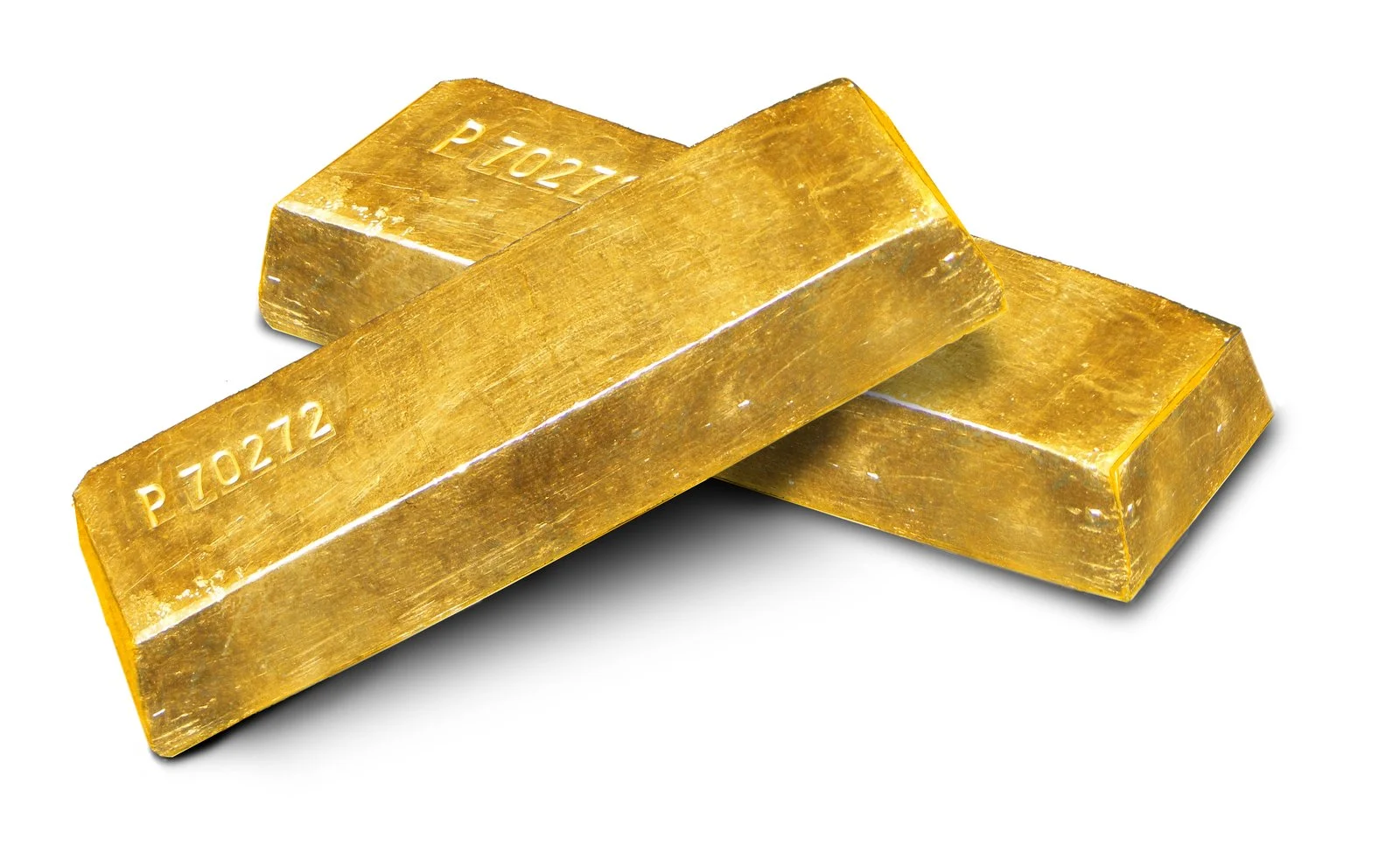
Canadian business news: Gold Nears $3,500 an ounce after touching $3,513.54 on Friday, but soaring costs are squeezing the Canadian miners who dig it out of the ground.
By Maplestime Business Desk | Toronto, Ontario | November 22, 2026
Sources: MINING.COM, Finimize, BBN Times | Last updated: November 22, 2026
Quick Answer: Gold Nears $3,500 an ounce after touching $3,513.54 on Friday, November 20, its lowest since September 2025, as bets on a December U.S. rate increase drove the slide. All-in sustaining costs rose 22 percent year over year, squeezing margins at Barrick and other Canadian producers.
Key Takeaways
- Gold touched $3,513.54 an ounce on Friday, November 20, its lowest since September 2025.
- CME FedWatch put the odds of a quarter-point December U.S. rate hike at 99 percent.
- All-in sustaining costs rose 22 percent year over year in the second quarter, the steepest rise since 2013, reaching $1,930 an ounce.
- Barrick realised $174 less for each ounce sold in the third quarter while its costs rose $45 to $1,911 an ounce.
- Global mine production hit a record 1,071 tonnes in the third quarter, with Canadian output up 22 percent.
What Happens When Gold Nears $3,500?
Bets on a December U.S. rate increase drove the slide. Minutes of the Federal Reserve’s October meeting, released Wednesday, showed nearly all officials expected further rate increases, and CME FedWatch put the odds of a quarter-point hike at 99 percent.
Ole Hansen, head of commodity strategy at Saxo Bank, wrote Friday that “bullion has become a source of cash for investors facing mounting losses elsewhere.” Gold ETF holdings tracked by Bloomberg were little changed over the past month despite the roughly 10 percent price drop, while the VanEck Gold Miners ETF closed Thursday at $72 in New York, 12 percent weaker than the previous Friday.
How Bad Is the Cost Squeeze for Miners?
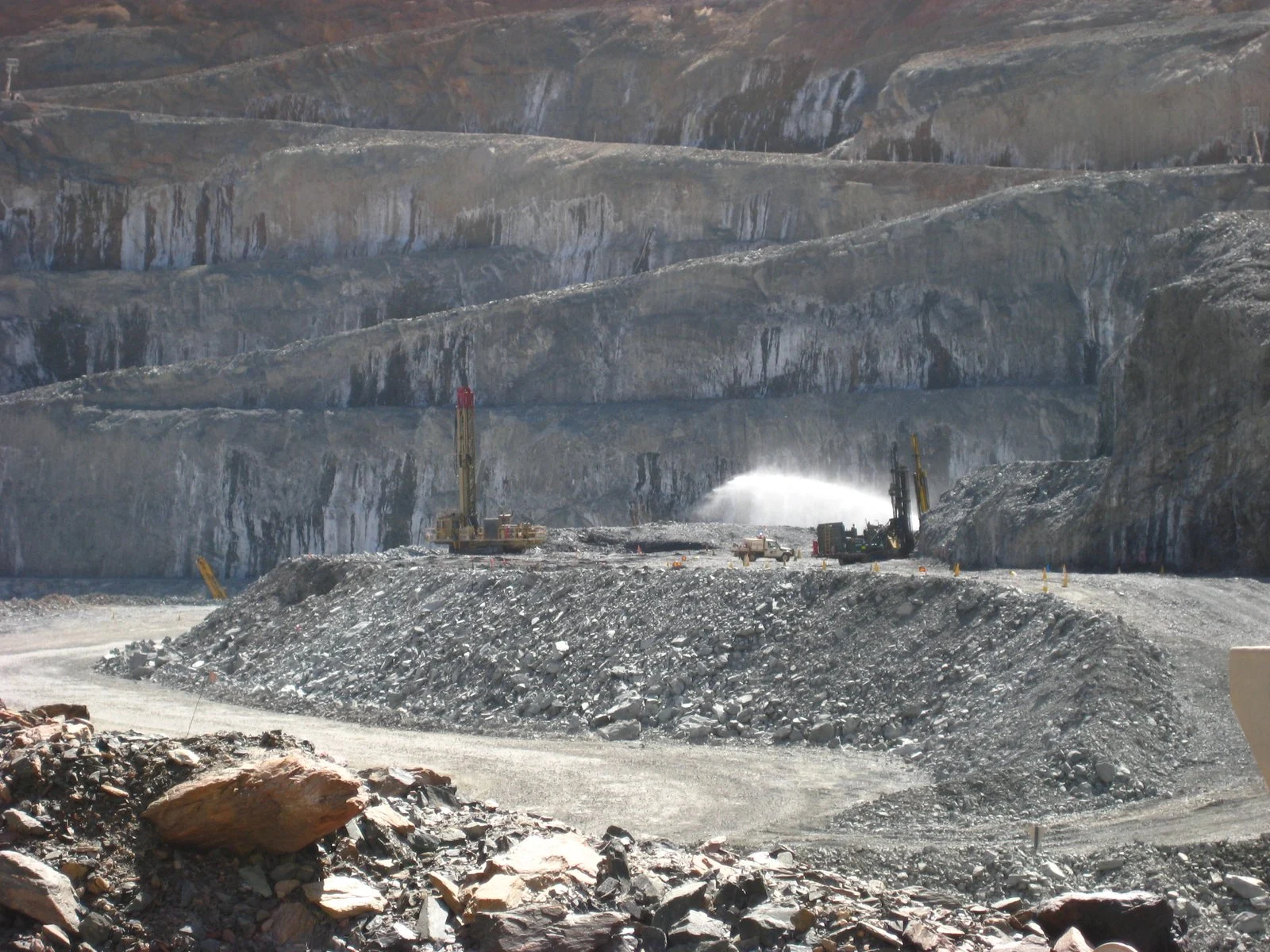
All-in sustaining costs rose 22 percent year over year in the second quarter, the steepest rise since 2013, according to the World Gold Council. Miners spent a record $441 per ounce, or C$631, on capital to sustain output, up 34 percent from the first quarter, accounting for about 80 percent of the quarterly rise in costs to $1,930 an ounce.
The margin above those costs fell 16 percent from the first quarter to $2,582 an ounce, still the second-highest margin Metals Focus has ever recorded. But costs are climbing far faster than the gold price, and every quarter of that trend eats into the cushion miners built during the record run.
What Does the Squeeze Mean for Barrick and Agnico Eagle?
Barrick Mining, listed on the TSX as ABX, shows the squeeze in plain numbers. It realised $174 less for each ounce sold in the third quarter while all-in sustaining costs rose $45 to $1,911 an ounce, and its margin narrowed $219 to $2,332 an ounce.
Agnico Eagle is taking a calmer line. Chief Financial Officer Jamie Porter, asked whether $3,500 gold would force project delays or exploration cuts, said: “So, really nothing changes at $3,500 gold. I’d suggest nothing changes at $3,000 gold.” The company expects capital spending above $3.5 billion next year, and its Detour Lake mine in Ontario accounted for $96 million of sustaining spending in the third quarter.
Is Canadian Production Still Growing?
Yes. Global mine production was 1,071 tonnes in the third quarter, up 3 percent year over year and a record for the quarter. New mines, including Goose in Nunavut, helped lift Canadian output 22 percent. B2Gold’s Goose mine sold 30,894 ounces in the third quarter, with costs down 25 percent to $4,816 an ounce, while B2Gold’s companywide average rose to $2,602 from $2,356.
More gold is coming out of the ground at exactly the moment it costs more to get it out. For Canadian producers, the next few quarters will decide whether $3,500 gold is still a licence to print money or the start of a harder grind.
Related: Gold Worst Week Since June 2026: Fed Rate-Hike Bets Crush Bullion
Frequently Asked Questions
How low did gold go on Friday?
It touched $3,513.54 an ounce, its lowest since September 2025, and traded at $3,576.25 at 9:59 a.m. in New York.
Why are gold miners struggling when gold is near $3,500?
Because all-in sustaining costs rose 22 percent year over year, the steepest rise since 2013, while the margin above those costs fell 16 percent from the first quarter.
Is Canadian gold production still growing?
Yes. Canadian output rose 22 percent in the third quarter, helped by new mines including Goose in Nunavut, while global mine production hit a record 1,071 tonnes.
Maplestime will provide updates from gold markets and Canadian miners as announcements are made.
Have a tip about gold markets and Canadian miners? Email [email protected]
Have a correction? Email [email protected]
Do you think gold near $3,500 is a buying opportunity for Canadians, or a warning that the miners’ cost crisis is only getting started? Tell us in the comments. And share this with every Canadian watching their savings and the markets this weekend.
Enjoying Maplestime? Support independent Canadian journalism — no paywall, no corporate owners.