




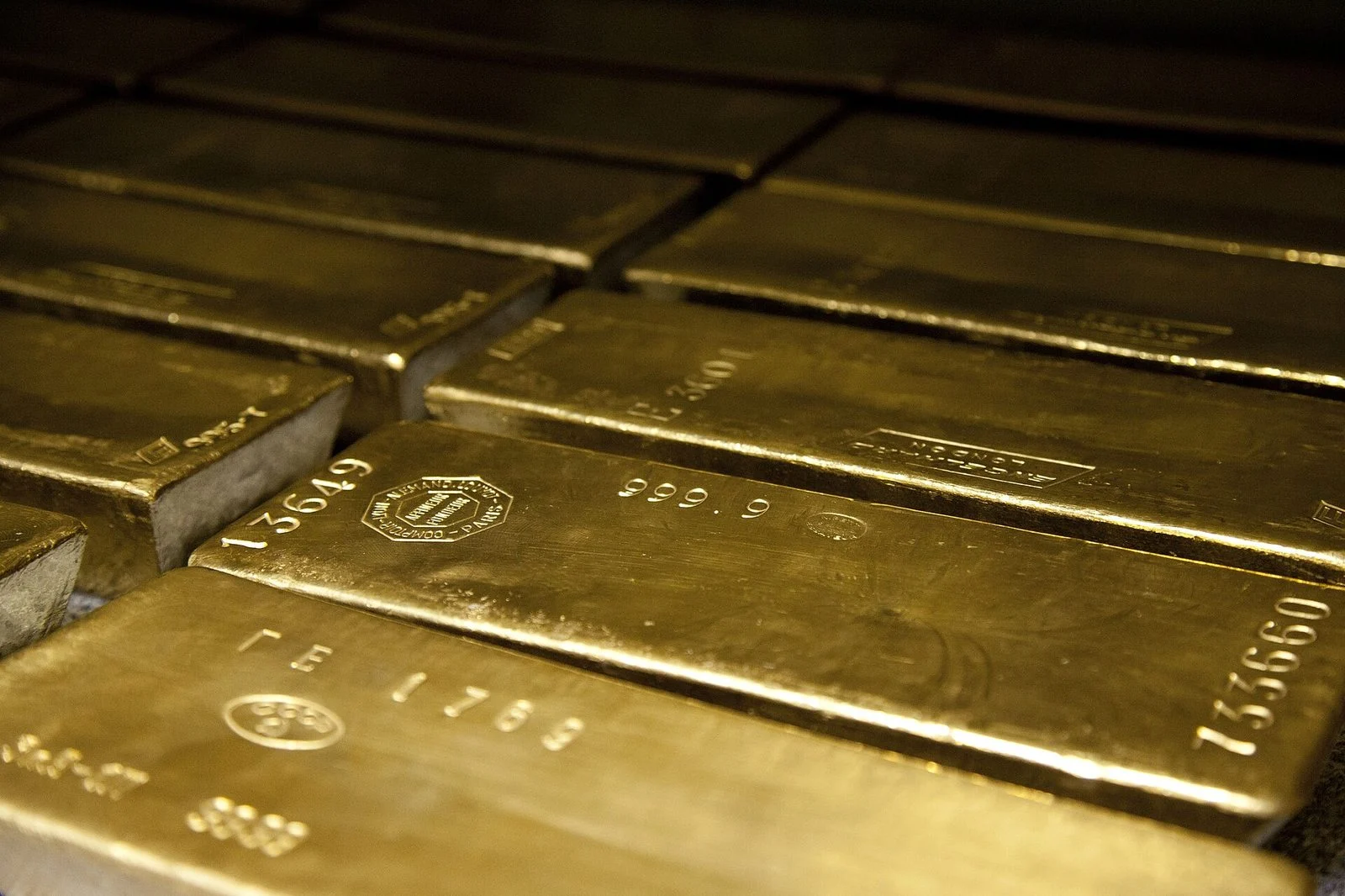
Canadian business news: the Gold Worst Week since June is now in the books, with bullion falling about 4.5 per cent to roughly US$3,880 an ounce as bets on a December rate hike from the U.S. Federal Reserve crushed prices and pushed the metal off its record highs.
By Maplestime Business Desk | Toronto, Ontario | November 15, 2026
Sources: Kitco News, Bloomberg, Investing.com, ForexInvestors | Last updated: November 15, 2026
Quick Answer: The Gold Worst Week since June ended with bullion down about 4.5 per cent to US$3,880 an ounce. Hot U.S. inflation data pushed traders to expect a December rate hike, while a stronger U.S. dollar and a 10 year Treasury yield above 5 per cent punished the metal. Silver fell 6.1 per cent on the week.
Key Takeaways
- The gold worst week since June saw spot gold fall about 4.5 per cent to roughly US$3,880 an ounce, its worst weekly drop since early June.
- Gold touched an intraday low of US$3,852.10 on Thursday after sliding 3 per cent in a single session.
- Traders now give a 91.4 per cent probability to a quarter point U.S. rate hike in December, according to CME FedWatch.
- In Canadian dollars, gold sat near C$5,542 an ounce on November 15, down 3.43 per cent over seven days.
- Silver had it worse, losing 6.1 per cent on the week to US$48.77 an ounce.
What caused the Gold Worst Week?
Hot U.S. inflation data set off the gold worst week. October U.S. consumer prices rose 0.4 per cent month over month, above expectations, and that single number changed the whole conversation around the Federal Reserve. The U.S. Producer Price Index for final demand rose 0.3 per cent in October, below the 0.4 per cent forecast in a Reuters poll, but that came after an upwardly revised 1.4 per cent surge in September, so nobody in the market was in a mood to forgive the miss.
Fed Governor Christopher Waller added fuel this week when he said he would back a rate hike even if inflation data had been cooler, and that a 50 basis point move could be warranted if the data runs hot. Futures markets now assign a 91.4 per cent probability to a quarter point U.S. rate hike in December, down slightly from 96.2 per cent before the producer price data, while the odds of a larger 50 basis point move fell to 8.6 per cent from 13.8 per cent.
The U.S. dollar index gained 1.1 per cent on the week and the U.S. 10 year Treasury yield moved above 5 per cent. Both are headwinds for gold, which pays no yield and gets more expensive for buyers holding other currencies when the dollar strengthens.
Related: RBC Says October Inflation Hit 3% and a December Rate Hike Is Coming
How far did gold fall?
The numbers tell a brutal story. Spot gold was up 0.1 per cent at about US$3,879.71 in Friday afternoon trading, while December gold futures settled essentially flat at US$3,886.30. That small Friday bounce did almost nothing to repair the gold worst week. The week’s range ran from a Monday high of US$4,148.95 to Thursday’s low of US$3,852.10, a swing of nearly US$300 an ounce in five trading days.
For Canadians, the picture was only slightly softer. In Canadian dollars, gold was about C$5,542 an ounce on November 15, down 3.43 per cent over seven days and 6.07 per cent over 30 days. Anyone who bought near the top is now sitting on a real loss, and the speed of the fall is what has traders rattled.
Silver took an even bigger hit. Spot silver fell 2.58 per cent Friday to US$48.77 an ounce, down 6.1 per cent on the week and its lowest since November 2025. Platinum fell 0.4 per cent to US$1,512.03, while palladium climbed 2.1 per cent to US$1,014.74.
What comes next after the Gold Worst Week?
Independent analyst Tai Wong summed up the mood bluntly: “It’s been a tough week for gold, which may struggle to retake 4,000 with Fed hawks out in force.” That US$4,000 level is now the line in the sand. Gold spent weeks building above it, and losing it this fast has changed the tone from confident to cautious.
The December Fed meeting is the next big test. If inflation keeps running hot, the hawks get louder and gold stays under pressure. If the data cools, buyers may step back in. Either way, this week proved that gold’s record run was never going to be a straight line up, and Canadian investors holding bullion just got a sharp reminder of that.
Frequently Asked Questions
How much did gold fall this week? The gold worst week since June saw spot gold fall about 4.5 per cent to roughly US$3,880 an ounce, its worst weekly drop since early June.
Why did gold fall so sharply? Hot U.S. inflation data pushed traders to price in a near certain December rate hike from the Federal Reserve, and that repricing drove the gold worst week, while a stronger U.S. dollar and a 10 year Treasury yield above 5 per cent made non yielding bullion less attractive.
Is gold still up for the year? No. Gold futures are down about 10 per cent so far in 2026, and the metal sits well below its January record highs. It only recently traded above US$4,100 an ounce before Thursday’s slide.
Maplestime will provide updates from gold markets as announcements are made.
Have a tip about gold prices? Email [email protected]
Have a correction? Email [email protected]
Is this the end of gold’s record run, or just a healthy pullback before the next leg up? Tell us in the comments. And share this with every Canadian watching their savings and the cost of living this weekend.
Enjoying Maplestime? Support independent Canadian journalism — no paywall, no corporate owners.