

Ontario news — More than 9,000 people marched through downtown Toronto on Wednesday, September 23, in a thundering demand for Grassy Narrows Mercury Justice: shut down the Dryden Mill, pay fair compensation, and end sixty years of poisoned water in northern Ontario.
By Maplestime News Desk | Toronto, Ontario | September 27, 2026
Sources: RL News, Field and Shutter Press | Last updated: September 27, 2026
Key Takeaways
- Over 9,000 people marched from Grange Park to Queen’s Park in the River Run 2026 rally on September 23.
- The march was led by Asubpeeschoseewagong Netum Anishinabek (Grassy Narrows First Nation) and Wabaseemoong Independent Nations.
- Chief Sherry Ackabee demanded the Dryden Mill be shut down and fair compensation paid: “We shouldn’t have to beg for this.”
- A Dryden paper mill dumped roughly 9 tonnes of mercury into the English-Wabigoon river system in the 1960s and 1970s.
- Demands include fair compensation, an end to pollution and unwanted mining exploration, and the restoration of their way of life.
9,000 Strong in the Fight for Grassy Narrows Mercury Justice
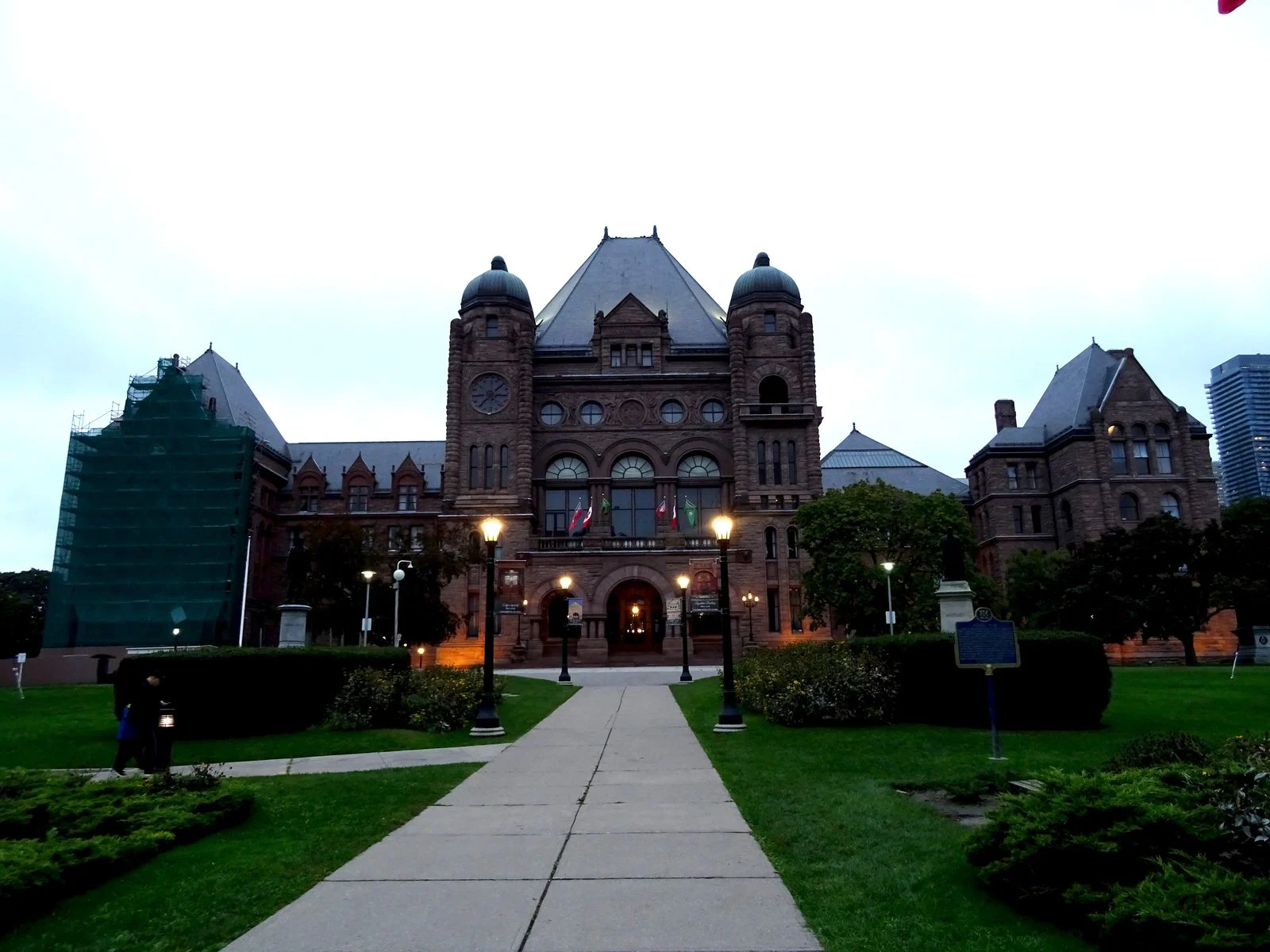
The numbers alone told the story. Crowds spilled out of Grange Park and filled the streets toward Queen’s Park, carrying banners and chanting through Toronto’s downtown core. The Ontario Green Party, Seniors for Climate Action Now, and OPSEU members marched alongside Indigenous leaders from both First Nations, and the message from the front of the rally was unmistakable: sixty years is enough.
This was not the first River Run, but organizers say it was the largest. People walked not only for Grassy Narrows but for the generations born into a river that still carries mercury from a mill that dumped it decades before many of them were born.
“We Shouldn’t Have To Beg For This”
Chief Sherry Ackabee did not mince words from the microphone. “We’re losing our people so quickly, both communities,” she told the crowd. “We shouldn’t have to beg for this.” Her demands were plain: “Shut down the Dryden Mill, and give us our compensation.”
Wabaseemoong councillor Glenn Cameron said letters to Premier Doug Ford and Kenora–Rainy River MPP Greg Rickford went unanswered, and he named what he believes is behind the silence: racism. Decades of government inaction while two First Nations communities live with tremors, memory loss, and motor damage, he argued, is not an oversight. It is a choice.
Sixty Years of Poison in the English-Wabigoon
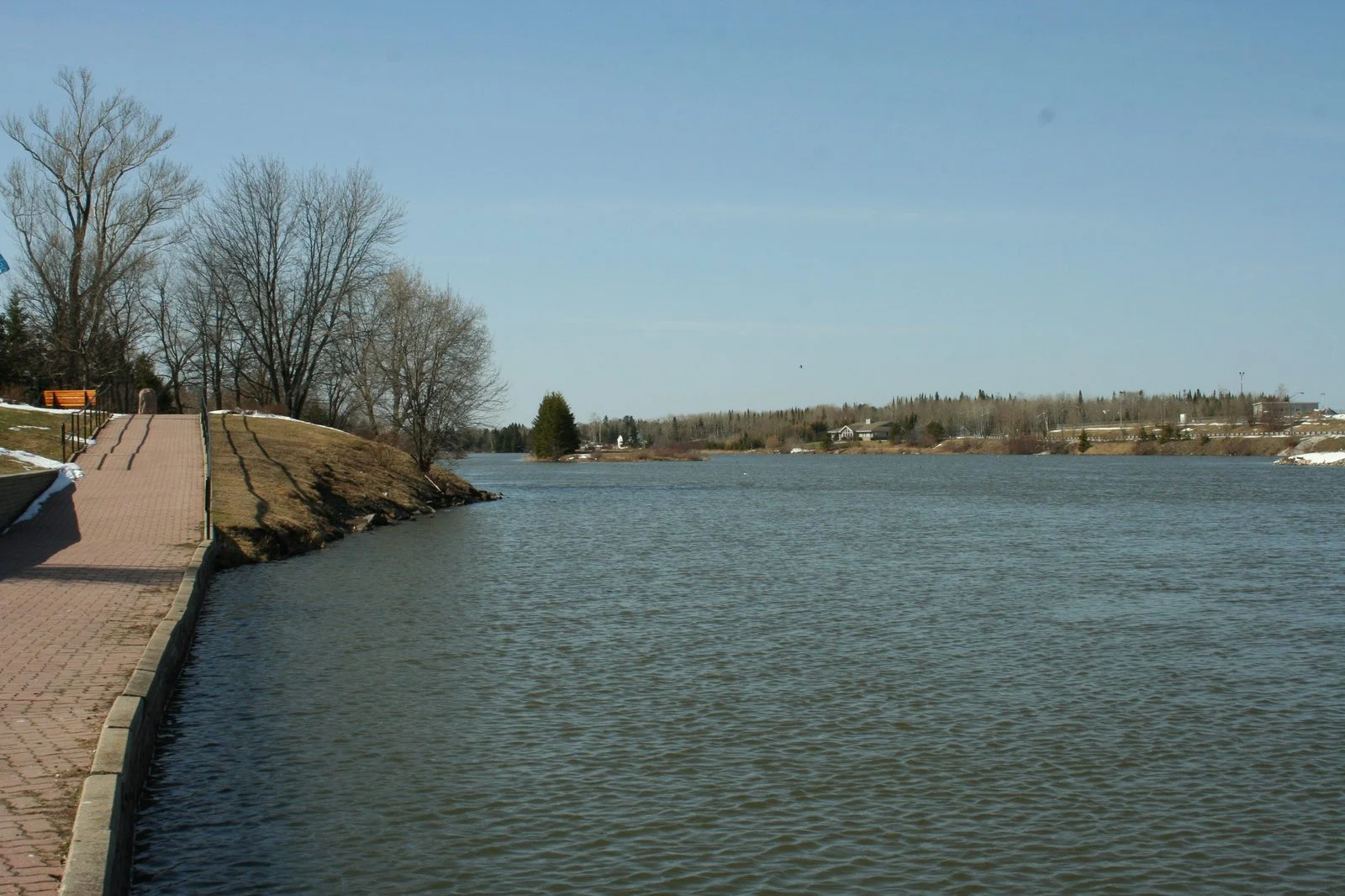
The root of the crisis is documented fact. A paper mill in Dryden dumped approximately 9 tonnes of mercury into the English-Wabigoon river system during the 1960s and 1970s. Roughly 90 per cent of Grassy Narrows’ population has been affected by mercury exposure. The fish that sustained the Anishinaabe way of life became unsafe. Children grew up watching their elders’ hands shake.
Successive governments have studied the contamination for decades. Compensation that was won took years to arrive and has been called inadequate by the communities. Meanwhile, the mill in Dryden has continued operating, and mining exploration has pressed ahead against the wishes of the nations whose land it is.
What Happens Next
The demands from Wednesday’s march go beyond money. The communities want the pollution stopped at its source, mining exploration halted where it is not welcome, and their way of life restored so young people can fish and live from the river again. With 9,000 people behind them on the streets of Toronto, Grassy Narrows and Wabaseemoong have made it far harder for Queen’s Park to look away.
Maplestime will provide updates on the Grassy Narrows mercury justice campaign as announcements are made.
Have a tip about this story? Email [email protected]
Have a correction? Email [email protected]
Is this the moment Doug Ford finally shuts down the Dryden Mill — or will another generation of Grassy Narrows children grow up with poison in the water? Tell us in the comments. And share this with every Canadian who believes nine thousand marchers deserve an answer.
Enjoying Maplestime? Support independent Canadian journalism — no paywall, no corporate owners.