




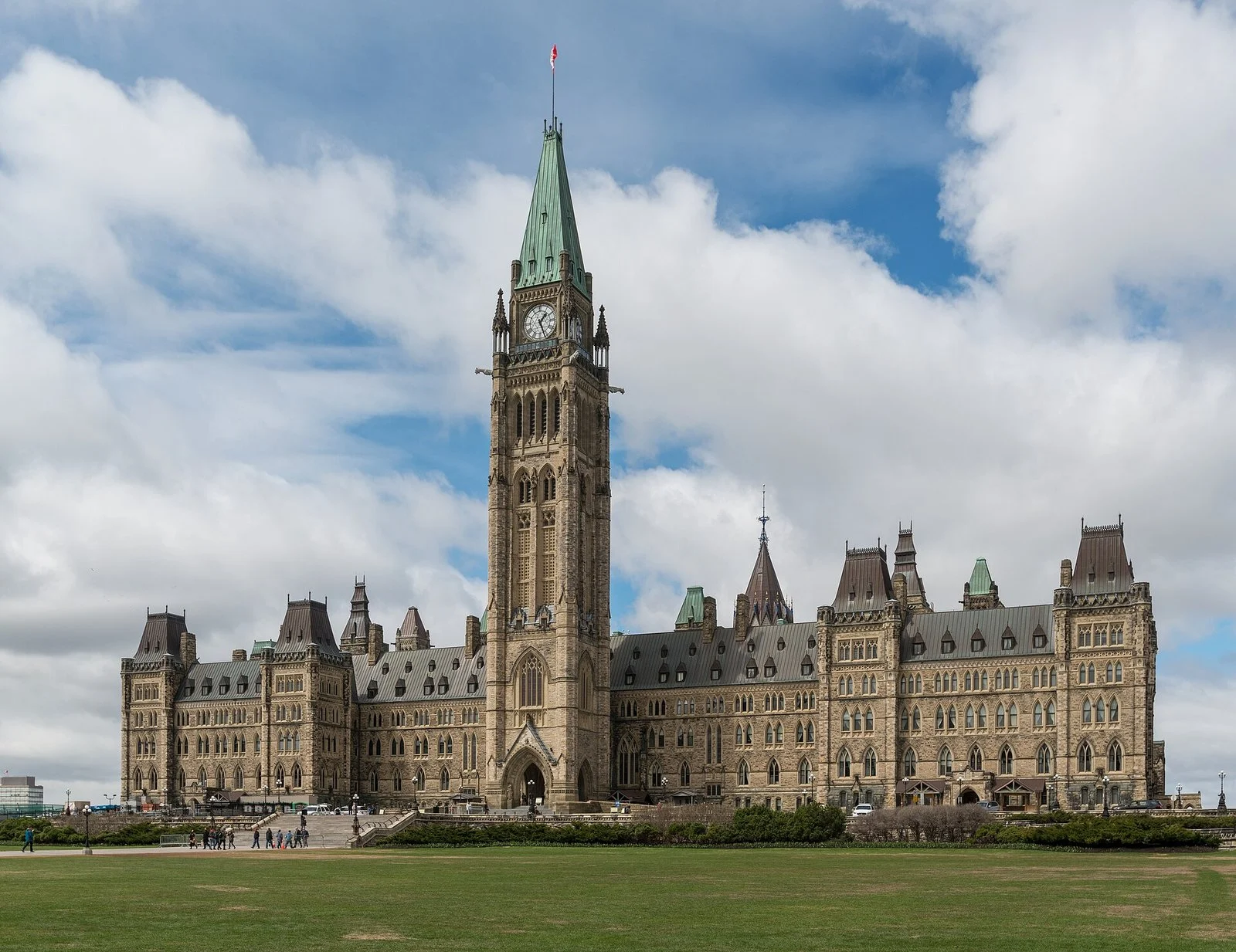
Ottawa news: Immigration Minister Lena Metlege Diab and Conservative critic Michelle Rempel Garner traded sharp blows in the House of Commons this week over Canada’s Immigration Levels Plan, and the fight is really about who counts as a newcomer in 2027.
By Maplestime Immigration Desk | Ottawa, Ontario | November 21, 2026
Sources: UL Lawyers, Global News | Last updated: November 21, 2026
Quick Answer: The Immigration Levels Plan sets permanent resident admissions at 380,000 a year for 2027, 2028 and 2029, plus a one-time move of up to 200,000 temporary residents already in Canada to permanent residence in 2027. Diab says most of next year’s new permanent residents already live, work and pay taxes here. Rempel Garner says the total is too high.
Key Takeaways
- The Immigration Levels Plan sets 380,000 permanent resident admissions a year for 2027, 2028 and 2029, with 370,000 new temporary resident arrivals a year.
- A one-time 2027 measure sits on top of the 380,000 target: up to 200,000 temporary residents already in Canada move to permanent residence, in two cohorts of up to 100,000.
- Rempel Garner says the plan brings in close to a million people next year and will overwhelm housing and health care she calls already stretched.
- Diab says most people who become permanent residents next year already live in Canada on temporary status, work and pay taxes.
- Windsor, Ontario leads Rempel Garner’s gender-ratio argument: 127 young men for every 100 young women among young adults in the city.
What does the Immigration Levels Plan actually do?
The plan was published with Budget 2026 on November 5, 2026. It holds permanent resident admissions steady at 380,000 a year for 2027, 2028 and 2029, and sets 370,000 new temporary resident arrivals a year. The extra piece driving two days of Question Period exchanges: up to 200,000 temporary residents already in Canada move to permanent residence in 2027 alone, in two cohorts of up to 100,000, one for workers and one for humanitarian and family cases.
That split is the whole argument. Diab says the Immigration Levels Plan is mostly about people who are already here. Rempel Garner says the total is still close to a million in a single year.
Related: Diab Defends Immigration Levels Plan: 200,000 Net Gain Claim Meets Hard Questions
Why is Rempel Garner calling the numbers too high?
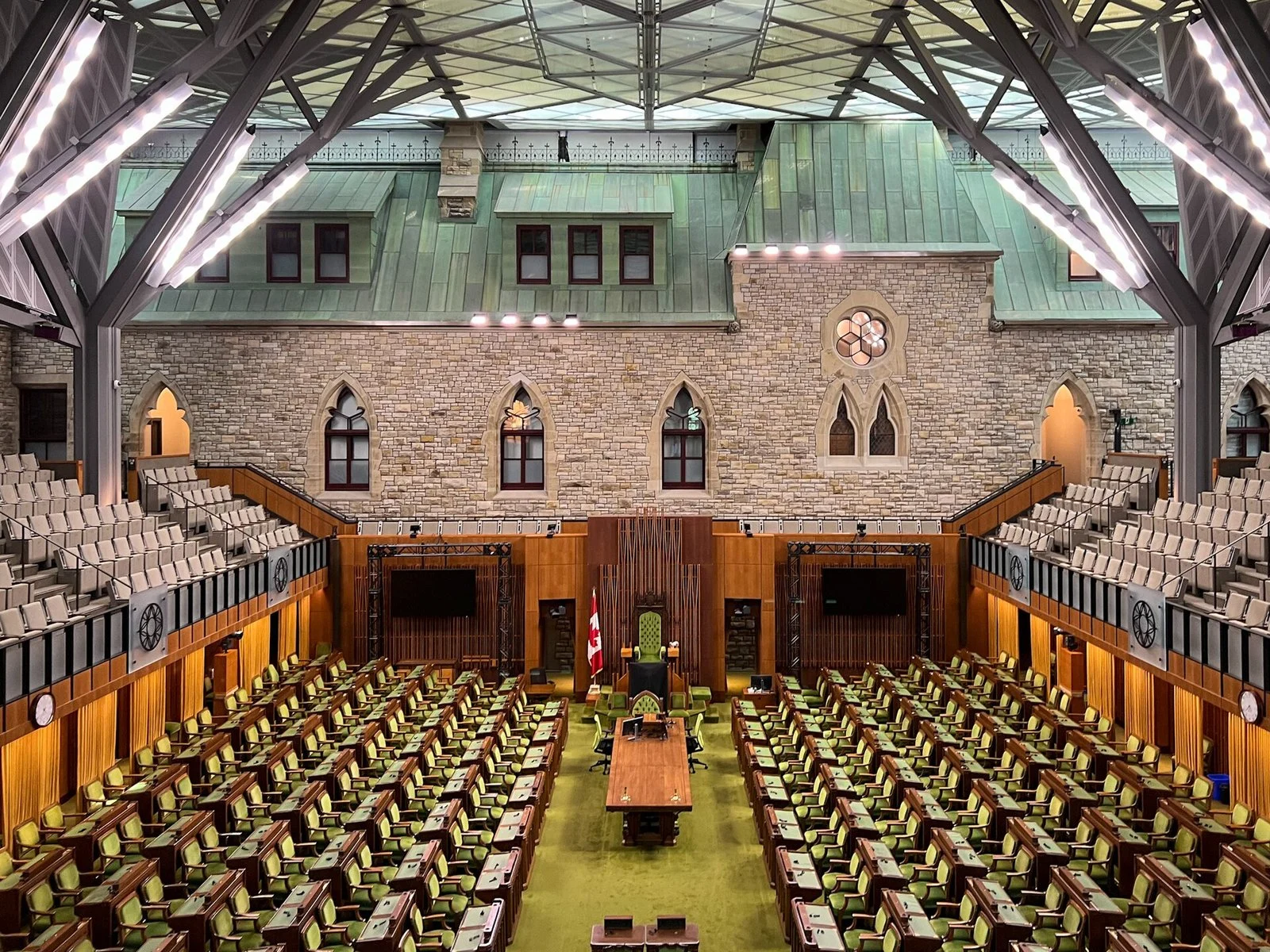
In Question Period on Wednesday, November 18, Rempel Garner, the Conservative immigration critic and MP for Calgary Nose Hill, argued that bringing in what she called close to a million new people next year would overwhelm housing and health care systems she described as already stretched. Before Question Period, she wrote on social media that Prime Minister Mark Carney had announced the highest level of permanent immigration in Canadian history and had tried to hide it.
Diab pushed back in the House and later posted a video of her response on X. Her point was plain: most people who will become permanent residents next year already live in Canada on temporary status. They work and pay taxes, including daycare workers, home care workers and hospital staff. In her telling, the plan does not import a million strangers. It gives permanent status to neighbours who are already part of the country.
What is the Windsor number about?
The debate sharpened on Thursday, November 19. Rempel Garner cited Statistics Canada data showing young men aged 18 to 34 now vastly outnumber young women in 40 of Canada’s 41 biggest cities. Windsor, Ontario is her lead example: 127 men for every 100 women among young adults in Windsor.
Her question to Diab was direct: “Statistics Canada data shows young men aged 18 to 34 now vastly outnumber young women in 40 of Canada’s 41 biggest cities. In Windsor, it’s 127 men for every 100 women. That ratio is worse than China’s gender imbalance after their one child policy. Meanwhile, youth unemployment is at record high levels. … Can the immigration minister explain why she’s allowed this massive gender imbalance to happen here?” House Speaker Francis Scarpaleggia managed both exchanges.
How did Diab answer?
Diab did not dispute the Windsor figures. “My department looks at gender balance analysis. But let me tell you this, our immigration levels plan is predictable, sustainable and balanced and right for Canada,” she said. She added that the business council of Rempel Garner’s own province welcomed the plan, the budget carries measures supporting youth employment, and RBC Economics forecasts that modest population growth will help housing affordability.
What does this mean for Ontario newcomers?
The Ontario angle is where the plan lands hardest. Many temporary residents live in Mississauga, Brampton and Toronto, so the split between new arrivals and people already in Canada matters most to GTA newcomers. If Diab is right, thousands already renting, working and raising children in the GTA will finally get permanent status in 2027. If Rempel Garner is right, the same year piles new demand onto housing and health care where both are already tight.
Read more: Home Care Worker Pilots still closed with no reopening date in sight and Early childhood educators exempt from foreign worker freeze in high-unemployment cities.
Frequently Asked Questions
How many permanent residents will Canada admit in 2027?
The Immigration Levels Plan sets 380,000 permanent resident admissions for 2027, plus a one-time move of up to 200,000 temporary residents already in Canada to permanent residence in the same year.
Are the extra 200,000 people new arrivals?
No. The one-time measure covers temporary residents already living in Canada, in two cohorts of up to 100,000: workers, and humanitarian and family cases.
When was the plan published?
The 2027 to 2029 Immigration Levels Plan was published with Budget 2026 on November 5, 2026.
Maplestime will provide updates from Canada’s Immigration Levels Plan as announcements are made.
Have a tip about Canada’s Immigration Levels Plan? Email [email protected]
Have a correction? Email [email protected]
Do you think the Immigration Levels Plan gets the balance right, or is Ottawa counting people who are already here to make the numbers look smaller? Tell us in the comments. And share this with every Canadian following the immigration debate this weekend.
Enjoying Maplestime? Support independent Canadian journalism — no paywall, no corporate owners.