


Manitoba news. The First Nations tuberculosis Manitoba program takes a historic turn this week as Keewatinohk Inniniw Minoayawin launches a First Nations-led public health unit and takes tuberculosis services over from the Winnipeg Regional Health Authority, starting with 11 First Nations.
By Maplestime Manitoba Desk | Winnipeg, Manitoba | November 19, 2026
Sources: Keewatinohk Inniniw Minoayawin, CBC News Manitoba | Last updated: November 19, 2026
Quick Answer: The First Nations tuberculosis Manitoba transfer began November 16, 2026, when KIM took over TB services for 11 First Nations from the Winnipeg Regional Health Authority. Nine more Nations join in spring 2027, and all 57 First Nations across Manitoba follow by summer 2027.
Key Takeaways
- Keewatinohk Inniniw Minoayawin Inc. (KIM) launched its First Nations-led Public Health Unit on November 18, 2026, taking tuberculosis services over from the Winnipeg Regional Health Authority.
- The first phase began November 16, 2026, covering 11 First Nations, including Berens River, Little Grand Rapids, Manto Sipi, Opaskwayak, Poplar River and York Factory.
- Nine more First Nations join in spring 2027, and all 57 First Nations across Manitoba are covered by summer 2027.
- In 2023, the TB rate among First Nations people was more than 45 times higher than among Canadian-born non-Indigenous people, according to the Public Health Agency of Canada.
- In 2024, the TB rate in Manitoba’s Northern Health Region was more than eight times the provincial rate.
What is the First Nations tuberculosis Manitoba plan?
KIM is marking a major milestone in First Nations health transformation with the launch of its First Nations-led Public Health Unit, beginning with the transfer of tuberculosis services from the Winnipeg Regional Health Authority. Guided by First Nations leadership and supported by Indigenous Services Canada, the unit will focus on preventing TB, identifying and treating TB infection, diagnosing and treating active TB, and expanding contact tracing to find people who may have been exposed. Finding and treating infection earlier can interrupt transmission and help reach the long term goal of eliminating TB.
Chief David Monias of Pimicikamak Okimawin, chair of the Keewatinohk Inniniw Okimowin Council, said the transition is an important step toward greater First Nations control over health care. “Our people deserve health care that is accessible, culturally grounded and delivered by people who understand our communities. This transition is more than a change in service delivery; it is a step toward First Nations taking greater control of our own health and well-being. By bringing services closer to our people, strengthening community capacity and working together, we can build healthier communities and protect future generations. Our people must always be at the centre of the decisions that affect their health and lives,” said Monias.
Which First Nations are first in the First Nations tuberculosis Manitoba transfer?
The first phase began November 16, 2026, and includes 11 First Nations: Berens River, Little Grand Rapids, Manto Sipi Cree Nation, Northlands Denesuline, Opaskwayak Cree Nation, Poplar River, Sandy Bay, Sapotaweyak Cree Nation, Tataskweyak Cree Nation, Wuskwi Sipihk and York Factory. Additional Nations will transition in phases as KIM works with First Nations and partners to support a safe and coordinated transfer of care.
The First Nations tuberculosis Manitoba rollout is ambitious on timing. In spring 2027, KIM plans to expand TB services to an additional nine First Nations while strengthening contact tracing, investigations, diagnostic services and regional capacity to deploy staff. By summer 2027, the plan is to reach all remaining First Nations while building capacity to lead communicable disease outbreak responses, including complex investigations across jurisdictions and ongoing disease surveillance.
Related: Manitoba And Treaty One Launch $1.25 Million Grants For First Nations Women Entrepreneurs
Why does TB hit First Nations communities so hard?
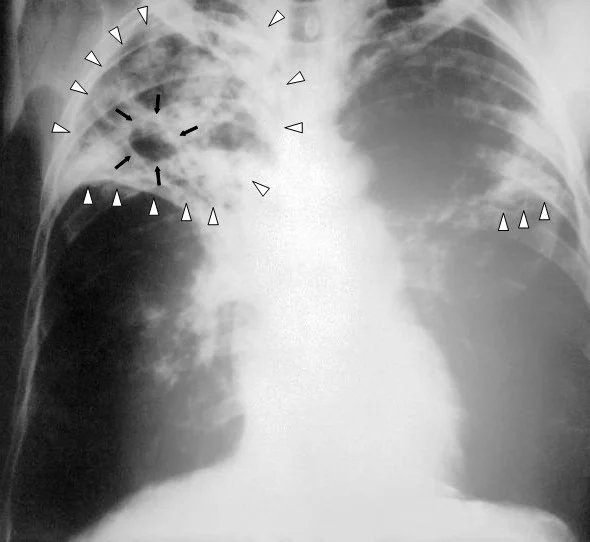
The First Nations tuberculosis Manitoba numbers explain why this transfer matters so much. According to data published by the Public Health Agency of Canada, the rate of TB among First Nations people in 2023 was more than 45 times higher than among Canadian-born non-Indigenous people in jurisdictions with available data. In 2024, the rate of TB in Manitoba’s Northern Health Region was more than eight times the provincial rate.
KIM CEO Michelle Monkman said moving the service alone will not fix that gap. “Transferring services alone will not address the longstanding health inequities experienced by First Nations; we must also change how care is designed and delivered. Through KIM Public Health, we are bringing care closer to home and growing a First Nations health workforce. While we are beginning with TB, our vision is to build a comprehensive First Nations-led public health system that supports healthier generations to come,” said Monkman.
What changes for patients on the ground?
Under the First Nations tuberculosis Manitoba transfer, KIM’s model of care brings public health nurses together with community-based diagnostic support workers, trained members of the First Nations where they work. Drawing on local knowledge, relationships, language and culture, they will provide direct, on-the-ground support to help individuals and families access care, attend appointments, complete treatment and overcome barriers, particularly in northern and remote Nations.
Federal Minister of Indigenous Services Mandy Gull-Masty welcomed the launch. “Collaborating with partners like Keewatinohk Inniniw Minoayawin Inc. (KIM) is a priority for Indigenous Services Canada. Supporting First Nations’ vision for the health of their communities, through partnerships with First Nations led health organizations, is an essential step of health transformation. KIM’s innovative model to deliver tuberculosis (TB) case management to on-reserve community members for First Nations in Manitoba will increase health care providers on the ground in First Nation communities. Congratulations to KIM!” said Gull-Masty.
The Winnipeg Regional Health Authority, which ran the services until now, says it worked collaboratively with KIM over the last several months to transition the care of people living with TB in First Nations communities. “We recognize this initiative represents an opportunity to support meaningful reconciliation by empowering First Nations leadership to design services that directly affect their communities,” said Bria Foster, executive director of Health Services, Community Health Services with the Winnipeg Regional Health Authority.
Frequently Asked Questions
When did KIM take over tuberculosis services?
The first phase of the First Nations tuberculosis Manitoba transfer began November 16, 2026, and the First Nations-led Public Health Unit was formally launched November 18, 2026.
Which First Nations are covered first in the First Nations tuberculosis Manitoba transfer?
Eleven First Nations: Berens River, Little Grand Rapids, Manto Sipi Cree Nation, Northlands Denesuline, Opaskwayak Cree Nation, Poplar River, Sandy Bay, Sapotaweyak Cree Nation, Tataskweyak Cree Nation, Wuskwi Sipihk and York Factory.
When will all Manitoba First Nations be covered?
Under the First Nations tuberculosis Manitoba plan, KIM will add nine more First Nations in spring 2027 and reach all 57 First Nations across Manitoba by summer 2027.

Maplestime will provide updates from Keewatinohk Inniniw Minoayawin as announcements are made.
Have a tip about the First Nations tuberculosis Manitoba transfer? Email [email protected]
Have a correction? Email [email protected]
Will the First Nations tuberculosis Manitoba transfer finally close a gap that has run 45 times wide, or will the same old shortages follow the new unit north? Tell us in the comments. And share this with every Manitoban who believes health care should be designed by the communities it serves.
Enjoying Maplestime? Support independent Canadian journalism — no paywall, no corporate owners.