




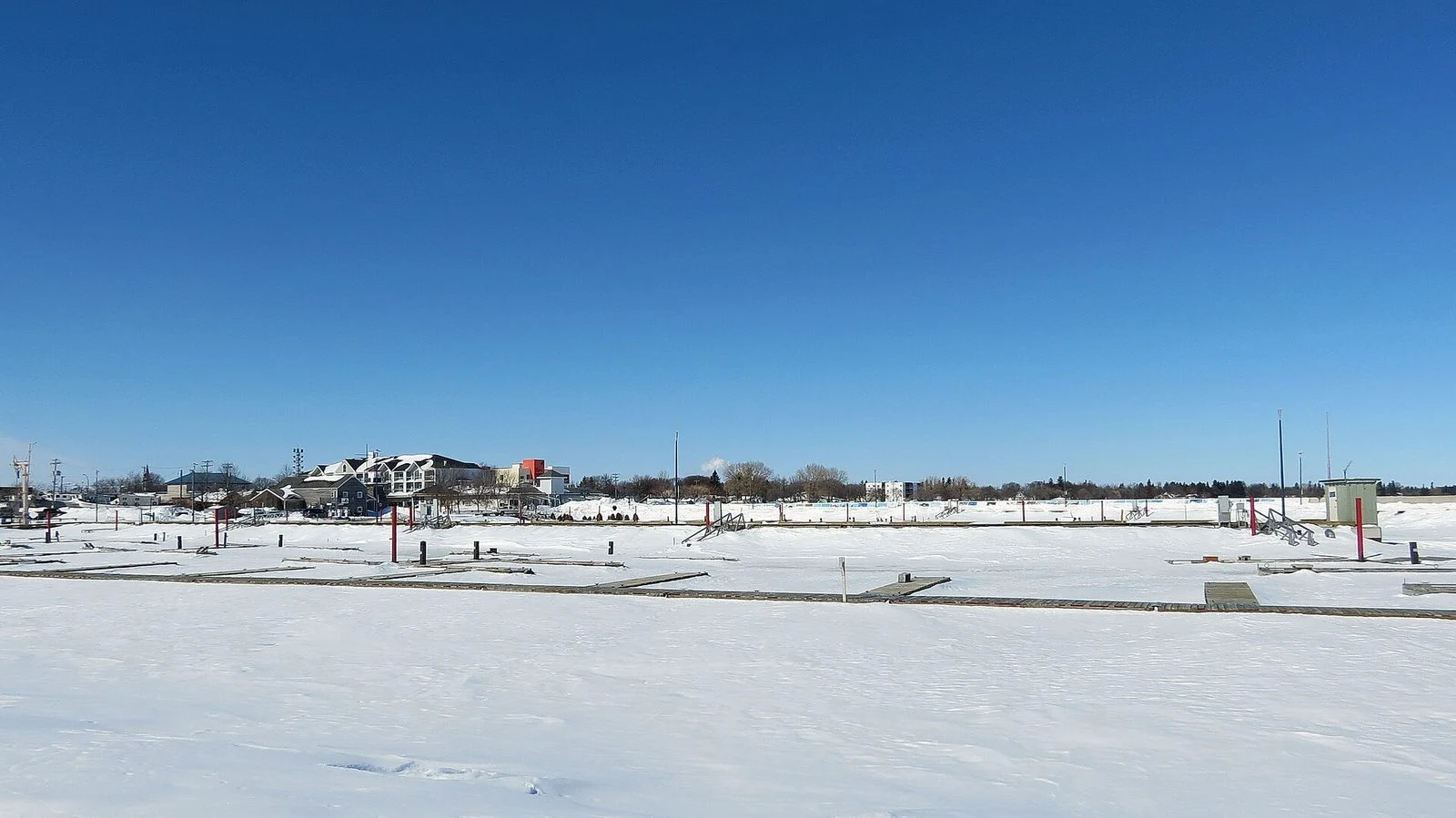
Manitoba news: the Lake Winnipeg Stewardship Advisory Group now has its people, its chair, and its deadlines, and the question is whether a 16-member advisory body can do what decades of reports about this lake have not: cut the nutrients feeding its algae blooms.
By Maplestime News Desk | Winnipeg, Manitoba | November 19, 2026
Sources: Province of Manitoba, Prairie Hog Country | Last updated: November 19, 2026
Quick Answer: The Lake Winnipeg Stewardship Advisory Group was named on November 18, 2026, with Dwight Williamson as chair and 15 other members. The group will guide action to reduce nitrogen and phosphorus entering Lake Winnipeg and help Manitoba meet nutrient targets. An interim report is due in March 2027 and a final report in March 2028.
Key Takeaways
- Environment and Climate Change Minister Mike Moyes announced the 16-member group’s membership on November 18, 2026.
- Dwight Williamson chairs the group and previously served on the former Lake Winnipeg Stewardship Board.
- The mandate is to guide action to reduce nitrogen and phosphorus loading and meet targets under the Nutrient Targets Regulation.
- An interim progress report is due to the minister in March 2027, and the final report in March 2028.
- The group was formed in spring 2026, and Manitoba Pork says it asked for the group to be established.
Who sits on the Lake Winnipeg Stewardship Advisory Group?
Sixteen people in total, counting the chair. Alongside Dwight Williamson, the members are Allison Zacharias, Amanda Karst, Chelsea Lobson, Cynthia Wiebe, Darshani Kumaragamage, Elliott Brown, Grant Melnychuk of Manitoba Pork, Jill Verwey, Karen Scott, Larry Johannson, Loretta Mowatt, Michael Paterson, Phoenix Combe, Shannon Pyziak, and Ute Holweger, who serves ex officio. The mix spans researchers, farm groups, and water experts, which is the point. A lake this big does not have one cause and one fix.
Williamson brings history to the job. He served on the former Lake Winnipeg Stewardship Board, so he knows where the last round of advice landed and where it stalled. “I am very much looking forward to working with my colleagues on the Lake Winnipeg Stewardship Advisory Group as we assist government with its important work to protect and restore the health of Lake Winnipeg,” he said. “This will benefit the lake itself, our generation and future generations of Manitobans.”
Related: Coast Guard Gimli Station Closes November 17, Lake Winnipeg Season Wraps After 17 Rescues
What is the Lake Winnipeg Stewardship Advisory Group supposed to do?
The job is narrower than saving the lake and harder than writing a report. The group will provide guidance to help protect and strengthen the health of Lake Winnipeg, with a focus on long-term efforts to reduce nitrogen and phosphorus loading. Its work supports Manitoba in reaching the nutrient-reduction targets set under the Nutrient Targets Regulation under the Water Protection Act.
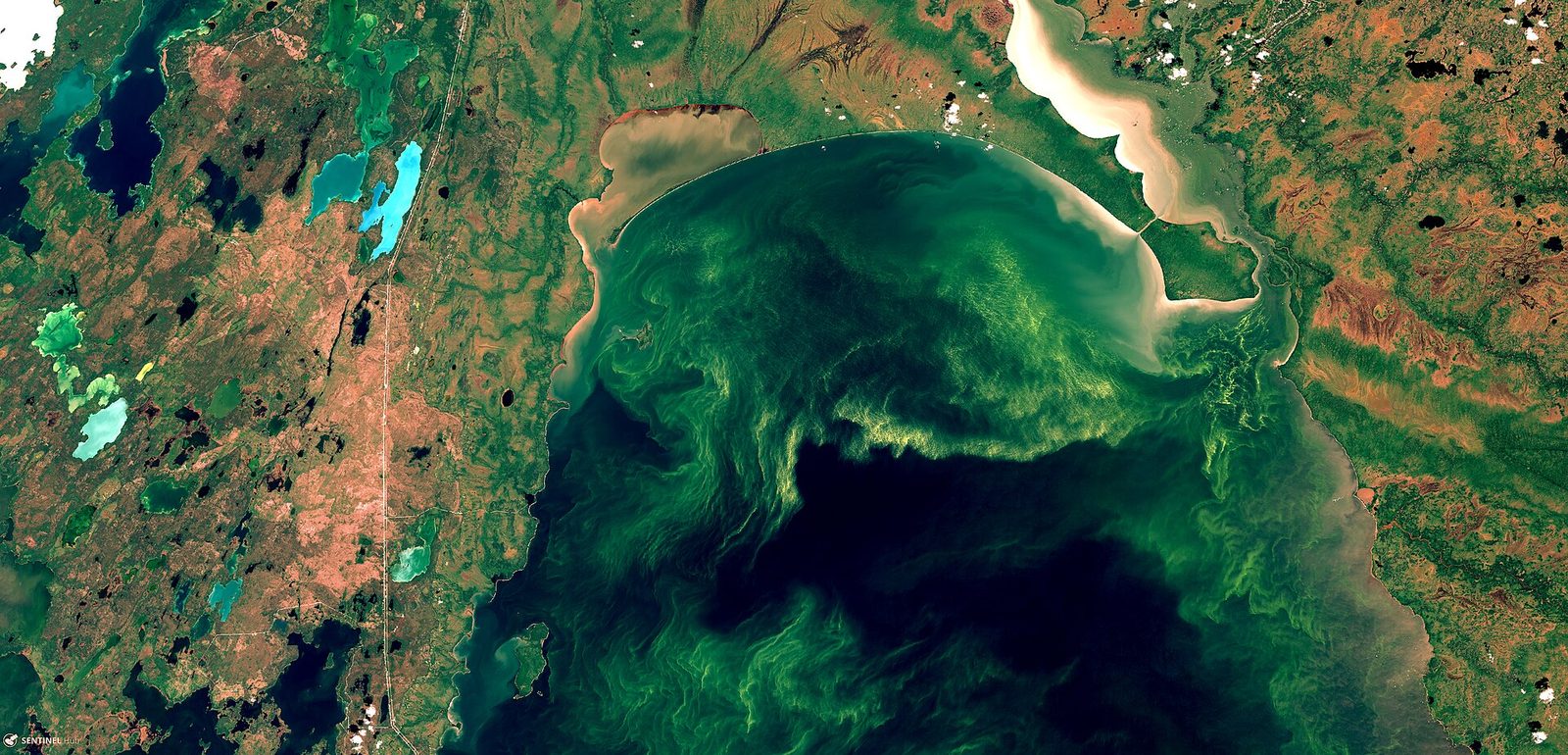
Those nutrients are the fuel for the green algae blooms that have become the lake’s most visible symptom, turning wide stretches of water bright green in summer satellite photos. The watershed feeding the lake covers parts of four Canadian provinces and three American states, so Manitoba cannot fix this alone, but it can decide what happens on its own side of the line. That is where this group has to earn its keep: naming the sources, ranking the fixes, and saying what the science actually supports.
Why does the farm sector have a seat at the table?
Because the farm sector asked for one, and because it is part of the nutrient story whether it likes it or not. Manitoba Pork says it requested the establishment of the advisory group, arguing that discussion and future regulations about Lake Winnipeg should rest on scientific evidence rather than assumptions. Grant Melnychuk, Manitoba Pork’s director of sustainable development, research and data management, holds one of the seats.
Manitoba Pork has supported Lake Winnipeg research for more than 15 years, including work by the Lake Winnipeg Research Consortium, whose researchers sample water at 65 sites across the lake. The industry points to Statistics Canada data showing more than 90 percent of manure in Manitoba is injected into the soil or incorporated immediately after application, the highest rate among Canadian provinces. Critics will say that is not the whole story, and they have a point. Manure is one source among many, including city sewage and urban runoff. A group that only listens to one side will produce advice nobody trusts, so the test of this membership list is whether the farm voice and the science voices can agree on what the numbers actually say.
When will Manitobans see results?
Not soon, and the province is not pretending otherwise. The interim progress report goes to the minister in March 2027, and the final report lands in March 2028. That is a long runway, and it invites a fair question: is this a serious plan or a way to look busy while the lake turns green again next summer?
Minister Moyes framed it as a shared duty. “Manitobans care deeply about water and the health of our lakes and rivers. We have a responsibility to improve the health of Lake Winnipeg and preserve it for generations to come,” he said. “This advisory body was established to help advance long-term efforts to reduce nitrogen and phosphorus loading to Lake Winnipeg.” The words are right. The proof will be in the Lake Winnipeg Stewardship Advisory Group March 2027 report, and whether it names real cuts, real timelines, and real money, or just more process.
Frequently Asked Questions
What is the Lake Winnipeg Stewardship Advisory Group?
It is a 16-member advisory body formed in spring 2026 to guide Manitoba’s action to reduce nitrogen and phosphorus entering Lake Winnipeg and help the province meet nutrient-reduction targets.
Who chairs the group?
Dwight Williamson, who previously served on the former Lake Winnipeg Stewardship Board. Environment and Climate Change Minister Mike Moyes announced the membership on November 18, 2026.
When are the group’s reports due?
An interim progress report is due to the minister in March 2027, and the final report is due in March 2028.
Maplestime will provide updates from Lake Winnipeg and Manitoba water protection as announcements are made.
Have a tip about Lake Winnipeg? Email [email protected]
Have a correction? Email [email protected]
Will this advisory group finally cut the nutrients choking Lake Winnipeg, or is it another report that gathers dust while the algae blooms? Tell us in the comments. And share this with every Manitoban who fishes, swims, or drinks from this lake.
Enjoying Maplestime? Support independent Canadian journalism — no paywall, no corporate owners.