



Canadian business news — the Metro Q4 profit Laval strike bill has landed, and it is ugly: $97 million after tax for the year, a 7% drop in fourth-quarter profit, and a grocer that admits it lost shoppers it now has to win back.
By Maplestime Business Desk | Montreal, Quebec | November 19, 2026
Sources: Metro Inc., Canadian Grocer, CCentral | Last updated: November 19, 2026
Quick Answer: Metro Q4 profit Laval strike damage is now clear: net earnings fell 7% to $201.9 million in the fourth quarter, and the six-month Laval stoppage cost $97 million after tax for fiscal 2026. Food same-store sales fell 1.9%, pharmacy sales rose 5.5%, and CEO Marc Giroux says winning back shoppers is now the priority.
Key Takeaways:
- Metro reported fourth-quarter net earnings of $201.9 million, down 7.0% from $217.0 million a year earlier, on sales of $5,179.5 million, up 1.4%.
- Adjusted net earnings fell 18.0% to $201.8 million, and diluted earnings per share slipped to $0.97 from $1.00.
- The six-month labour conflict at the Laval produce distribution centre cost an estimated $31 million after tax in the quarter and $97 million after tax for fiscal 2026.
- Food same-store sales fell 1.9% as the strike hit freshness and assortment, while pharmacy same-store sales rose 5.5%, with prescriptions up 6.5%.
- CEO Marc Giroux said Metro lost market share during the strike and food same-store sales remain negative into the first quarter of fiscal 2027, with signs of improvement.
How Bad Was the Quarter?
The headline numbers tell the story plainly. Metro’s fourth quarter of fiscal 2026, which ended September 26, produced net earnings of $201.9 million, down 7.0% from $217.0 million in the same quarter last year. Adjusted net earnings, which strip out one-time items, fell harder, down 18.0% to $201.8 million from $246.0 million. Diluted earnings per share came in at $0.97, down from $1.00.
Sales still grew, which is the part Metro will point to. Fourth-quarter sales were $5,179.5 million, up 1.4% year over year, helped by new store openings. But the mix underneath was lopsided. Food same-store sales fell 1.9%, a direct hit from the strike, while pharmacy same-store sales rose 5.5%, driven by a 6.5% increase in prescription drug sales and a 3.1% rise in front-store sales.
For the full fiscal year, sales totalled $22,548.7 million, up 2.5%, while net earnings fell 13.1% to $886.1 million from $1,019.5 million. Gross margin narrowed to 19.2% in the quarter from 20.0% a year earlier, and to 19.4% for the year from 19.9%. That is what six months of disruption looks like on a grocer’s income statement.
What Did the Laval Strike Cost Metro?
The labour conflict at Metro’s produce distribution centre in Laval, Quebec, began in March and ran for six months. Unionized employees at the centre, along with transportation and head office staff, ratified a new collective agreement on September 24, ending the dispute. Workers returned to the job on September 27, the first day of Metro’s fiscal 2027.
Metro estimates the lost profit and direct cost impact at $31 million after tax, or $0.16 per share, in the fourth quarter, and $97 million after tax, or $0.48 per share, for fiscal 2026. Before tax, the hit to gross profit was about $40 million in the quarter and $127 million for the year. Management puts the total negative impact, including lost sales and margins, inventory losses, and extra spending on third-party logistics and security, at $42 million for the quarter and $132 million for the year.
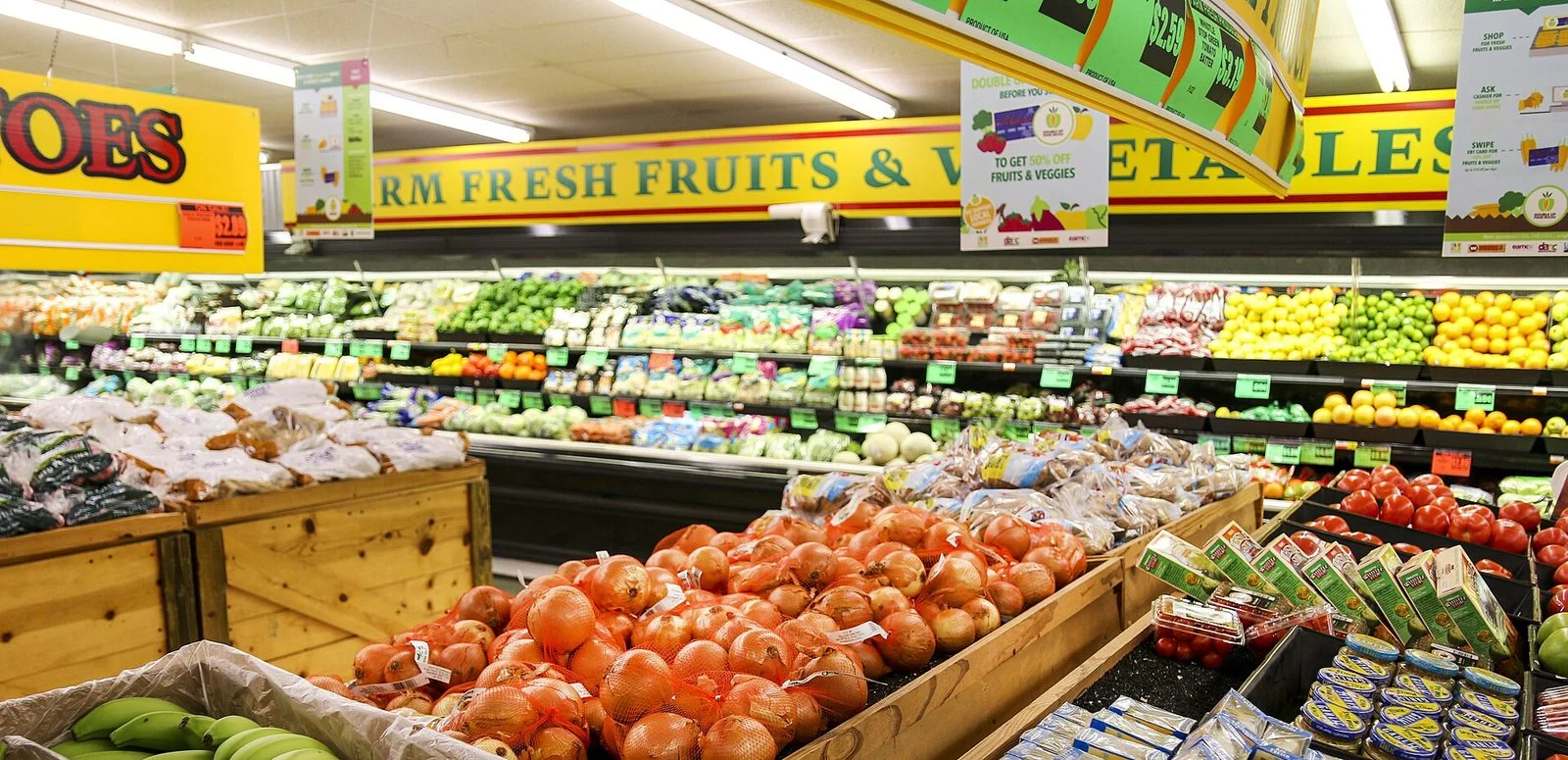
Giroux was candid about what the contingency plan could not fix. It kept stores supplied, he said, but it created turbulence and hurt freshness and assortment in stores and the company’s ability to compete. The distribution centre was back to pre-strike quality, assortment, and productivity within four weeks of the settlement, but the customers who drifted away during those six months are another matter.
What Does the Metro Q4 profit Laval strike Mean for Shoppers?
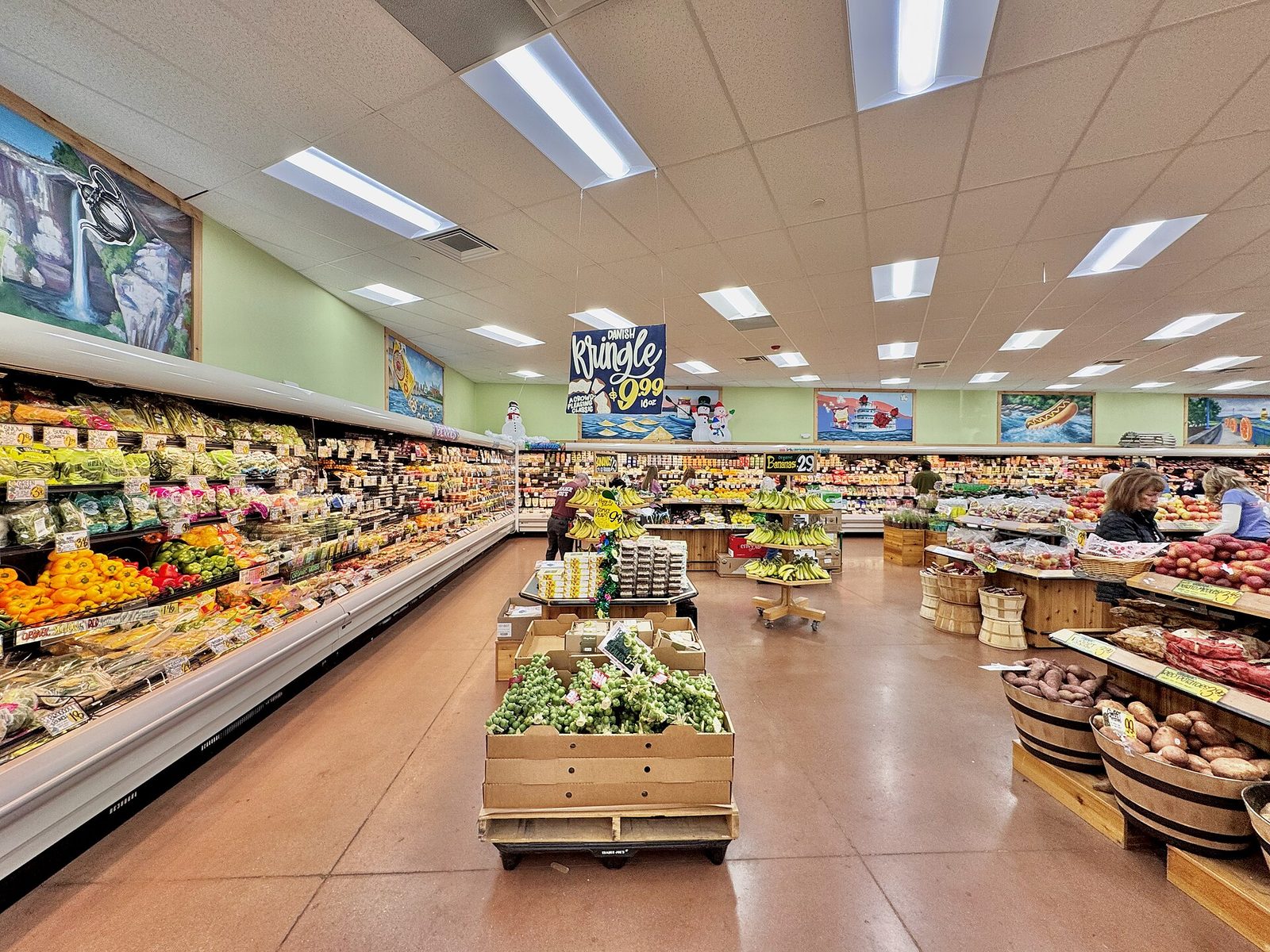
It means Metro is now in win-back mode, and shoppers in Quebec should notice. Giroux told analysts on the November 18 earnings call that Metro lost market share during the strike, saying the company could not compete as it usually does and had its hands tied behind its back. Food same-store sales remain negative into the first quarter of fiscal 2027, though he said there are signs of improvement and customer satisfaction is starting to recover.
The pitch to lapsed shoppers is fresh produce and value. Giroux said the focus is rebuilding traffic and rebuilding confidence in the produce department, with loyalty offers, personalization, and promotions aimed at the customers whose habits changed during the strike. He also noted that shoppers remain value-oriented, with more promotion participation, more private-label buying, and faster growth in discount than in conventional stores, while higher fuel costs keep pressure on the cost of living.
That value shift is where Metro is putting its money. The company opened 14 stores in fiscal 2026, including 13 discount stores, and four discount stores in the fourth quarter alone, including one conversion. It plans seven new discount stores and nine more Metro-to-Food Basics conversions in fiscal 2027, for 16 additional discount locations. On the pharmacy side, Metro plans three new stores and 31 renovation projects, including 13 pharmacies.
What Happens Next?
Giroux, who recently stepped into the president and chief executive role after the retirement of Eric La Fleche, called restoring momentum in the food business his first priority. He has been with Metro for 17 years and was chief operating officer for the last four, so he is promising continuity rather than a new direction. The company says its e-commerce fulfilment model, which started changing at the beginning of the quarter, should be completed by the end of the first quarter of fiscal 2027.
The pharmacy business remains the growth engine. Giroux pointed to strong demographics in Quebec and an expanded role for pharmacists in patient care, with prescription growth helped by organic demand, specialty drugs, and GLP-1 medications. Metro also returned $164.7 million to shareholders through share repurchases in the quarter.
The real test comes over the next two quarters. If the win-back works, food same-store sales turn positive and the $97 million strike bill becomes a one-year scar. If shoppers who left for competitors during the strike stay away, Metro will have paid twice: once in lost profit, and again in lost share. Giroux says the company is ready to compete. The next set of results will show whether shoppers agree.
Frequently Asked Questions
How much did the Laval strike cost Metro?
Metro estimates the labour conflict cost $31 million after tax in the fourth quarter and $97 million after tax for fiscal 2026. The total impact, including lost sales and margins, inventory losses, and extra logistics and security costs, was about $42 million for the quarter and $132 million for the year.
When did the Laval strike end?
Unionized workers at the Laval produce distribution centre ratified a new collective agreement on September 24, 2026, ending a strike that began in March. Workers returned to the job on September 27, the first day of Metro’s fiscal 2027.
Why did Metro’s profit fall if sales went up?
Fourth-quarter sales rose 1.4% to $5,179.5 million, helped by new stores, but the strike cut food same-store sales by 1.9% and squeezed gross margin to 19.2% from 20.0%. Pharmacy sales grew strongly, but not enough to offset the food business damage.
Maplestime will provide updates from Metro’s recovery after the Laval strike as announcements are made.
Have a tip about Metro or grocery prices? Email [email protected]
Have a correction? Email [email protected]
Did you shop somewhere else while Metro’s shelves were thin, and have you gone back? Tell us in the comments. And share this with every Canadian who watched their grocery bill climb while the produce aisle suffered.
Enjoying Maplestime? Support independent Canadian journalism — no paywall, no corporate owners.