




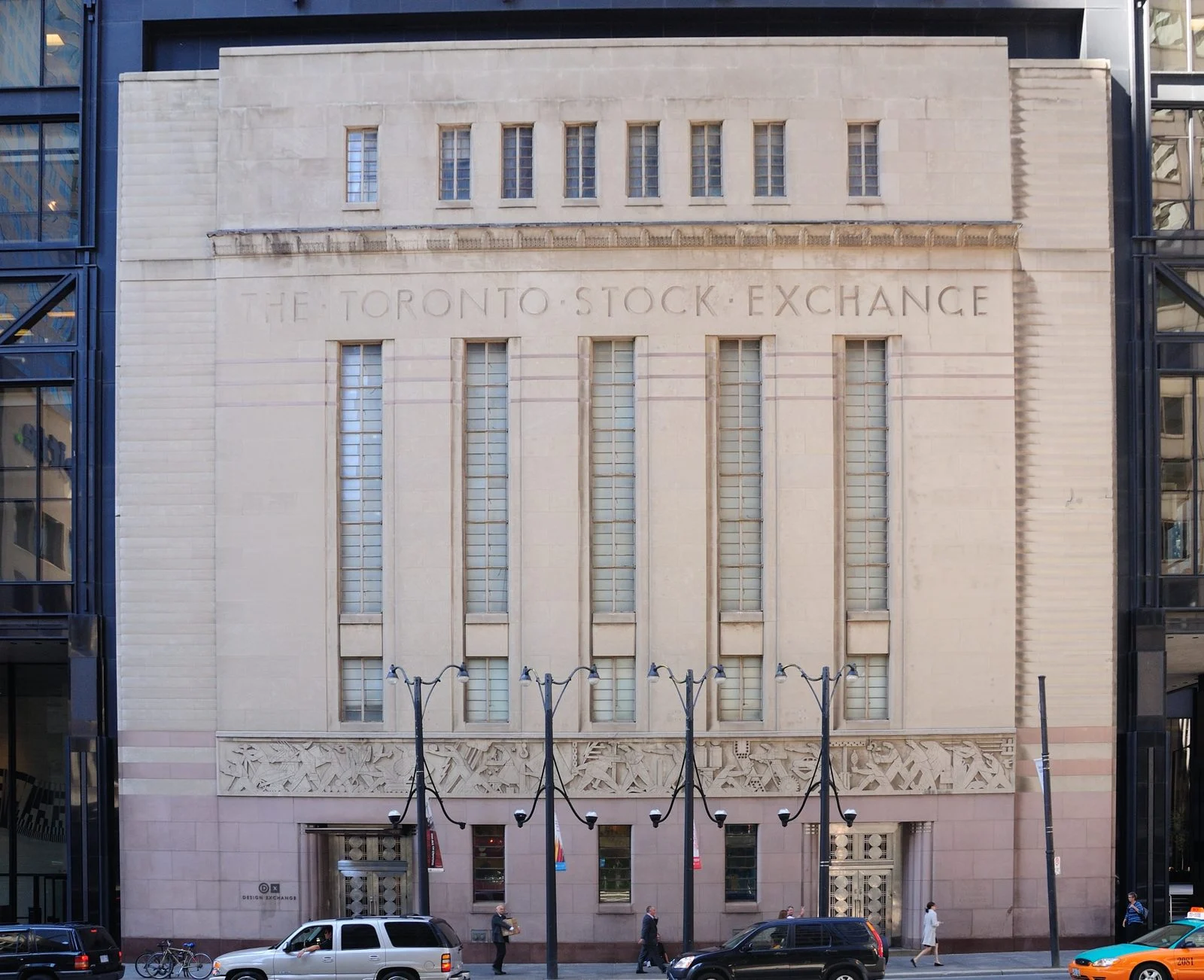
Canadian business news. The TSX plunges November 18 in its worst single day since June, shedding 737.25 points as a commodity rout hammered miners and energy stocks and pushed the index to its lowest close in five months.
By Maplestime Business Desk | Toronto, Ontario | November 19, 2026
Sources: Kitco, MoneySense, BayStreet.ca | Last updated: November 19, 2026
Quick Answer: The TSX plunges November 18, falling 737.25 points, or 2.1 percent, to close at 34,578.05. It was the index’s steepest drop since June 5, its lowest close since June 10, and its fifth straight daily decline. Gold, copper and oil all tumbled, dragging materials and energy stocks down with them.
Key Takeaways
- The S&P/TSX Composite fell 737.25 points, or 2.1 percent, to 34,578.05 on Wednesday, November 18.
- Materials dropped 5.4 percent and energy fell 3.8 percent as gold slid 3.4 percent and copper fell 5.25 percent.
- Agnico Eagle lost 6.3 percent and Ero Copper plunged 11.5 percent in the selloff.
- The S&P 500 fell only 0.2 percent the same day, showing how much the TSX’s commodity weight hurt.
- It was the fifth consecutive daily decline for the TSX.
TSX plunges November 18: What drove the rout?
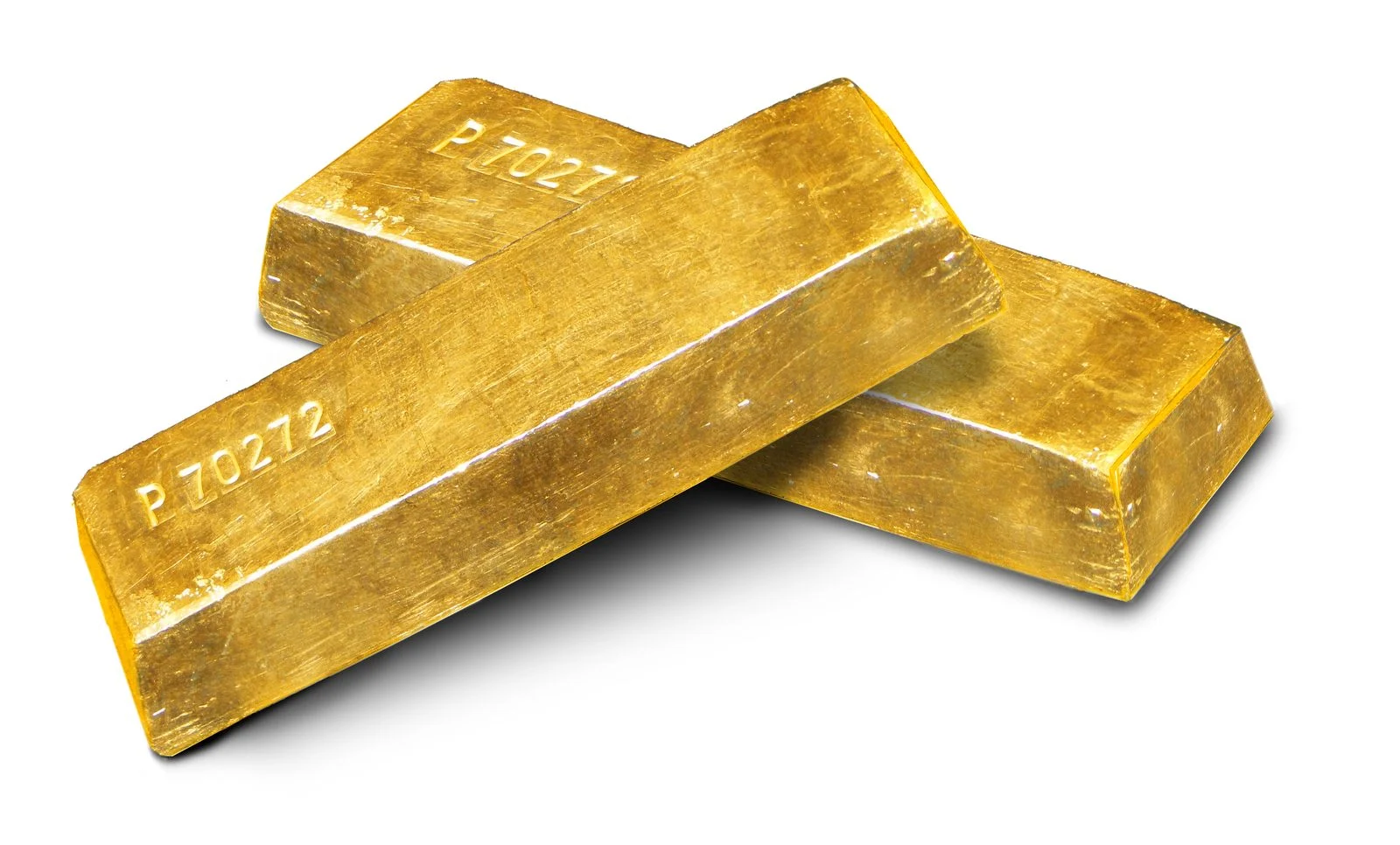
Wednesday was not a slow bleed. It was a rout, and commodities did the damage. Gold dropped 3.4 percent to US$3,744.20 an ounce, its lowest level in 14 months. Copper fell 5.25 percent. With the two metals that anchor so much of the TSX in free fall, the materials sector sank 5.4 percent and took the whole index with it.
The miners led the losses. Agnico Eagle, one of the biggest gold names on the exchange, fell 6.3 percent. Ero Copper did worse, plunging 11.5 percent in a single session. When the sector that usually steadies the TSX becomes its biggest drag, there is nowhere for the index to hide.
Why did energy stocks sink too?
Energy was the second blow. The sector fell 3.8 percent as United States crude settled 3.2 percent lower at US$83.26 a barrel, with traders betting on a growing oil surplus. That is a sharp turn for a sector that had been one of the few reliable supports for Canadian stocks this year.
Even the banks could not hold the line. Financials shed between 1 and 2 percent, which matters because the big banks are the TSX’s ballast. When gold, oil and the banks all fall on the same day, the index does not just dip. It drops 737 points.
Related: TSX falls Tuesday for fourth straight decline as telecoms and tech drag
How did the TSX compare with Wall Street?
Badly, and the gap tells the story. The S&P 500 fell only 0.2 percent on Wednesday. The day the TSX plunges November 18, the Canadian index fell ten times as much in percentage terms. The difference is what each market is made of. The American index is built on technology and services. The Canadian index is built on rocks and oil, and on Wednesday both were getting crushed.
That is the risk Canadians carry in their retirement accounts whether they know it or not. A portfolio that looks diversified because it holds a dozen TSX names can still be one big bet on commodity prices. Wednesday was the day that bet went wrong all at once.
What should investors watch next?
Five straight down days is a streak, not yet a trend, but after the TSX plunges November 18 the streak is getting hard to dismiss. The question now is whether the commodity selloff has further to run. Gold at a 14-month low and copper down more than 5 percent in a day suggest traders are pricing in weaker global demand, not just a bad afternoon.
Watch the miners first. If gold stabilizes, the TSX can steady itself. If it keeps sliding, the index has little else to lean on. And watch the banks. A 1 to 2 percent drop in financials is manageable. A bigger one would mean the rout is spreading from commodities into the core of the Canadian market.
Frequently Asked Questions
How much did the TSX fall on November 18?
The TSX plunges November 18 by 737.25 points, or 2.1 percent, to close at 34,578.05. It was the steepest single-day decline since June 5 and the lowest close since June 10.
Why did the TSX fall so much more than the S&P 500?
The TSX is heavily weighted toward commodities. Gold fell 3.4 percent, copper fell 5.25 percent and oil dropped 3.2 percent on the same day, so materials and energy dragged the Canadian index down while the technology-heavy S&P 500 slipped only 0.2 percent.
How many days in a row has the TSX fallen?
Five. The TSX plunges November 18 marked the fifth consecutive daily decline for the index, after Tuesday’s drop already made it four in a row.
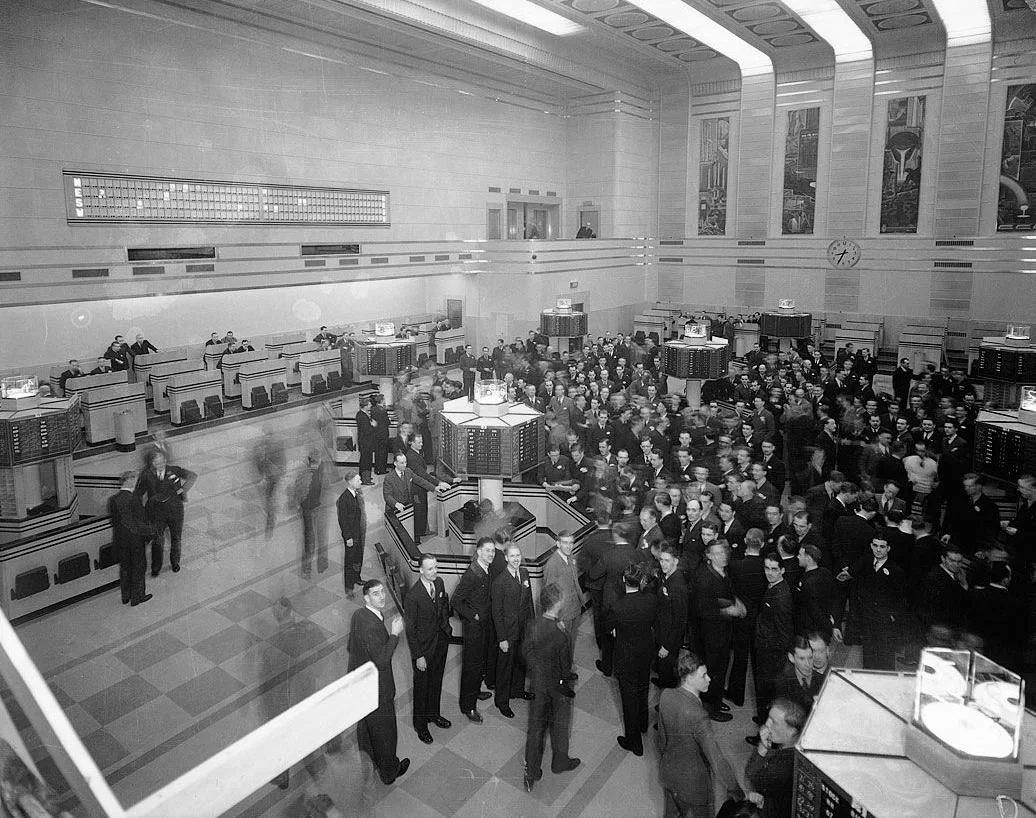
Maplestime will provide updates from the TSX and Canadian markets as announcements are made.
Have a tip about the markets? Email [email protected]
Have a correction? Email [email protected]
Is this the start of a real correction, or just the commodity trade taking a breather before the next leg up? Tell us in the comments. And share this with every Canadian watching their investments slide this week.
Enjoying Maplestime? Support independent Canadian journalism — no paywall, no corporate owners.