





Canada immigration news: Ottawa just handed the provinces a deadline and a big number. A new 100,000 workers permanent residence offer could move up to 100,000 workers already living in Canada, plus their families, to permanent residence in 2027 if provinces nominate them by March 31. It is the largest single push yet to turn longtime temporary workers into permanent residents, and the clock is already running.
Ottawa is offering provinces and territories extra Provincial Nominee Program spaces to nominate up to 100,000 workers permanent residence applicants already established in Canada, with nominations due by March 31, 2027. The spaces sit on top of the regular 2027 PNP target of 95,000, and each province decides how much of the extra room to use.
By Maplestime News Desk | Winnipeg, Manitoba | November 13, 2026
Sources: Immigration, Refugees and Citizenship Canada, Immigration News Canada, NGlobe News | Last updated: November 13, 2026
Key Takeaways
- 100,000 workers and their families: extra PNP spaces could move them to permanent residence in 2027.
- March 31, 2027 deadline: provinces must use the extra nominations by that date so applications can be processed during 2027.
- On top of the regular target: the spaces sit above the standard 2027 PNP target of 95,000.
- No new paperwork for workers: applicants do not need to submit anything new or contact IRCC to benefit.
- Part of a wider measure: the workers are one half of a time limited move for up to 200,000 people already in Canada.
What changed in Dieppe?
Immigration Minister Lena Metlege Diab announced the details on November 12, 2026, in Dieppe, New Brunswick, at 10:30 a.m. Atlantic time, which is 9:30 a.m. Toronto time. The offer is optional. Each province or territory decides how much of the extra space to take, and it is meant for workers already established in its communities who meet local labour needs. No per province figures were published, so the split will only become clear as provinces say how much room they plan to use.
Dieppe was a fitting stage for the announcement. The city sits in the Greater Moncton area, one of the Atlantic communities that has leaned hardest on immigration to fill jobs and grow its population. The minister’s message was aimed squarely at employers and workers who already call a Canadian community home and want to stay.
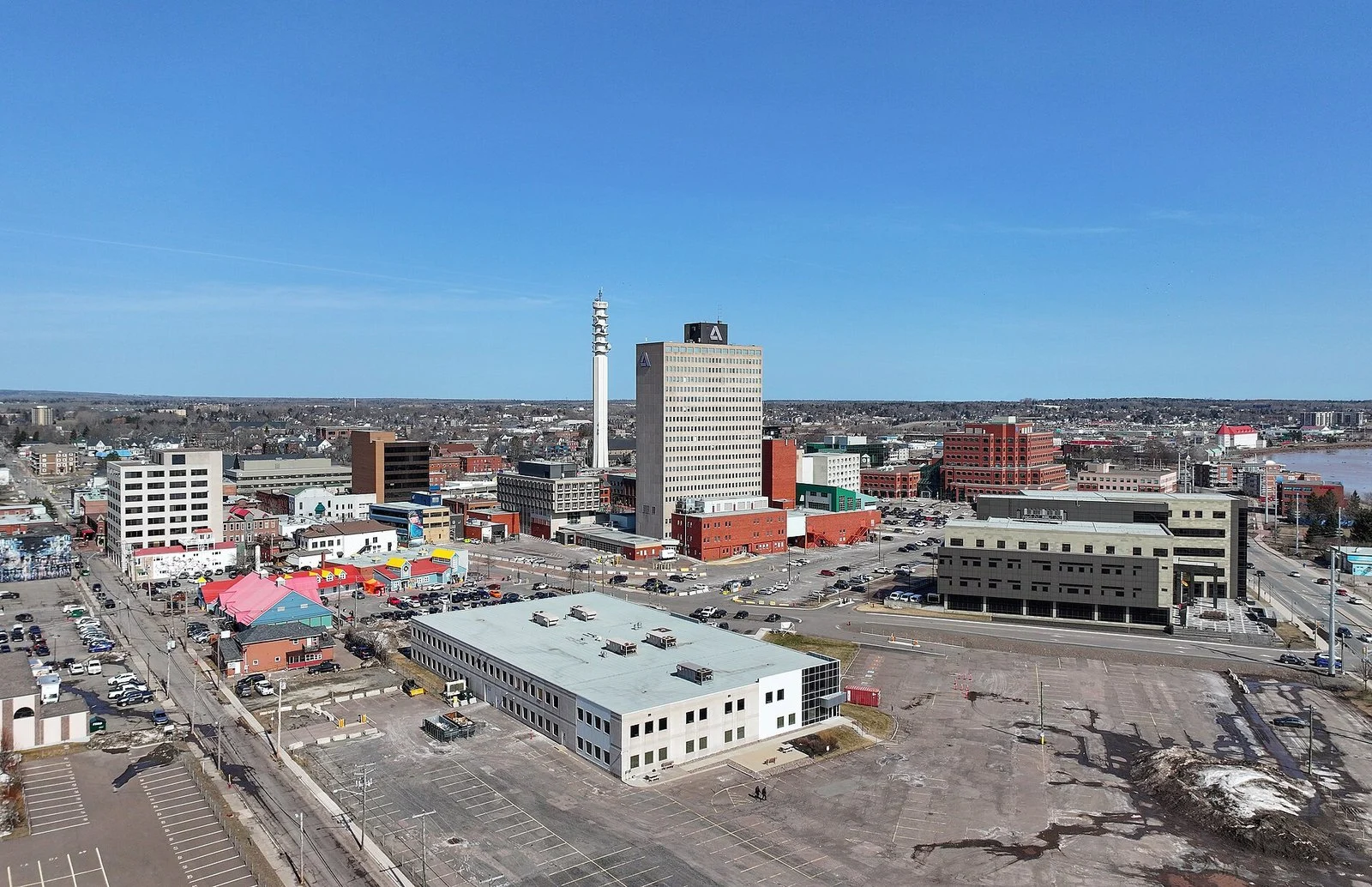
Moncton, New Brunswick, next door to Dieppe where Minister Diab made the announcement. Photo: Quintin Soloviev, CC BY 4.0, via Wikimedia Commons
What does the 100,000 workers permanent residence offer change?
The measure creates no new program and reopens no closed pathway. That matters because it keeps the focus on people already here. Workers who are already established, already working and already part of a community get a faster route to permanence, without a new application stream to learn or a new queue to join.
Provinces can also flag workers who already applied for permanent residence and are still awaiting a decision. That includes people who applied through the Atlantic Immigration Program and through closed federal programs and pilots, including the Start-up Visa Program, the Self-Employed Persons Program, the Agri-Food Pilot and home care worker programs. For those applicants, the extra spaces could finally move a file that has been sitting in limbo.
Who else is covered by the wider measure?
The workers are one half of a wider time limited measure for up to 200,000 people already in Canada, on top of the annual permanent residence target of 380,000. The other half covers up to 32,000 Hong Kong pathway applicants, 18,800 Ukraine family reunification applicants, 12,600 people already found eligible on humanitarian and compassionate grounds, and 45,000 spouses, partners and dependent children living in Canada.
The measure was first announced in Budget 2026, tabled on November 5, 2026, alongside the 2027 to 2029 Immigration Levels Plan. The budget set the direction. The Dieppe announcement filled in how the workers half will actually work, province by province, with the March 31 deadline doing the heavy lifting.
What should workers and employers do now?
Workers do not need to submit anything new or contact IRCC to benefit from the 100,000 workers permanent residence offer. The action sits with the provinces, which will decide how to use their extra room and which workers to flag. Employers with longtime temporary workers on staff should be talking to their province about who qualifies, because the March 31, 2027 deadline leaves little room for delay.
The real test will be speed. Provinces that move fast can lock in workers their communities already rely on. Provinces that hesitate will watch the spaces go unused, and the workers they were meant for will keep waiting.
Frequently Asked Questions
Do workers need to apply for anything new to benefit?
No. Applicants do not need to submit anything new or contact IRCC. The provinces use the extra spaces to nominate workers who are already established in their communities under the 100,000 workers permanent residence offer.
Does this reopen the Start-up Visa Program or other closed pathways?
No. The measure creates no new program and reopens no closed pathway. It only lets provinces flag workers who already applied, including through closed programs and pilots, for the extra nomination spaces.
When will the permanent residence applications be processed?
The extra nominations are intended to be used by March 31, 2027, so the resulting permanent residence applications can be processed during 2027.
Centre Block on Parliament Hill in Ottawa. The measure was first announced in Budget 2026. Photo: Saffron Blaze, CC BY-SA 3.0, via Wikimedia Commons

Maplestime will provide updates from immigration and provincial nominations as announcements are made.
Have a tip about this story? Email [email protected]
Have a correction? Email [email protected]
If 100,000 workers already live, work and pay taxes here, why did it take a deadline to call them permanent? Tell us in the comments. And share this with every newcomer waiting on a nomination.
Enjoying Maplestime? Support independent Canadian journalism — no paywall, no corporate owners.