



Canada immigration news: Small town Canada just got a permanent seat at the immigration table. Ottawa announced on November 9 that the Rural Community Immigration Pilot will become the permanent Rural Community Immigration Program on January 1, 2027, locking in a route that has already produced more than 4,700 job offers and community recommendations in 14 towns, including five in Ontario and three in Manitoba.
The Rural Community Immigration Program opens January 1, 2027, replacing the pilot that closes as of January 1, 2027. The same 14 communities are expected to continue, including North Bay, Sudbury, Timmins, Sault Ste. Marie and Thunder Bay in Ontario, plus Steinbach, Altona/Rhineland and Brandon in Manitoba. Ottawa plans 5,500 admissions in 2027.
By Maplestime News Desk | Winnipeg, Manitoba | November 11, 2026
Sources: Immigration News Canada, The Public Beacon | Last updated: November 11, 2026
Key Takeaways
- Permanent from January 1, 2027: the pilot closes as of January 1, 2027, and the permanent program opens the same day.
- 5,500 spots in 2027: admissions rise to 6,000 in 2028 and 6,500 in 2029 under the Levels Plan.
- 14 communities continue: five in Ontario and three in Manitoba are expected to stay in the program.
- Proven track record: from January 2025 to August 2026, more than 1,950 employers were designated and over 4,700 job offers and community recommendations were issued.
- Job first, then community backing: applicants need an offer from a designated employer plus a community recommendation, one year of related work experience, a language test and an education credential.
What does the Rural Community Immigration Program change?
Immigration Minister Lena Metlege Diab made the announcement on November 9 in Pictou County, Nova Scotia, one of the pilot communities. Turning a pilot into a permanent program matters because it gives small towns and their employers something a trial never could, certainty. A town that knows the door stays open can recruit, plan housing and build settlement services around newcomers instead of wondering whether the program will still exist next year.
The numbers explain why Ottawa is keeping it. Between January 2025 and August 2026, the pilot designated more than 1,950 employers and issued over 4,700 job offers and community recommendations. Those are real jobs in real towns, filled by people who chose a smaller community on purpose. The Levels Plan now sets aside 5,500 admissions for the program in 2027, rising to 6,000 in 2028 and 6,500 in 2029.
Related: Manitoba PNP draw 2026 — 1,304 Skilled Workers Invited in the Province’s Biggest Recent Round
Which Ontario and Manitoba towns are in?
The same 14 pilot communities are expected to continue under the permanent program. In Ontario, that means North Bay, Sudbury, Timmins, Sault Ste. Marie and Thunder Bay. In Manitoba, the continuing communities are Steinbach, Altona/Rhineland and Brandon. For newcomers weighing a move, that list is the map. These are places with employers already designated and community organizations already experienced in recommending candidates.

The Big Nickel in Sudbury, Ontario, one of the five Ontario towns in the program. Photo: Jason Zhang, CC BY-SA 4.0, via Wikimedia Commons
What do applicants need to qualify?
The route is built around a job, not a points draw. Applicants need a job offer from a designated employer in one of the participating communities, plus a recommendation from that community. They also need at least one year of related work experience, equal to 1,560 hours, gained in the past three years, along with a language test result and an education credential. The community recommendation is the piece that sets this program apart. It is the town itself saying this worker fits a local need.
Towards Canada Immigration broke down the announcement in a reel posted on November 10.
What should pilot applicants do before December 31?
Anyone holding a pilot recommendation should act now. Recommendations dated December 31, 2026 or earlier must be used before their own expiry date, and the pilot’s ministerial instructions stay in force until June 30, 2027 to accommodate candidates with valid recommendations, so a recommendation that is still valid can still be used in the new year. If you have a recommendation in hand, confirm its expiry date with the community that issued it and get your application moving. The permanent program opens January 1, 2027, but a lapsed pilot recommendation will not carry you across that line.
Frequently Asked Questions
When does the permanent Rural Community Immigration Program open?
It opens January 1, 2027, the day the pilot closes.
Do I need a job offer to apply?
Yes. Applicants need a job offer from a designated employer in a participating community, plus a recommendation from that community, one year of related work experience, a language test and an education credential.
Are the Ontario towns confirmed for the permanent program?
The same 14 pilot communities are expected to continue, including North Bay, Sudbury, Timmins, Sault Ste. Marie and Thunder Bay in Ontario, and Steinbach, Altona/Rhineland and Brandon in Manitoba.
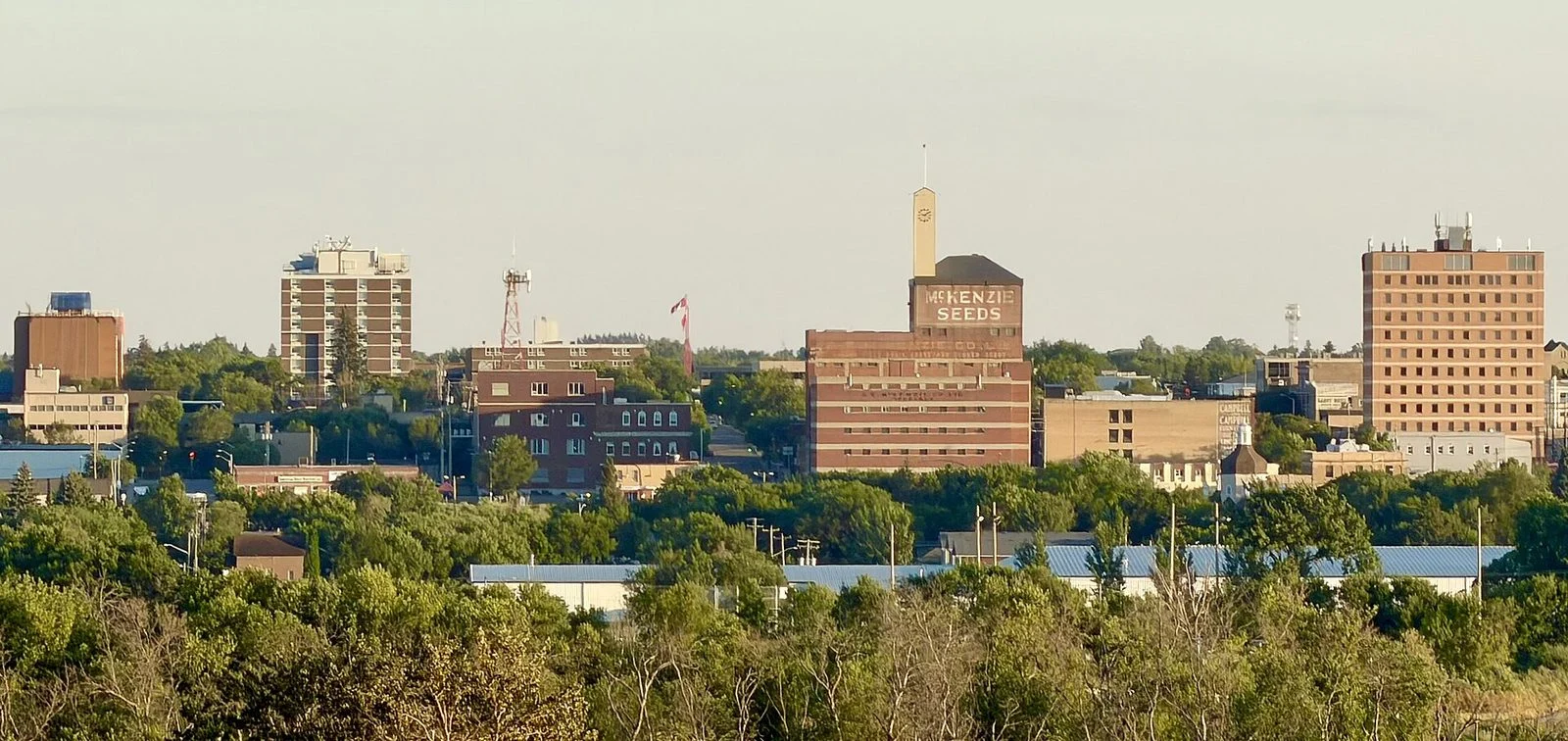
The Brandon, Manitoba skyline. Brandon is one of three Manitoba communities in the program. Photo: MBBrdn, CC0, via Wikimedia Commons
Maplestime will provide updates from rural immigration as announcements are made.
Have a tip about this story? Email [email protected]
Have a correction? Email [email protected]
If small towns are where Canada actually needs workers, why did it take a pilot to prove it? Tell us in the comments. And share this with every newcomer dreaming of a fresh start outside the big city.
Enjoying Maplestime? Support independent Canadian journalism — no paywall, no corporate owners.