





Canadian business news: Canada’s builders and its biggest banks have stopped waiting for Ottawa to fix housing. Their new Housing Market Report hands the federal government a 29 point plan to do it instead.
The Housing Market Report, published November 10 by the National Housing and Investment Initiative, offers 29 recommendations to build a sustainable Canadian housing market. The five priorities include a permanent Ontario HST rebate on new homes, a capital gains rollover for rental builders, and a softer foreign buyers ban.
By Maplestime News Desk | Winnipeg, Manitoba | November 11, 2026
Sources: GlobeNewswire, BILD GTA | Last updated: November 11, 2026
Key Takeaways
- The National Housing and Investment Initiative (NHII) published Recommendations for a Sustainable Canadian Housing Market on November 10, to inform the federal review of the National Housing Strategy.
- The Housing Market Report makes 29 recommendations across four pillars: attracting more long term housing investment, improving credit risk management in housing, stability and predictability in immigration policy, and accessing better data.
- Five priority fixes lead the list: a permanent Ontario HST rebate, alternatives to development charges, a capital gains rollover for purpose built rentals, a refined foreign buyers ban, and an Owner Occupied Construction Loan Program for condominiums.
- Scotiabank chief economist Jean-Francois Perrault said the moment is right for a more resilient, evidence based and forward looking housing policy framework in Canada.
- Mattamy Homes Canada CEO Brad Carr, NHII cochair, said Ontario’s HST rebate and Development Charge Reduction Program show well designed policy can restore confidence and lift market activity.
- The report was facilitated by the Building Industry and Land Development Association (BILD) and the Missing Middle Initiative.
What is in the Housing Market Report?
The report comes from an unusual alliance. The NHII brings together leaders from Canada’s building and development industry and the country’s largest banks, two groups that do not always agree on housing policy. Their shared message is that no single fix will solve the housing shortage, and that Ottawa’s next National Housing Strategy has to work across the whole delivery chain, from planning and approvals to financing, construction, and investment.
The four pillars behind the 29 recommendations cover the ground where housing deals actually stall: attracting more long term investment, managing credit risk better, keeping immigration policy stable and predictable so builders can plan, and getting better data to guide decisions. The authors are clear that these pillars hold each other up. Cheap land means little if financing dries up, and financing means little if approvals take years.
The Toronto skyline. Photo: booledozer, CC BY-SA 2.0, via Wikimedia Commons
What are the five priority fixes?
Make Ontario’s HST rebate permanent. The enhanced new housing HST rebate is the single most popular item on the list, and the report wants it locked in rather than left as a temporary measure that builders cannot plan around.
Find alternatives to development charges. The report calls for exploring other ways to fund the infrastructure that supports new housing, so cities stop loading the cost onto new home buyers through development charges.
Let rental builders defer capital gains. A capital gains rollover would let investors who sell purpose built rental apartments defer the tax, as long as the proceeds are reinvested in purpose built rental construction. The goal is to keep rental money building rentals instead of leaving the sector.
Refine the foreign buyers ban. The report wants the ban narrowed to exempt new housing construction, development ready vacant land, and purpose built rental projects, so the rules stop blocking the very building Canada needs.
Help condo buyers get construction financing. A new Owner Occupied Construction Loan Program for condominiums would improve construction financing for new ownership housing, a segment where financing has been a chronic bottleneck.
Why does this matter for Ontario buyers?
Ontario sits at the centre of this report for a reason. The province’s HST rebate and Development Charge Reduction Program are held up as proof that well designed policy moves the market. Carr said those Ontario measures have demonstrated that good policy can improve housing market activity and restore confidence, and the report’s first priority is to make the HST rebate permanent so that effect does not expire.
The politics are also favourable. Ottawa is reviewing the National Housing Strategy right now, which is exactly why the NHII timed the report for November 10. Builders and banks rarely speak with one voice, and when they do, governments tend to listen. Whether the 29 recommendations survive contact with a federal budget is another question, but the industry has now put its ask on paper in unusual detail.
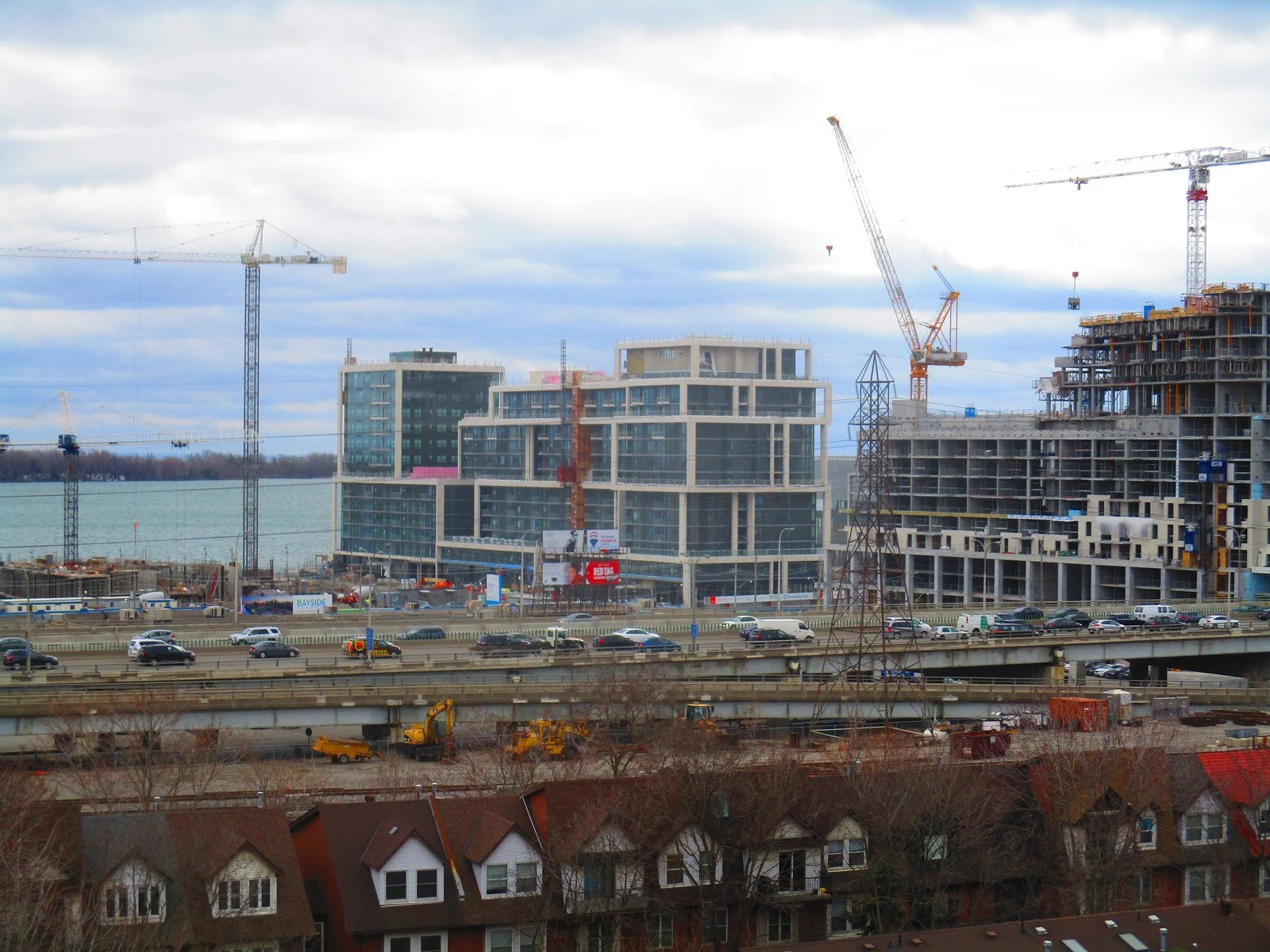
A new residential building under construction in Toronto’s Distillery District. Photo: booledozer, Public domain, via Wikimedia Commons
Frequently Asked Questions
What is the NHII Housing Market Report?
It is a report called Recommendations for a Sustainable Canadian Housing Market, published November 10 by the National Housing and Investment Initiative, a group of building industry leaders and Canada’s largest banks. It offers 29 recommendations to the federal government.
What is the top recommendation?
Making Ontario’s enhanced new housing HST rebate permanent. The report argues builders need certainty to plan projects, and a temporary rebate does not provide it.
Does the report change any housing rules today?
No. These are recommendations to the federal government as it reviews the National Housing Strategy. Ottawa decides which ideas, if any, become policy.

Maplestime will provide updates from the Canadian housing market as announcements are made.
Have a tip about this story? Email [email protected]
Have a correction? Email [email protected]
Should Ottawa adopt all 29 fixes, or is this just the building industry writing its own wish list? Tell us in the comments. And share this with every Canadian still waiting for an affordable home.
Enjoying Maplestime? Support independent Canadian journalism — no paywall, no corporate owners.