




Canada immigration news: Ottawa just doubled the runway for low wage foreign workers. Employment and Social Development Canada announced on November 6 that Low-Wage Temporary Foreign Worker Permits can now last up to two years instead of one, a change that takes effect for Labour Market Impact Assessments filed on or after November 6.
Low-Wage Temporary Foreign Worker Permits now last up to two years, double the previous one year maximum. The change applies to low wage Labour Market Impact Assessments submitted on or after November 6, 2026. A job counts as low wage when it pays less than 120 percent of the provincial median wage, which is $36.92 an hour in Ontario.
By Maplestime News Desk | Winnipeg, Manitoba | November 11, 2026
Sources: CIC News, Canadian Press via EuropeSays, Employment and Social Development Canada | Last updated: November 11, 2026
Key Takeaways
- Two year maximum, up from one year: the longer duration applies to low wage Labour Market Impact Assessments filed on or after November 6, 2026.
- What counts as low wage: pay below 120 percent of the provincial median wage, which is $36.92 an hour in Ontario and $38.40 in British Columbia.
- Early childhood educators added: they joined health care, construction and food processing on November 6 as occupations exempt from the processing pause in high unemployment cities.
- The hiring pause still applies: the low wage moratorium covers 30 census metropolitan areas with unemployment of 6 percent or higher, including Toronto, Vancouver, Montreal, Calgary, Edmonton and Halifax.
- More change coming March 1, 2027: provinces that opt in could let employers hire low wage temporary foreign workers for up to 15 percent of their workforce, up from the current 10 percent cap.
- $151.5 million budgeted: Budget 2026 earmarked that amount over five years for the temporary foreign worker program changes.
What do Low-Wage Temporary Foreign Worker Permits change?
For workers, a two year permit means a longer stretch of stability. One year permits forced people to renew almost as soon as they had settled in, with all the paperwork, fees and uncertainty that renewal brings. For employers, it means less churn and less time spent reapplying for the same worker to do the same job. The Canadian Press covered the change on November 9, and the message from Ottawa was that the program needs to fit regional realities better. Immigration Minister Lena Metlege Diab said the government intends to work more closely with provinces and territories on tailoring the temporary worker program to regional needs.
Related: Express Entry Overhaul 2026 — Canada Drops LMIA Rule, Adds Points for High-Wage Job Offers
Who counts as a low wage worker?
The line is drawn against the provincial median wage. A position is low wage if it pays less than 120 percent of the median wage in its province. In Ontario that threshold is $36.92 an hour. In British Columbia it is $38.40 an hour. That means a large share of the jobs newcomers actually hold, in food processing plants, on construction sites, in child care centres, sit on the low wage side of the line. The two year permit does not change the pay. It changes how long a worker can stay and work without starting the process over.

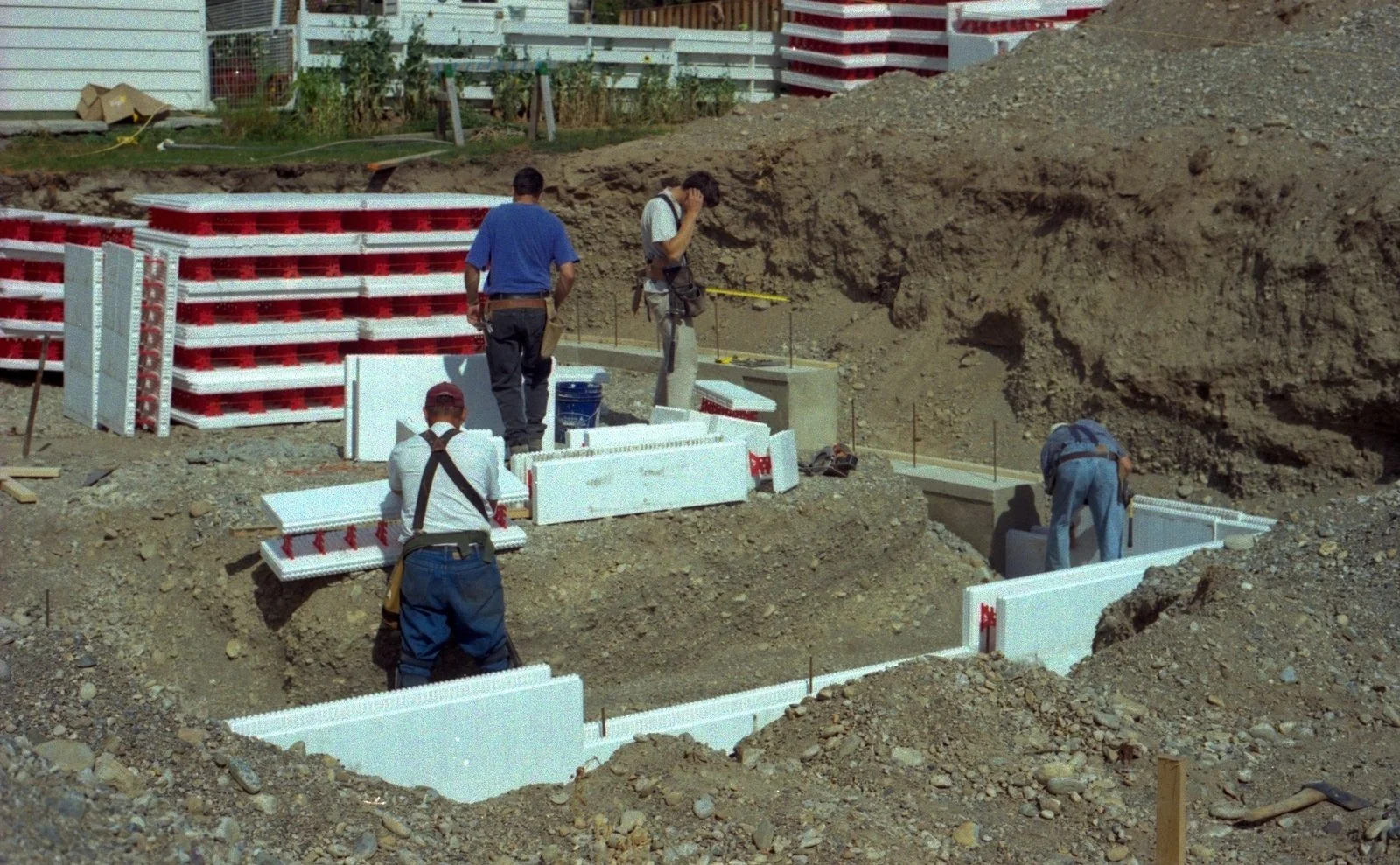
A construction worker on site. Construction is one of the sectors exempt from the processing pause. Photo: Ingolfson, Public domain, via Wikimedia Commons
Where does the hiring pause still apply?
The longer permits do not open every door. The low wage Labour Market Impact Assessment moratorium still applies in 30 census metropolitan areas where unemployment sits at 6 percent or higher, including Toronto, Vancouver, Montreal, Calgary, Edmonton and Halifax. The next quarterly update to that list lands January 8, 2027, so the map of where employers can hire will shift again in the new year. There is one notable carve out. Early childhood educators were added on November 6 to the occupations exempt from the processing pause in high unemployment cities, joining health care, construction and food processing. Daycares that cannot find staff get relief even in cities where other low wage hiring stays frozen.
Hejazineia Immigration explained the two year change in a reel posted on November 10.
What comes next in March 2027?
The bigger shift may still be ahead. From March 1, 2027, provinces that choose to opt in could let employers hire low wage temporary foreign workers for up to 15 percent of their workforce, up from the current 10 percent cap. The opt in detail matters. Provinces that want the higher cap will have to say so, and provinces that do not will stay at 10 percent. Budget 2026 put $151.5 million over five years behind these program changes, so this is not a one off tweak. Ottawa is rebuilding the low wage stream piece by piece, and workers and employers should watch the March decision in their own province.
Frequently Asked Questions
Do current one year permit holders automatically get an extra year?
No. The two year maximum applies to low wage Labour Market Impact Assessments submitted on or after November 6, 2026.
What pay counts as low wage in Ontario?
A job paying less than 120 percent of the provincial median wage, which works out to $36.92 an hour in Ontario.
Can employers in Toronto hire low wage temporary foreign workers now?
Not under the low wage stream. The moratorium still applies in Toronto and 29 other census metropolitan areas with unemployment of 6 percent or higher, with the next quarterly update on January 8, 2027.
The Toronto skyline. Toronto is one of 30 metropolitan areas where the low wage hiring pause still applies. Photo: Taxiarchos228, Free Art License, via Wikimedia Commons

Maplestime will provide updates from temporary foreign worker rules as announcements are made.
Have a tip about this story? Email [email protected]
Have a correction? Email [email protected]
Two years of stability is a real improvement, but does it fix a program employers still call slow and confusing? Tell us in the comments. And share this with every newcomer working a low wage job in Canada.
Enjoying Maplestime? Support independent Canadian journalism — no paywall, no corporate owners.