


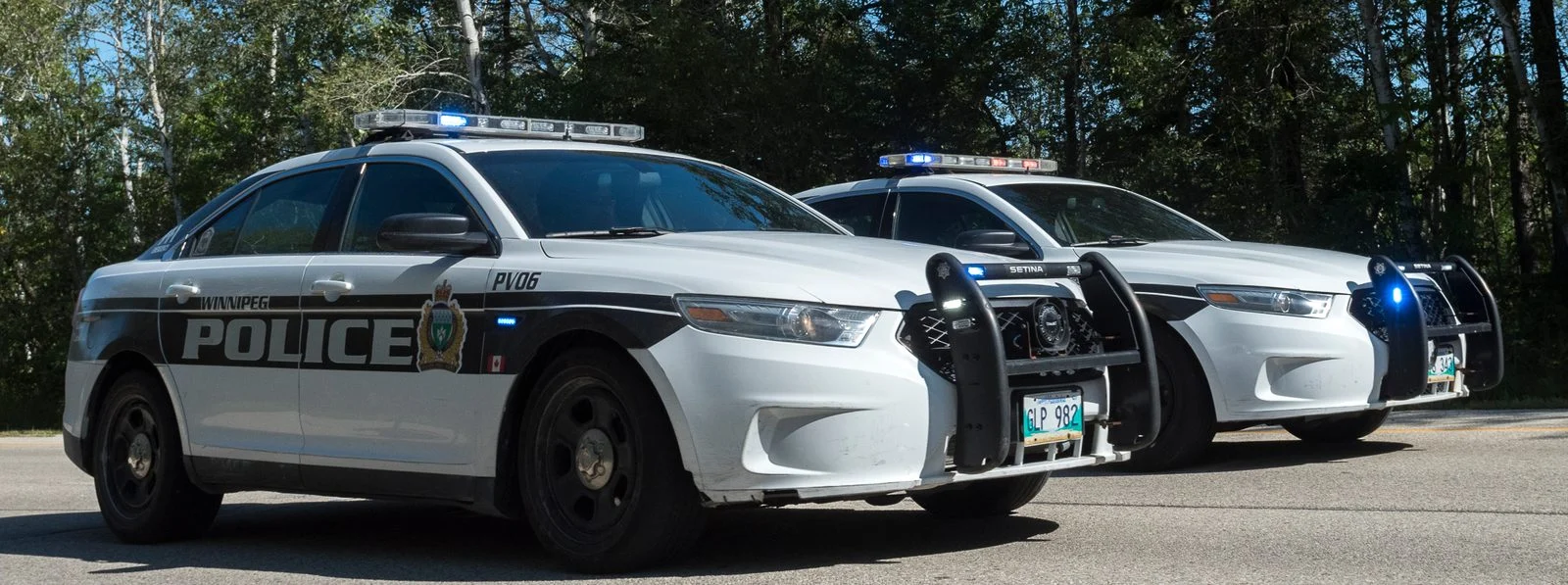
Winnipeg policing news: Winnipeg police officers must now record the race of every person they use force against, a change the service made mandatory on October 1. The service has no date yet for making the numbers public, and advocates say the data will only matter if the public can see it.
By Maplestime Manitoba Desk | Winnipeg, Manitoba | November 18, 2026
Sources: CBC News Manitoba | Last updated: November 18, 2026
Key Takeaways
- Recording race based use of force data is now mandatory for Winnipeg police officers, in every case where force is used, from an officer drawing a weapon to a fatal police shooting.
- The change took effect October 1, 2026, when training on why the data is collected was built into a software upgrade. Some race based data was already collected; the change makes it consistent.
- Race is recorded by how the officer perceives the person, not how the person self identifies, the same approach as the RCMP pilot launched in 2024.
- The service does not know how or when the data will be made public.
- The move comes days after a report that Manitoba’s police watchdog, the Independent Investigation Unit, has never published the race based data it promised four years ago.
What Officers Must Record Now
The change covers any case where force is used. That runs from an officer drawing a weapon to a police shooting that kills someone. Officers must consistently document the racial identity of the person involved.
The decision was announced through David Bowman, the service’s director of organizational development and support. Bowman said he had championed the change before taking his current position, and seeing it through now is really satisfying for him.
Bowman said better data will support consultations with the community and the police board. He said the service intends to speak to the numbers meaningfully once it is confident in the data, but it does not know yet how or when the data will be made public.
Why Race Is Recorded by Officer Perception
The race is recorded based on how the officer perceives the person, not how the person self identifies. Bowman said understanding how officers perceive people during police interactions is critical to identifying patterns, measuring outcomes and informing improvement efforts. The decision on that method was made alongside other policing groups across Canada, and it matches the RCMP’s race based data collection pilot launched in 2024.
The categories are Black, east and southeast Asian, Indigenous, Latin American, Arab or west Asian, South Asian, white, and none. They line up with Statistics Canada census population groups and are nearly identical to the RCMP’s categories.
Advocates Welcome the Move, With Warnings
Meaghan Daniel, counsel for the Coalition of Families Affected by Police Violence, called the move a great starting point, but said police collecting data about their own activities is no substitute for independent oversight and public reporting. She warned that recording race by officer perception could misclassify people and obscure the real extent of police violence, and said Indigenous Peoples need authority over how data about their communities is collected.
Daniel also pointed to a bigger problem across Canada: there is no standardized method of collecting use of force data, so one service might count a single incident involving batons, handcuffs and physical force as three separate incidents. Without a standard way of counting, she said, it is hard to compare services or track trends.
Tandeep Sidhu, an assistant professor of criminology and sociology at the University of Manitoba, backs collecting race based data but said the public should stay skeptical, because the numbers could be presented in a way that shields police from criticism. He said it would be more useful if police services had to release redacted versions of officers’ use of force reports.
The Watchdog Data That Never Came
The Winnipeg move lands days after the Investigative Journalism Foundation reported on Monday, November 16, that Manitoba’s police watchdog, the Independent Investigation Unit, has not published annual race based data on people injured or killed during police interactions, despite a commitment made four years ago. Manitoba Justice under the then Progressive Conservative government had said the unit would release estimates in its annual reports as part of a key initiative to advance reconciliation, with the goal of reducing disproportionate impacts on racialized communities and increasing transparency.
A provincial government spokesperson said by email that the unit was included in a project to gather race based data, but participation was voluntary and extremely low, from both affected people and subject officers, so the limited data would not have been accurate and was not reported. The unit continues to examine best practices, the spokesperson said.
Justice Minister Matt Wiebe, in an emailed statement, did not answer whether his department is still committed to having the unit release race based data annually, and he declined to answer questions on the topic at an unrelated media availability. He said the Independent Investigation Unit is an independent body with full control over its operations, and that analyzing race based data can be an important part of understanding, in line with the government’s broader approach.
Daniel said the missing watchdog data undermines trust, and it should, because it tells people about who matters and what matters. She said she would like the Manitoba government to say plainly that the absence of official data is not evidence of the absence of systemic racism.
Frequently Asked Questions
When did mandatory race based use of force data collection start in Winnipeg?
October 1, 2026.
How is race recorded?
By how the officer perceives the person, not by self identification, using categories aligned with Statistics Canada census groups.
When will the public see the data?
The Winnipeg Police Service has not set a date. It says it will speak to the numbers once it is confident in the data.
Maplestime will provide updates from the Winnipeg Police Service as announcements are made.
Have a tip about Winnipeg policing? Email [email protected]
Have a correction? Email [email protected]
Will mandatory race based data make Winnipeg policing more accountable, or will the numbers stay hidden long enough to lose their meaning? Tell us in the comments. And share this with every Winnipegger following police accountability in this city.
Enjoying Maplestime? Support independent Canadian journalism — no paywall, no corporate owners.