



Winnipeg transit: this Winnipeg Transit Guide 2026 sets out the fares, passes, trip planning tools and services you need to get around the city by bus, from the peggo card to WINNpass and On Request.
Winnipeg Transit Guide in short: An adult ride on Winnipeg Transit costs $3.10 with a peggo card or $3.45 in cash, and the adult monthly pass is $119.35. Low income riders can pay half price with WINNpass. Plan trips with Navigo, which shows live bus locations, and use On Request in the 12 zones where feeder buses do not run.
By Maplestime News Desk | Winnipeg, Manitoba | November 14, 2026
Sources: City of Winnipeg, Winnipeg Transit, Winnipeg Transit On Request, Winnipeg Transit Plus | Last updated: November 14, 2026
Key Takeaways
- An adult fare in 2026 is $3.10 on a peggo card or paper ticket, and $3.45 in cash. The adult monthly pass is $119.35.
- Youth pay $2.30 on a peggo card, seniors 65 and older pay $1.55, and post secondary students pay $3.10 on a peggo card.
- WINNpass cuts fares in half for low income Winnipeg residents aged 64 and under: $1.55 a ride or $59.70 a month.
- Students in Grades 7 to 12 ride free in the 2026 to 2027 school year with the free youth transit pass.
- Navigo plans trips and shows live bus locations. The Winnipeg Transit app, TeleBUS and Transit on the Go help too.
- On Request covers 12 zones where feeder buses do not run, booked through the app, the website or 311.
Winnipeg Transit Guide: 2026 Fares at a Glance
Winnipeg Transit charges one flat fare anywhere in the city. There are no zones, so a ride from St. Vital to the Maples costs the same as a ride across downtown. The 2026 fares took effect January 1, 2026, and the City lists them in four categories: full fare for people aged 17 to 64 who are not in high school or post secondary school, youth fare for people 16 and under plus high school students aged 17 to 21 with a GoCARD, senior fare for people 65 and older who show photo ID, and post secondary fare for students at eligible universities, colleges and trade schools.
| 2026 fare | Full fare | Youth | Senior | Post secondary |
|---|---|---|---|---|
| Cash | $3.45 | $2.95 | $2.95 | $3.45 |
| peggo card | $3.10 | $2.30 | $1.55 | $3.10 |
| Paper ticket | $3.10 | $2.30 | $1.55 | Not available |
| 24 hour pass | $11.45 | $8.50 | $5.75 | Not available |
| 28 day pass | $110.05 | $81.65 | $55.05 | $88.05 |
| Monthly pass | $119.35 | $88.55 | $59.70 | $95.50 |
| Semester pass | Not available | Not available | Not available | $324.65 |
| WINNpass ride | $1.55 | $1.55 | Not available | Not available |
| WINNpass monthly | $59.70 | $59.70 | Not available | Not available |
The monthly pass pays for itself at about 39 adult rides in a month, so daily commuters should do the math before paying ride by ride. All fare products are non refundable, so buy the pass that matches how often you actually ride.
How does the peggo card work?
The peggo card is Winnipeg Transit’s reloadable fare card, and it is the cheapest way to pay for a single ride. A new card costs $5 once, and you can buy one online, by calling 311, or at a sales agent around the city. Load value in amounts of $5, $10, $15, $20, $30 or $50, up to a maximum of $200 on the card, and tap it on the fare box when you board. A peggo card with a photo costs $11.80, and a photo ID card on its own costs $4.25.
Paper tickets are the low tech alternative at the same price as a peggo card ride: $3.10 for an adult, $2.30 for youth and $1.55 for seniors, sold in sheets of five or ten. Cash is the most expensive way to ride at $3.45 for an adult, so even occasional riders save money by keeping a peggo card or a sheet of tickets handy. Post secondary students can only get their fare on a post secondary peggo card, and must show validated student ID to the operator when they board.
Related: Things To Do In Winnipeg 2026 — Complete Guide For Locals
Who qualifies for WINNpass and the free youth pass?
WINNpass is the discount that makes the biggest difference for the riders who need it most. The program gives low income Winnipeg residents aged 64 and under a 50 percent discount on monthly passes and card rides: $1.55 a ride or $59.70 a month, against the full fare of $3.10 a ride or $119.35 a month. To qualify you must live in Winnipeg and be part of a household with income below the low income cut off for your household size. Apply through the City, and bring proof of residence and income.
Students got a better deal this school year. The free youth transit pass pilot gives a free pass to students aged 11 to 21 enrolled in Grades 7 to 12 at a Winnipeg based public, independent or home school program for the 2026 to 2027 school year. Passes are valid from September 2026 to August 2027 for any trip, route or time of day, including On Request and Transit Plus. Children 11 and under ride free with a fare paying rider, no pass needed.
How do you plan a trip with Navigo?
Navigo is the trip planner the City points riders to first, and it is the best place to start because the whole network changed in 2025. Enter your starting point, your destination and the time you want to travel, and Navigo gives you several options for getting there, with live bus locations shown on the map. The Winnipeg Transit app puts Navigo on your phone, along with real time schedules near you and a live view of your trip through Transit on the Go. TeleBUS gives schedules by phone for riders who would rather call than tap.
Do not rely on memory or an old route map. The 2025 redesign moved Winnipeg to a spine and feeder network, so the best way to reach your destination may have changed even if you have ridden the same bus for years. If the trip looks awkward, check Park and Ride or Bike and Ride, and ask the City’s travel training team for help. The team runs weekly Zoom sessions to teach riders the network, On Request, Winnipeg Transit Plus and more, and registration is required.
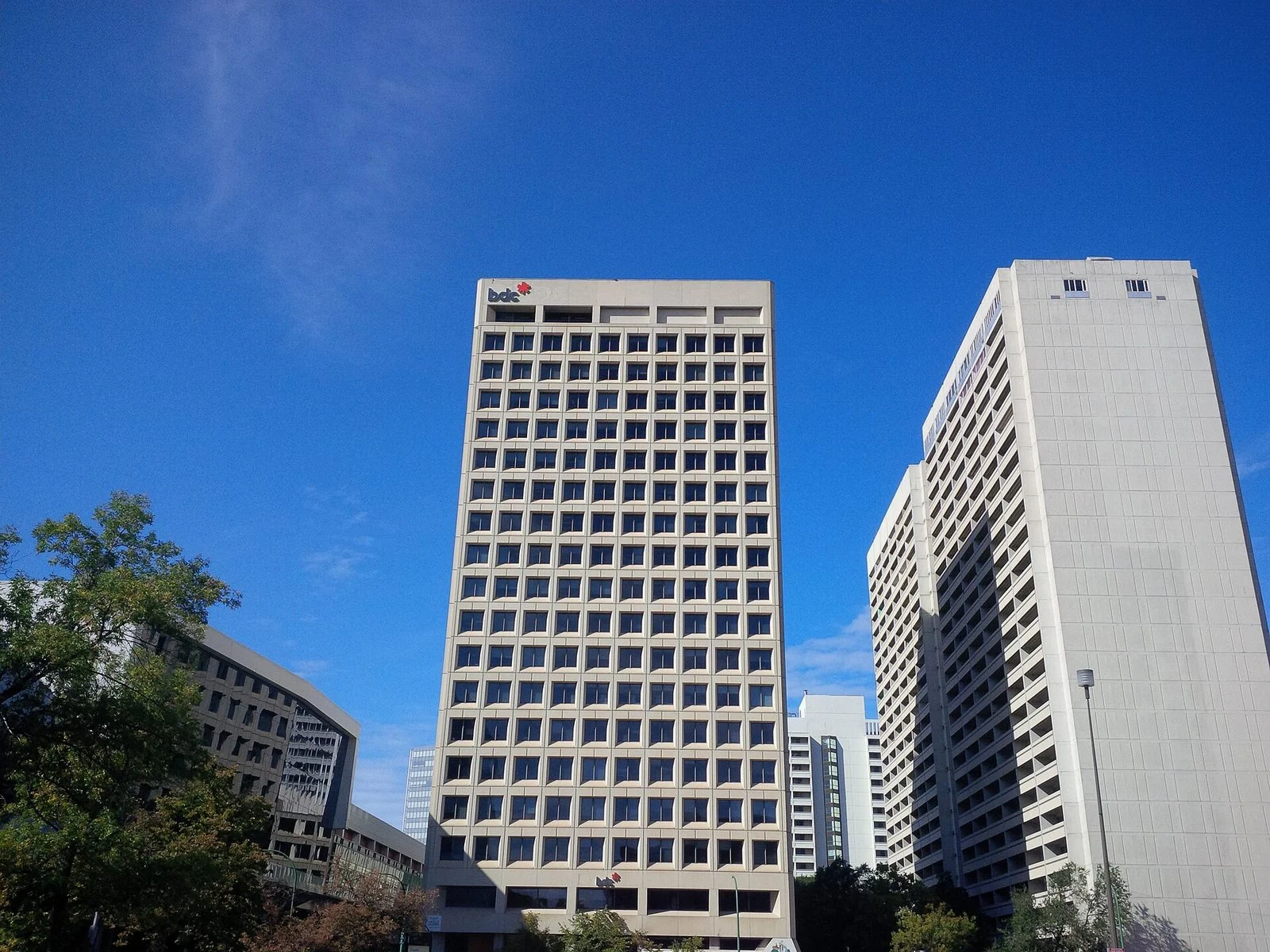
Carlton Street in downtown Winnipeg. Photo: Jimj wpg, CC BY-SA 4.0, via Wikimedia Commons
What is the BLUE line and the new network?
The spine of the new network is the Primary Transit Network: simpler, straighter lines with fewer stops running frequently along main corridors like Portage Avenue and Main Street. Rapid service runs as the BLUE line on the Southwest Transitway, with Frequent Express lines FX2 to FX4, Frequent lines F5 to F7 and Direct lines D14 to D18 filling out the frequent grid. Feeder routes, connector routes, community routes and On Request zones carry riders from their neighbourhoods to the spine.
The idea is simple: frequent lines you can just show up for, and feeder services that get you to them. That only works if riders know which line is theirs, so check Navigo before the first trip on a new route. Winnipeg Transit also runs extra service for big events, and the City promotes transit as the easy ride to Winnipeg Blue Bomber games, so check the schedule before heading to Princess Auto Stadium.
How does On Request work?
On Request is Winnipeg Transit’s answer for the parts of the city where a fixed bus route does not make sense. It operates in 12 zones across Winnipeg when feeder bus routes are not in service, and you can travel anywhere inside a zone, provided the bus can fit down the street. Book through the Winnipeg Transit Plus On Request app, on the web at winnipegtransit.com/bookonrequest, or by calling 311 and following the prompts.
There are three rules to know. You cannot book a trip in advance: request your ride a few minutes before you want to travel, and the bus may detour to pick up and drop off other passengers along the way. Standard fares apply and transfers are accepted, so an On Request ride costs the same as any other bus ride. And request your trip at least 20 minutes before service ends, because buses stop accepting new requests near the end of the night, and trips requested after 10 p.m. must be made on the app or the website.
What should you know about riding in winter?
Winter is when the planning tools earn their keep. Buses are tracked in near real time on Navigo and the Winnipeg Transit app, so check the live location before you walk to the stop instead of standing in minus 30 wondering where the bus is. Build extra time into winter trips, because snow slows everything down, and dress for the wait, not just the ride. Winnipeg Transit Plus serves riders who meet its eligibility requirements at the same fares as fixed route buses, and the free youth pass covers it too, so eligible students can use it for school trips in any weather.
Frequently Asked Questions
How much is an adult bus fare in Winnipeg in 2026?
An adult ride costs $3.10 on a peggo card or with a paper ticket, and $3.45 in cash. The adult monthly pass is $119.35, and the 24 hour pass is $11.45.
Do children ride free on Winnipeg Transit?
Children 11 and under ride free with a fare paying rider. Students in Grades 7 to 12 ride free in the 2026 to 2027 school year with the free youth transit pass, valid from September 2026 to August 2027.
What is On Request?
On Request is bookable bus service in 12 zones where feeder routes do not run. Request a ride a few minutes before you travel through the app, the website or 311. Standard fares apply and transfers are accepted.
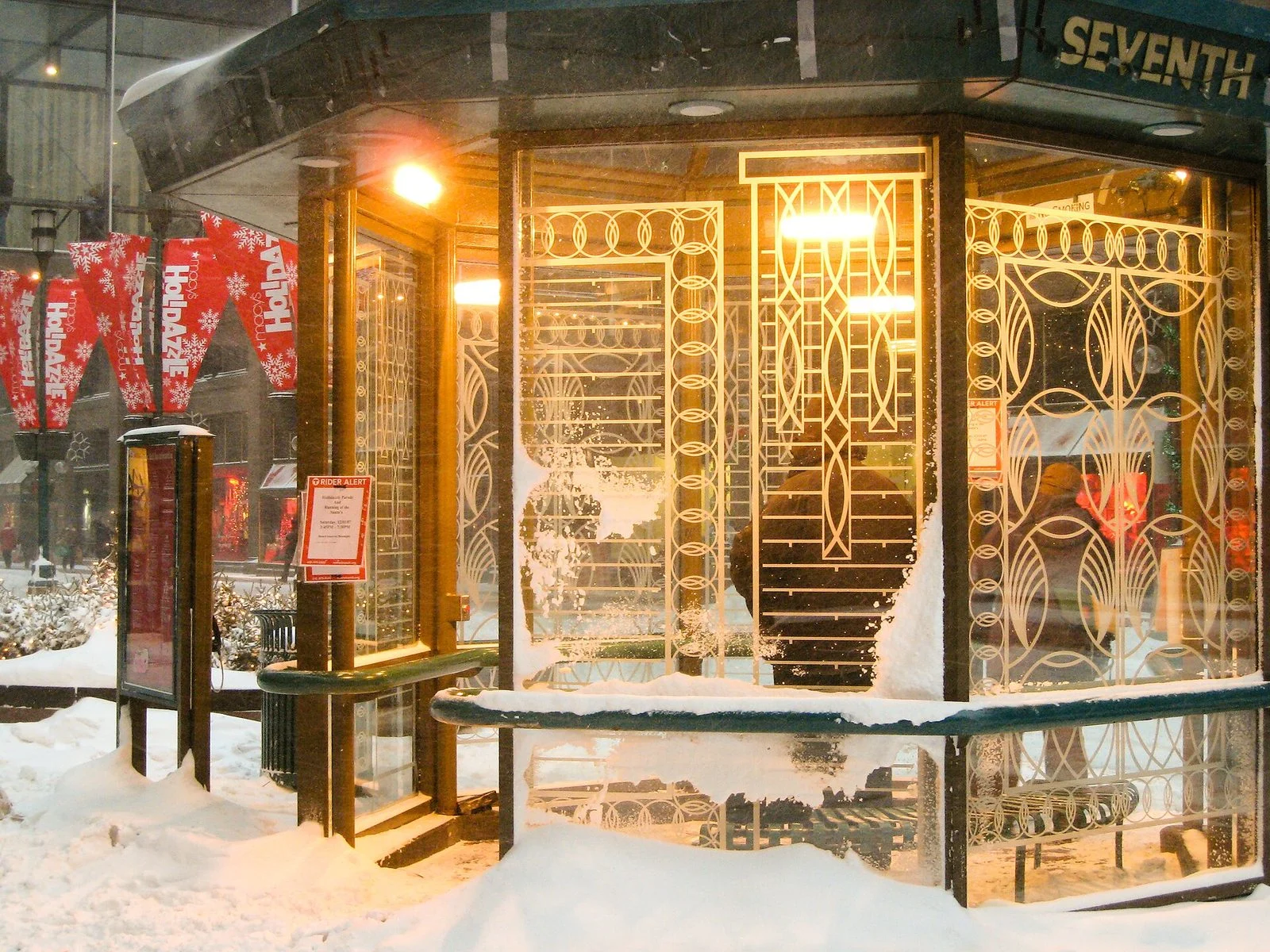
A bus stop in the snow. Photo: Sharon Mollerus, CC BY 2.0, via Wikimedia Commons
Maplestime will provide updates from Winnipeg Transit as fares and services change.
Have a tip about this story? Email [email protected]
Have a correction? Email [email protected]
Is Winnipeg Transit good enough to leave the car at home this winter, or does the city still have work to do? Tell us in the comments. And share this with every Winnipegger who rides the bus.
Enjoying Maplestime? Support independent Canadian journalism — no paywall, no corporate owners.