
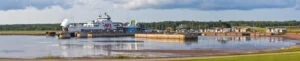




Canadian business news — Woodfibre LNG says its Squamish terminal and FortisBC’s Eagle Mountain Pipeline will generate $11.6 billion in government revenue over construction and 40 years of operation, according to the new Woodfibre LNG Economic Study released October 22 by Deetken Insight.
By Maplestime Business Desk | Canada | October 23, 2026
Sources: The Squamish Reporter, Newswire | Last updated: October 23, 2026
Key Takeaways
- The Woodfibre LNG Economic Study estimates $11.6 billion in government revenue across construction and a 40-year operating period, with $6.8 billion flowing to British Columbia and $485 million in municipal property taxes.
- Construction alone is projected to create $13.6 billion in economic output across Canada, nearly $7 billion in GDP and more than 52,000 employment-years.
- The project is about 75 percent complete, with construction expected to finish in mid-2027.
- CEO Luke Schauerte says the project is “already delivering significant economic benefits to British Columbia and Canada” before its first LNG shipment.
What the Woodfibre LNG Economic Study Actually Found
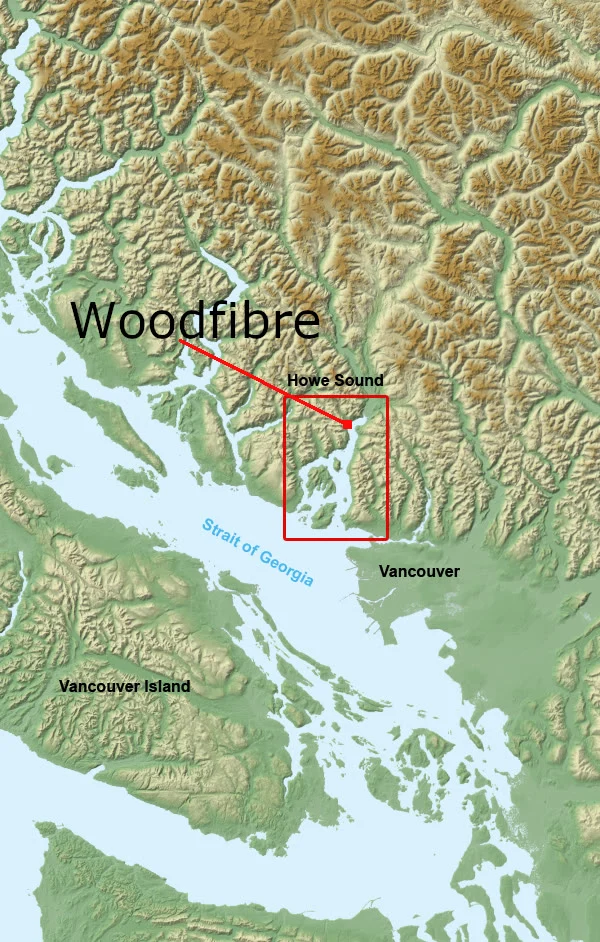
Deetken Insight’s assessment covers both the Woodfibre LNG export facility in Squamish and FortisBC’s Eagle Mountain Pipeline that will feed it. The revenue figures are expressed in nominal dollars, which means they are not adjusted for inflation, and they include resource royalties, income taxes, carbon tax, property tax, motor fuel tax and provincial sales tax.
Of the projected $11.6 billion in government revenue, roughly $6.8 billion would go to British Columbia, while municipal property taxes from the facility and pipeline are expected to total about $485 million over the construction and operating period.
The Construction Payoff: $13.6 Billion in Output
The study estimates construction of the two projects will generate $13.6 billion in economic output across Canada, including nearly $7 billion in GDP and $3.6 billion in labour income. It also projects more than 52,000 employment-years during construction. An employment-year is one year of work for one person, not a permanent job, but at this scale it represents one of the largest labour commitments in B.C. resource history.
75 Percent Built, Mid-2027 Finish
The company says the project is approximately 75 percent complete, with construction expected to wrap up in mid-2027. Hiring and contracting priorities include Squamish Nation members, other Indigenous peoples, Squamish residents and other British Columbians.
“Woodfibre LNG has yet to produce its first shipment of LNG, but the project is already delivering significant economic benefits to British Columbia and Canada,” said Luke Schauerte, the company’s president and CEO. “We’re generating jobs, supporting businesses, creating opportunities for First Nations and contributing to economic growth in communities across the province and country today.”
Beyond the Balance Sheet
Woodfibre LNG also pointed to spending outside the study’s scope, including $50 million to clean up and remediate the former Woodfibre pulp mill site. The study excluded community grants and donations, such as a $900,000 commitment toward a new CT scanner for Squamish General Hospital. The company says its community support programs will continue through the project’s operating life.

Maplestime will provide updates from Woodfibre LNG as announcements are made.
Have a tip about Woodfibre LNG? Email [email protected]
Have a correction? Email [email protected]
Should B.C. be banking on LNG billions while the province chases climate targets, or is this exactly the revenue Canada needs right now? Tell us in the comments. And share this with every Canadian following the economy and the energy debate this week.
Enjoying Maplestime? Support independent Canadian journalism — no paywall, no corporate owners.