


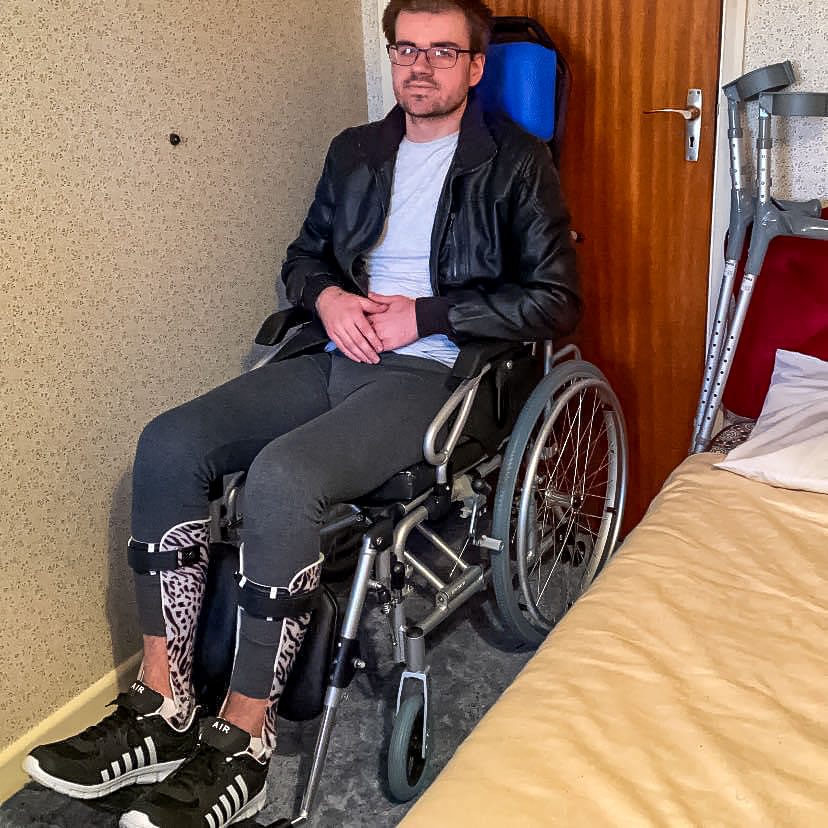
Manitoba news: Used Medical Equipment that used to gather dust in Brandon closets and hospital storage rooms is getting a second life, and families who could never afford a new wheelchair can now buy a restored one for about a fifth of the retail price.
By Maplestime News Desk | Winnipeg, Manitoba | November 19, 2026
Sources: Province of Manitoba | Last updated: November 19, 2026
Quick Answer: Used Medical Equipment is the heart of Brandon’s Mobility Renewal program, run by the Brandon Neighbourhood Renewal Corporation from its Creation Nation Makerspace. Donated wheelchairs, walkers and other gear are restored and resold at about a fifth of retail price. The province put $100,000 behind the project on October 23, 2026.
Key Takeaways
- Brandon’s Mobility Renewal program restores donated wheelchairs, walkers and other Used Medical Equipment and sells it for about a fifth of retail price.
- The province invested $100,000 on October 23, 2026, through the From the Ground Up program. The total project cost is $141,574.
- The program runs from the Brandon Neighbourhood Renewal Corporation’s Creation Nation Makerspace in downtown Brandon.
- Local hospitals and care homes donate the equipment, and community volunteers help restore it and run the store.
- Volunteers earn discounts on monthly makerspace membership fees for their time.
How does the Mobility Renewal program work?
It starts with a donation. A walker nobody uses anymore, a wheelchair outgrown by a child, a commode chair sitting in a care home storage room. The Brandon Neighbourhood Renewal Corporation, known as the BNRC, takes it in at its Creation Nation Makerspace in downtown Brandon, and community members clean it, repair it and make it safe to use again. Every piece of Used Medical Equipment that arrives gets inspected, cleaned and repaired before it is priced.
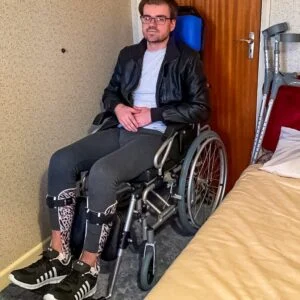
Then the Used Medical Equipment goes on sale at about a fifth of what the same item would cost new. The program’s own promotion puts the saving at up to 80 per cent. For a family facing a $2,000 wheelchair bill, that is the difference between a parent getting out of the house and a parent staying home.
The work itself is part of the point. The makerspace is an accessible downtown space where residents build skills, creativity and leadership through mentorship. Volunteers who help with refurbishment and store operations earn discounts on their monthly makerspace membership fees, and the program gives people a path toward employment while it gives families affordable gear.
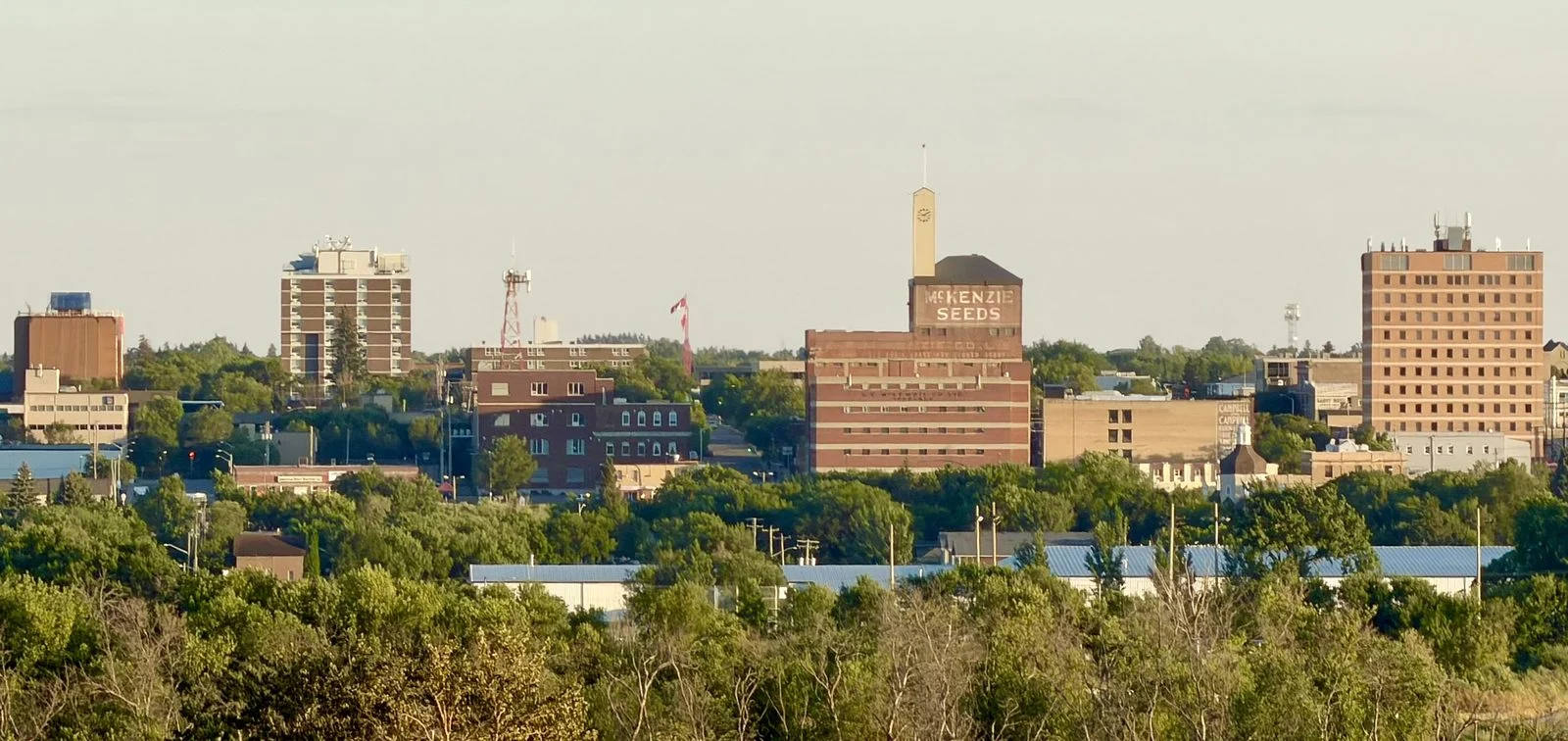
What happens to Used Medical Equipment after it is donated?
Used Medical Equipment gets checked, fixed and put back into service instead of going to the landfill. The project is building partnerships with local hospitals and care homes to secure a steady supply of donations and raise awareness of the program, so equipment that would otherwise be thrown away keeps helping people.
Karra Burney, the BNRC’s executive director, says the program is about more than cheap gear. The medical equipment restoration social enterprise at the BNRC’s Creation Nation Makerspace is about creating opportunities for people to showcase their skills and talents while returning a much-needed, affordable product to our community, she said. By restoring and repurposing medical equipment, we are supporting meaningful skill development, reducing waste, and helping ensure people can access essential equipment at a fraction of the cost of buying new.
Ted Dzogan, a BNRC board member who originated the project, put the purpose even more plainly. This program is designed to give dignified access to medical mobility equipment to those in our community that need it but also face financial limitations on accessing help, he said. This program helps people, it reduces waste, it is a medical program, it is an affordability program, it is an environmental program, but most of all it is a community building program. That is the whole idea behind the Used Medical Equipment program: skills for the people doing the work, and affordable gear for the people who need it.
What does the province get for its $100,000?
The Manitoba government announced the $100,000 investment on October 23, 2026, through the From the Ground Up, Safe Healthy Communities for ALL program. The refurbishment project, which turns donated Used Medical Equipment into affordable gear, has a total cost of $141,574. Municipal and Northern Relations Minister Glen Simard, the Brandon East MLA, made the announcement at the makerspace, and his Instagram post from the day includes a video tour of the workshop, with rows of donated wheelchairs and walkers waiting for repair.
Simard’s case for the money is that one project does several jobs at once. Programs like this work because they address diverse needs, he said. Residents gain skills, mentorship and a path to employment, while families gain access to gently used walkers, wheelchairs and other equipment at a lower cost.
The program is one of 208 community development projects the From the Ground Up program has supported across Manitoba in 2026-27, with total approved funding of more than $12 million. The BNRC serves neighbourhoods in Brandon’s core and reaches residents across the Westman region. If the model works in Brandon, there is no reason it should stop there.
Related: Federal Budget Affordability Tour Hits Brandon And Winnipeg Today 2026 — Two Stops At 1 P.m.
Frequently Asked Questions
Where is the Mobility Renewal program?
Used Medical Equipment is restored and sold at the Brandon Neighbourhood Renewal Corporation’s Creation Nation Makerspace in downtown Brandon.
How much does restored equipment cost?
Restored Used Medical Equipment sells for about a fifth of the retail price, with savings of up to 80 per cent, according to the program.
How can I donate equipment or volunteer?
The project partners with local hospitals and care homes for donations, and community members can help with refurbishment and store operations. Volunteers earn discounts on monthly makerspace membership fees for their time.
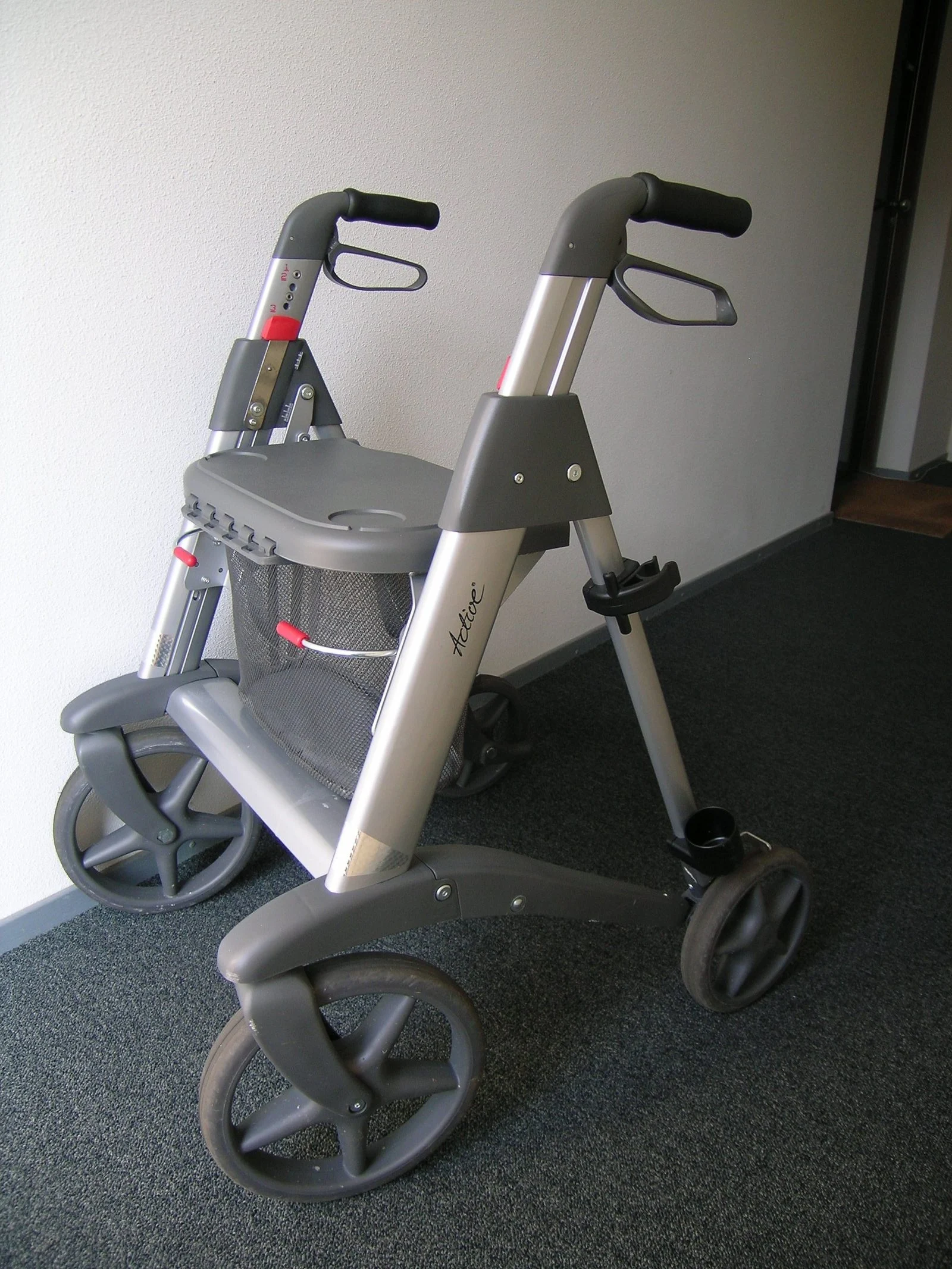
Maplestime will provide updates from the Mobility Renewal program as announcements are made.
Have a tip about the Mobility Renewal program? Email [email protected]
Have a correction? Email [email protected]
A wheelchair should never sit in a storage room while a neighbour goes without one. Is Brandon’s fix the model every Manitoba city should copy, or should the province just fund the equipment directly? Tell us in the comments. And share this with every Manitoban who has a walker or wheelchair gathering dust at home.
Enjoying Maplestime? Support independent Canadian journalism — no paywall, no corporate owners.