





Canadian business news: Canada is betting about C$100 million on defence technology, joining the NATO Innovation Fund Canada program as the 25th allied member and the first from North America, with the Business Development Bank of Canada set to manage the money.
By Maplestime Business Desk | Toronto, Ontario | November 23, 2026
Sources: Government of Canada, BusinessWire | Last updated: November 23, 2026
Quick Answer: Canada is joining the NATO Innovation Fund Canada program with a commitment of 64.59 million euros, about C$100 million, announced November 21 in Halifax. The Business Development Bank of Canada will manage the investment, and Canadian defence-tech firms gain access to patient capital, allied co-investors and government customers across 25 allied countries.
Key Takeaways:
- Defence Minister David McGuinty announced the move November 21 at the Halifax International Security Forum.
- Canada is the 25th NATO ally in the fund and the first from North America.
- The commitment is 64,590,000 euros, about C$100 million, managed by the Business Development Bank of Canada.
- The fund now holds more than 1.1 billion euros, about C$1.7 billion, backing deep tech from drones to quantum.
- The spending counts toward Canada’s NATO pledge to spend 5 percent of GDP on defence by 2035.
What Does NATO Innovation Fund Canada Membership Open Up?
For Canadian defence-tech startups, the door that just opened is not only about money. Membership gives firms access to patient capital that stays in for the long build, a co-investor network across the alliance, and allied government customers who actually buy what these companies build. That last part matters most. A startup can have a brilliant drone or a clever secure radio, but without a buyer in uniform it stays a prototype.
The fund backs deep technology: autonomous drones, secure communications, advanced materials, space, chips and quantum. More than 30 companies are already in its portfolio. Canadian firms now get to compete for a share of that backing, and to sell into allied defence markets that were harder to reach from the outside.
Related: Canada Philippines Free Trade Deal
Who Runs the Money, and Where Does It Go?
The Business Development Bank of Canada will hold and manage Canada’s investment. That is a deliberate choice. The BDC already knows the Canadian startup landscape, and putting the money with a domestic institution means Ottawa keeps a hand on which firms get championed into the allied pipeline.
Isabelle Hudon, the BDC’s President and CEO, said Canada’s participation gives entrepreneurs “more opportunities to access capital, customers and global supply chains.” It is a plain statement of the pitch: capital, customers, supply chains. For founders who have spent years hearing that Canada builds great technology and then watches it scale somewhere else, that is the promise to hold Ottawa to.
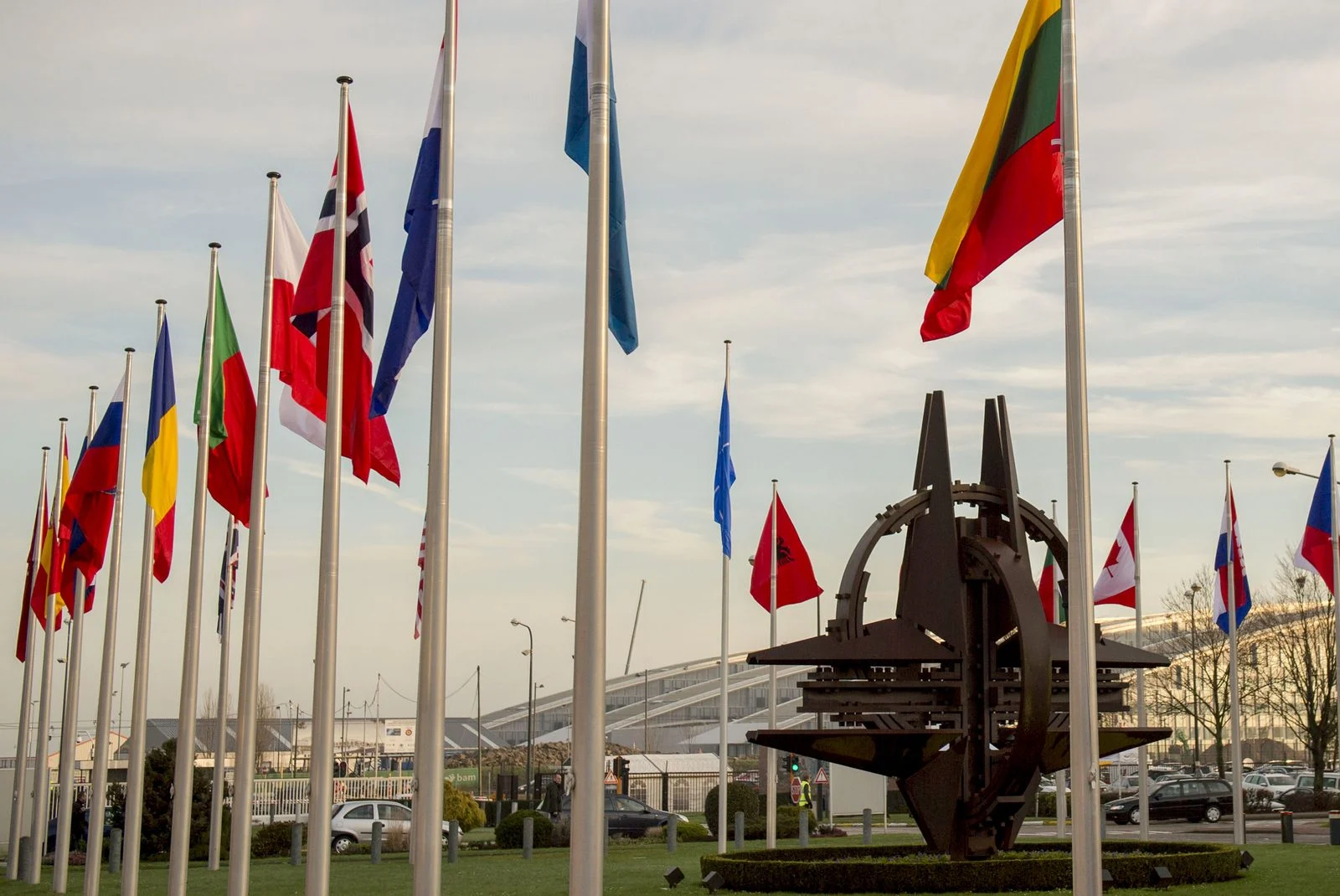
Why This Matters for Ontario Defence Firms
Ontario sits squarely in the sector this fund backs. Brampton-based MDA Space, one of Canada’s best known space and defence names, fell 10.6 percent in last week’s market selloff, a reminder that even strong Canadian firms ride rough markets. Toronto’s defence-tech startups, meanwhile, become eligible for allied capital that was out of reach a week ago.
The timing is not an accident. Canada has pledged to spend 5 percent of GDP on defence by 2035, and this commitment counts toward that target. Ottawa is signalling that defence spending is not only about buying kit. It is about building companies at home that can sell to allies abroad. The question now is which Canadian firms get picked first, and how fast the money actually moves.
Frequently Asked Questions
How much is Canada committing to the NATO Innovation Fund?
Canada is committing 64,590,000 euros, about C$100 million. The Business Development Bank of Canada will hold and manage the investment.
What kinds of companies does the fund back?
The fund backs deep tech including autonomous drones, secure communications, advanced materials, space, chips and quantum. More than 30 companies are already in its portfolio.
Does this count toward Canada’s NATO defence spending pledge?
Yes. The commitment counts toward Canada’s pledge to spend 5 percent of GDP on defence by 2035.
Maplestime will provide updates from the NATO Innovation Fund as announcements are made.
Have a tip about the NATO Innovation Fund? Email [email protected]
Have a correction? Email [email protected]
Do you think $100 million is enough to make Canada a real player in allied defence tech, or is this another announcement that sounds bigger than it is? Tell us in the comments. And share this with every Canadian watching where Ottawa spends on defence.
Enjoying Maplestime? Support independent Canadian journalism — no paywall, no corporate owners.
Discover more from MaplesTime
Subscribe to get the latest posts sent to your email.