




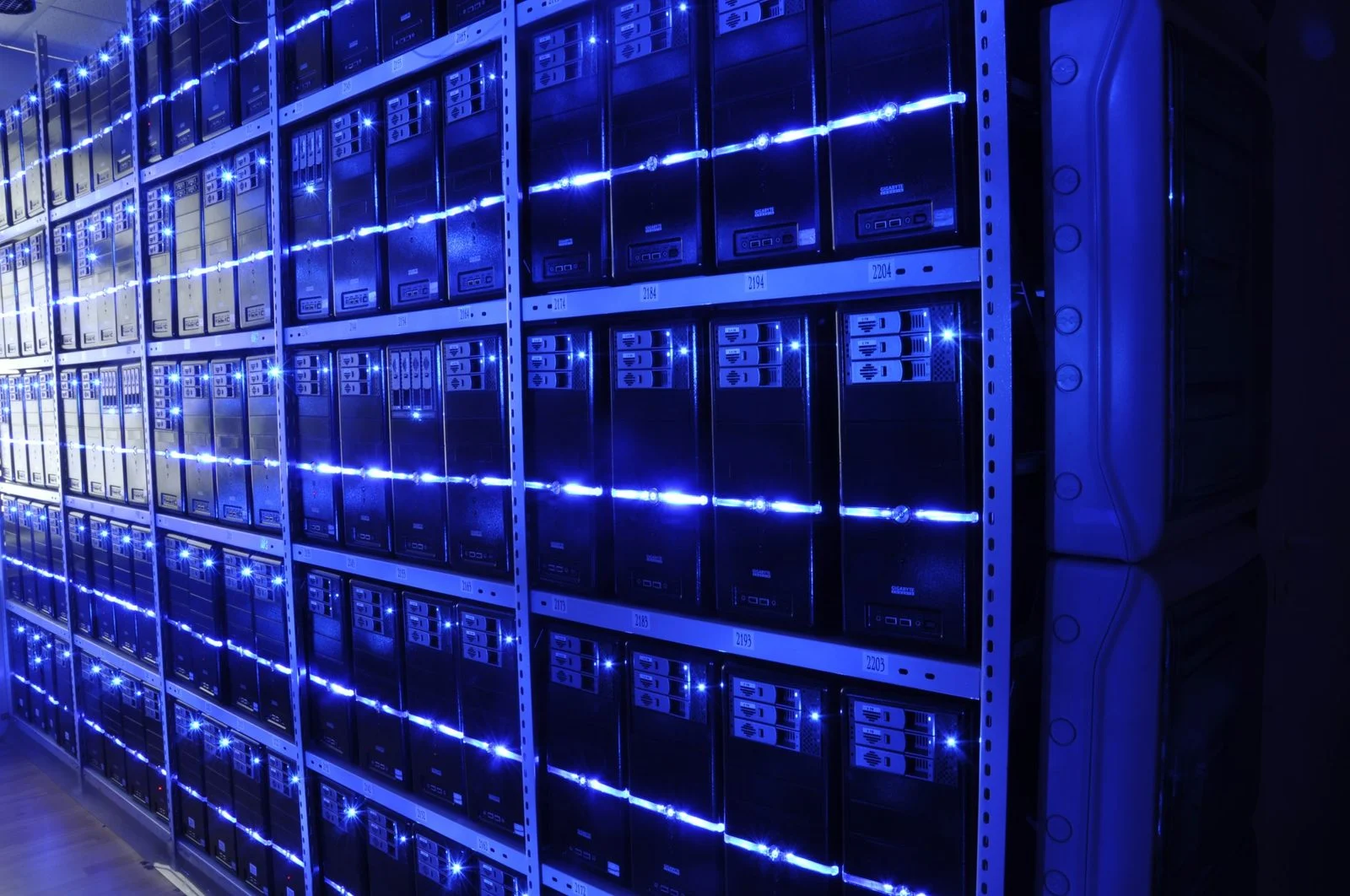
Canadian business news: Canadian AI Startups are being squeezed out of computing power, the scarcest resource in the country’s tech economy, and the world’s biggest tech companies are buying it up years before a single Canadian startup gets a chance to bid.
By Maplestime Business Desk | Toronto, Ontario | November 23, 2026
Sources: CBC, CBC via Europe Says, Kind Karma / Canadian Press | Last updated: November 23, 2026
Quick Answer: Canadian AI Startups are being squeezed because Meta, Google, and OpenAI can book data centre capacity five to ten years ahead, while Ottawa’s Budget 2026 promise of 500 megawatts of sovereign AI compute has no firm timeline and no pricing or access rules decided yet.
Key Takeaways:
- Budget 2026 promises 500 megawatts of sovereign AI compute for Canadian firms, but there is no firm timeline and pricing and access rules are undecided.
- Sean Mullin of the University of Toronto’s Munk School said hyperscalers can buy up capacity for five to 10 years into the future.
- Ottawa is reviewing more than 160 data centre proposals, according to CBC analysis.
- Meta plans a one gigawatt data centre northeast of Edmonton, its first in Canada, and Anthropic signed a 20 year lease for a 95 megawatt Nova Scotia facility.
- Ottawa also announced in October it would invest up to $1.6 billion in Toronto based AI company Cohere.
What Canadian AI Startups Compute Access Really Means
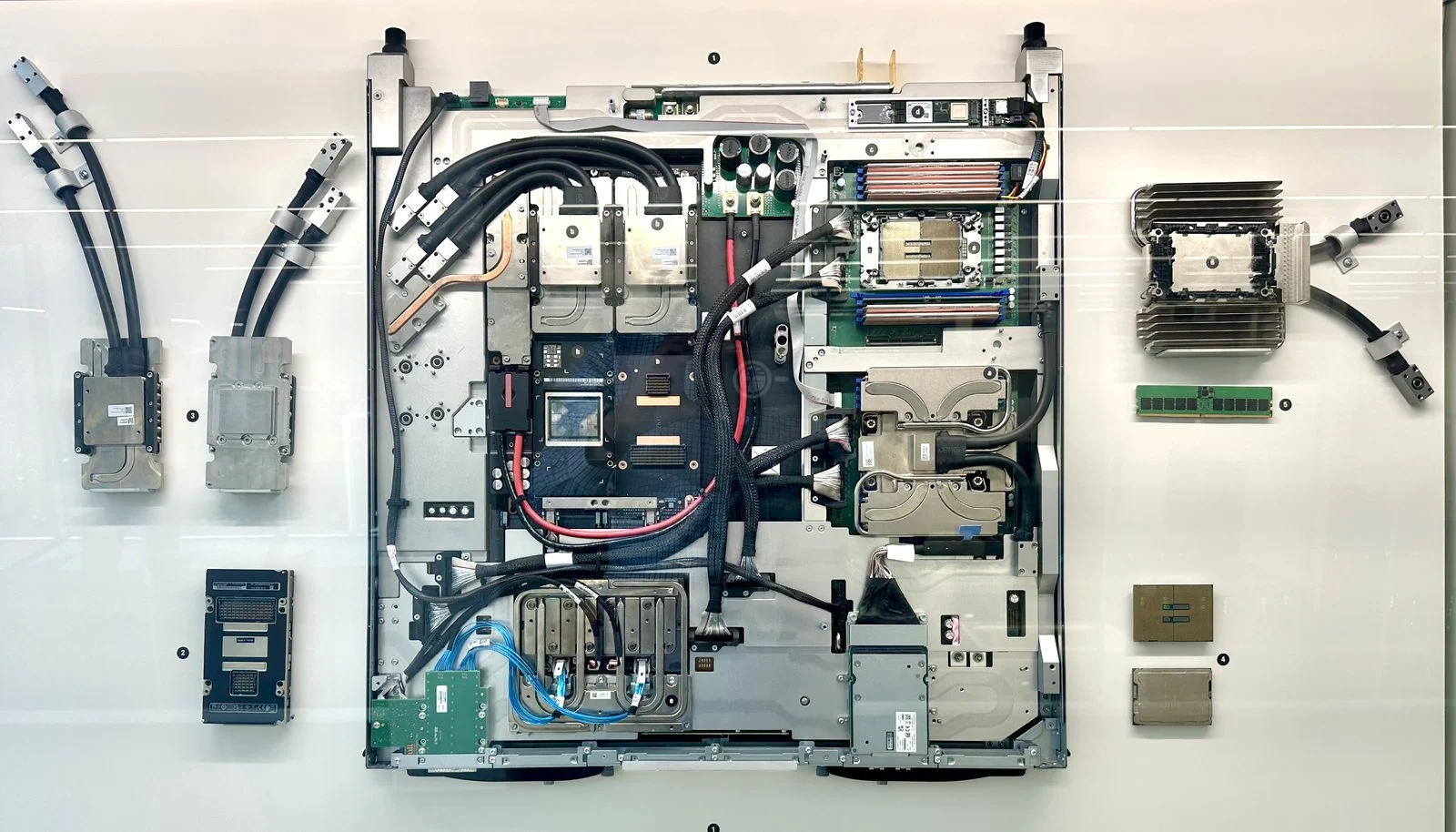
Artificial intelligence runs on computing power, and lots of it. Training and running AI models needs vast halls of specialized chips, cooled and powered around the clock, and the companies that own that capacity decide who gets to build the next generation of software. For a Canadian startup, that means the difference between shipping a product and watching a foreign rival ship it first.
Sean Mullin, a senior fellow at the University of Toronto’s Munk School who helped launch Canada’s sovereign AI compute strategy, put the problem plainly. Meta, Google, and OpenAI are desperate for compute, he said, and hyperscalers can buy up capacity for five to 10 years into the future. A startup that needs a contract next quarter cannot compete with a buyer booking a decade ahead.
Related: Ontario Cohere Government Stake
Why Does Data Staying in Canada Matter?
For some Canadian AI companies, this is not just about price. It is about the law. Al Vigier, CEO of Vancouver based Caseway, which builds AI tools for courts, law firms, and defence clients, said many of his clients require data to stay in Canada under Canadian law. That option does not exist in Canada at the moment, he said, so some clients simply will not use the company’s AI offerings.
That is the sovereignty gap in one sentence. Canadian firms are building products for Canadian institutions, and the infrastructure to run them at home is not there yet. Until it is, those companies either send data abroad, which their clients will not allow, or they lose the business.
What Has Ottawa Actually Promised?
Budget 2026 promises 500 megawatts of sovereign AI compute to help Canadian AI firms access processing power at home, using financial backstops and offtake agreements. But there is no firm timeline, and pricing and access rules have not been decided. Companies using the capacity are expected to pay market based rates, which raises an obvious question. If startups pay market rates anyway, what exactly does sovereign compute change for them?
Ottawa is reviewing more than 160 data centre proposals, per CBC analysis, so the pipeline of projects is not the problem. The problem is who gets the power first. Meta announced plans this year for its first Canadian data centre, a one gigawatt project northeast of Edmonton. In October, Anthropic signed a 20 year lease for the first 95 megawatt phase of a Nova Scotia data centre that EverWind Fuels will build and own. The giants are moving. The startups are waiting.
Is the Cohere Investment a Sign of Change?
In October, Ottawa also announced it would invest up to $1.6 billion in Toronto based AI company Cohere, a bet on a homegrown champion with the scale to matter. It is a serious commitment, and it shows Ottawa understands the stakes. But one champion does not fix a market where dozens of smaller firms cannot get the computing power they need to compete.
The real test of Budget 2026 will not be the announcement. It will be the first startup that signs a contract for sovereign compute at a price it can afford, on a timeline it can plan around. Until that happens, Canada is building the data centres of the future while its own AI companies watch from the sidelines.
The graphic above, posted by The Ontario Post on November 21 and credited to CBC News, headlines the same squeeze: Big Tech’s AI compute demand is crowding out Canadian startups at home.
Frequently Asked Questions
What is sovereign AI compute?
It is computing power located in Canada and governed under Canadian law, so Canadian companies and institutions can run AI workloads without sending sensitive data abroad.
When will the 500 megawatts be available?
There is no firm timeline yet, and Ottawa has not decided pricing or access rules for the capacity promised in Budget 2026.
Why can’t startups just buy compute like anyone else?
Hyperscalers like Meta, Google, and OpenAI can book capacity five to 10 years ahead, leaving little available supply for smaller buyers who need contracts now.

Maplestime will provide updates from sovereign AI compute in Canada as announcements are made.
Have a tip about sovereign AI compute? Email [email protected]
Have a correction? Email [email protected]
Do you think Ottawa’s 500 megawatt promise will ever reach a Canadian startup, or will Big Tech swallow every watt first? Tell us in the comments. And share this with every Canadian who wants our AI future built at home.
Enjoying Maplestime? Support independent Canadian journalism — no paywall, no corporate owners.
Discover more from MaplesTime
Subscribe to get the latest posts sent to your email.