




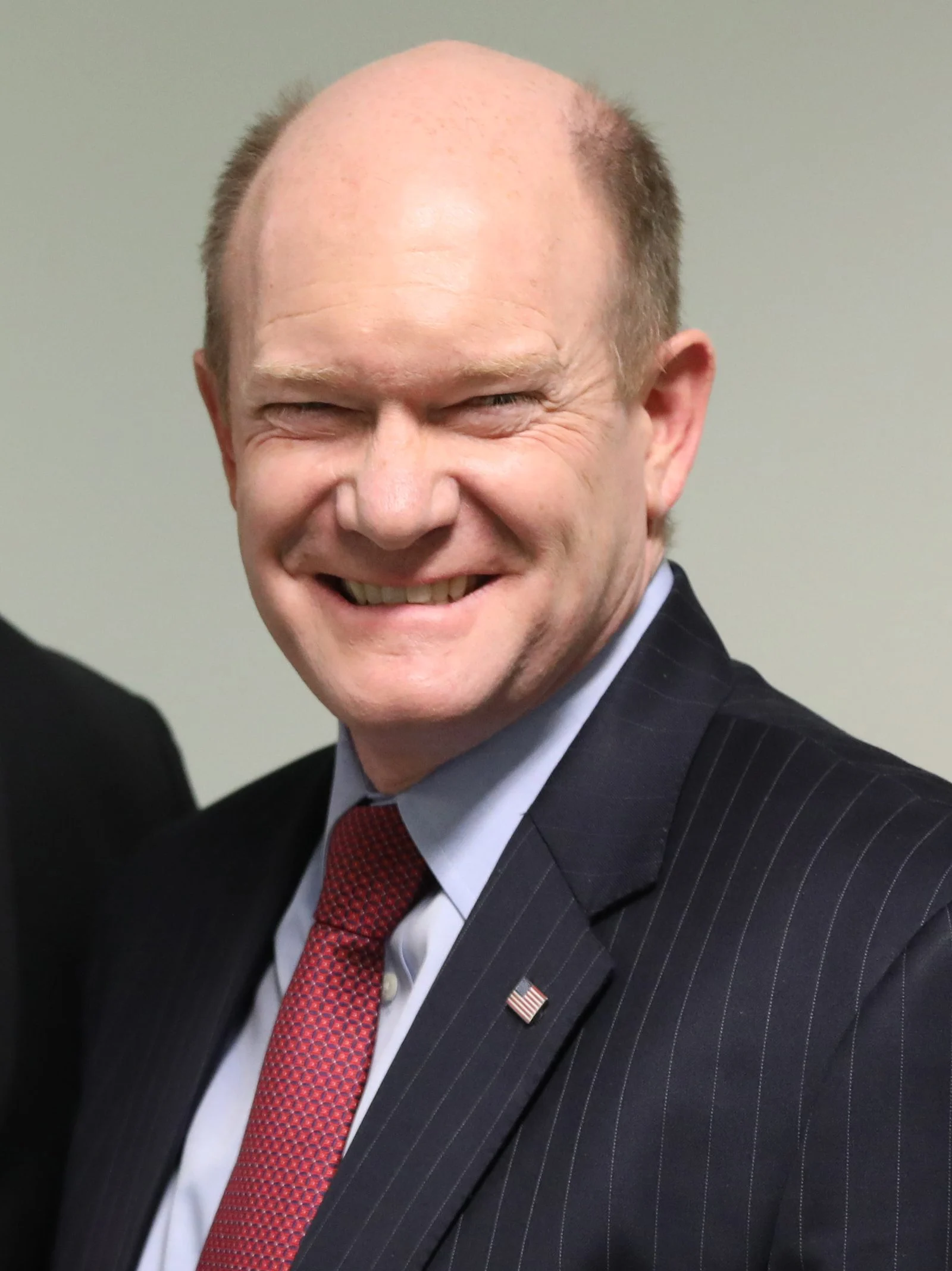
Canadian business news: a top U.S. Democrat with a Senate gavel in his near future is telling Canada to grab the Interim Tariff Deal Canada has on the table now and fight for a better one later, as Ottawa races a year-end clock on punishing American duties.
By Maplestime Business Desk | Toronto, Ontario | November 23, 2026
Sources: CBC via Europe Says, CBC via Europe Says, Trari CBC video page | Last updated: November 23, 2026
Quick Answer: Senator Chris Coons says Canada should take an Interim Tariff Deal Canada can improve later, arguing Democrats will legislate a better long-term pact after taking Congress in January. Ottawa wants Section 232 tariffs lowered and Section 338 duties removed by year end, before threatened auto tariff hikes take effect January 1, 2027.
Key Takeaways:
- Sen. Chris Coons of Delaware is expected to chair the Senate Foreign Relations Committee when Democrats take Congress in January.
- Coons told CBC’s Power and Politics on November 20: “Frankly, if you can get an interim deal, I’d take it, and then put it to us in the new majority to legislate an even better deal for the long term.”
- Section 338 tariffs impose 50 percent on about US$20 billion of Canadian goods, with no CUSMA exemption, in force since August 22, 2026.
- Trade Minister Dominic LeBlanc says Ottawa is seeking an interim deal by year end, with Section 232 tariffs lowered and Section 338 removed entirely.
- U.S. auto tariffs are threatened to rise to 50 percent on January 1, 2027, from 25 percent under Section 232.
What Would the Interim Tariff Deal Canada Takes Actually Change?
The deal Ottawa is chasing is interim in name and real in effect. Under it, Section 232 tariffs on steel, aluminum, auto and lumber would come down, and Section 338 duties would be removed entirely. Some tariffs would likely remain, LeBlanc has been clear about that, but the worst of the squeeze would ease, and an interim deal would likely kickstart formal CUSMA review talks.
That is the trade Coons is urging Canada to make: take relief now, then let a new Democratic majority in Congress legislate something better for the long term. It is an unusually blunt message from a man about to hold one of the most powerful foreign policy chairs in Washington, and it amounts to an admission that the current White House is not going to give Canada the deal it wants.
Related: Ford Tariffs Here for Good Ontario
Why the Clock Matters for Ontario Autos
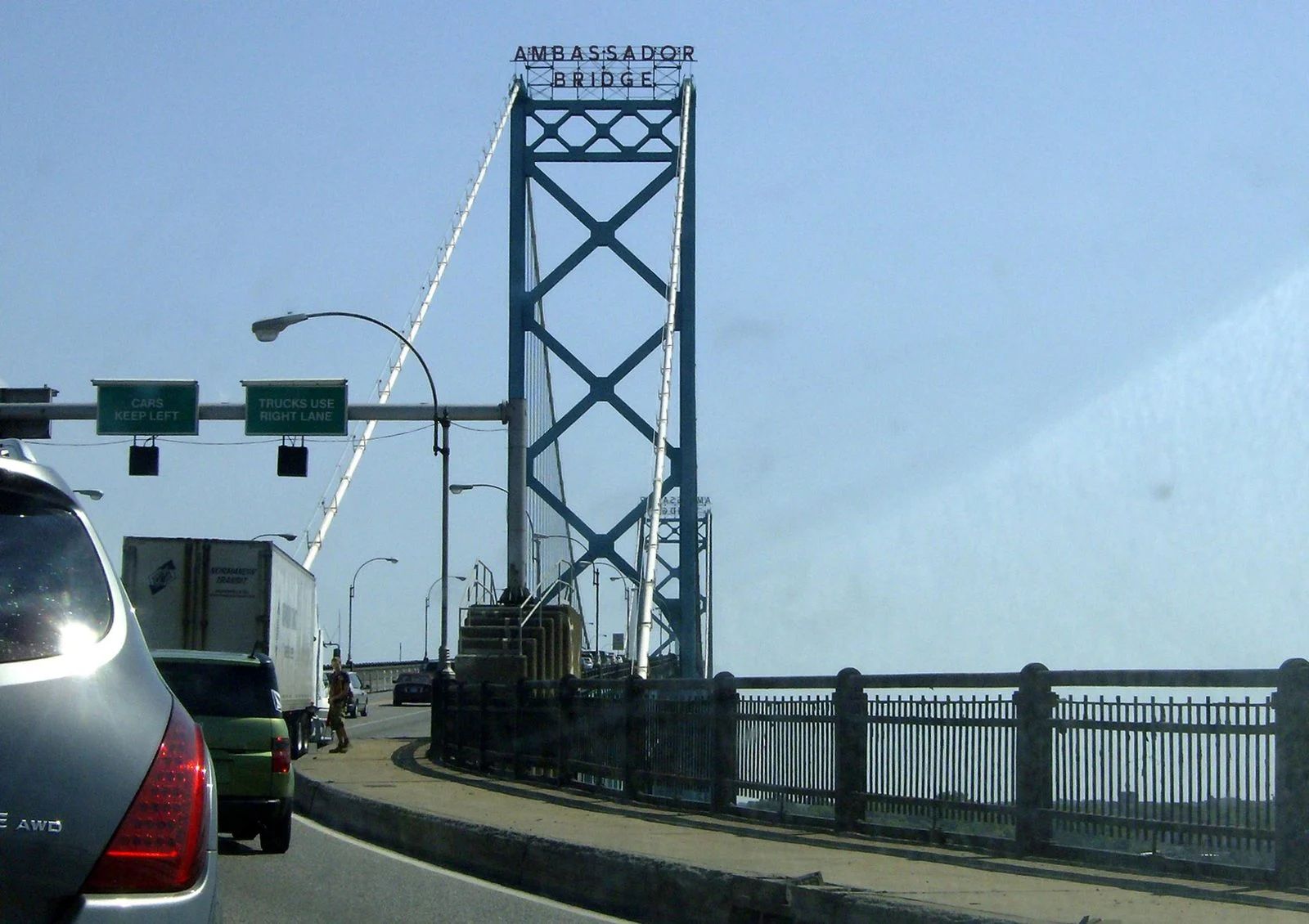
Ontario is where this fight lands hardest. Section 338 tariffs already hit about US$20 billion of Canadian goods at 50 percent: furniture, electronics, industrial machinery, clothing, sporting equipment, dairy, alcohol and vehicles. There is no CUSMA exemption. Now Ottawa is pressing ahead of a threatened January 1, 2027 increase in U.S. auto tariffs to 50 percent, up from 25 percent under Section 232.
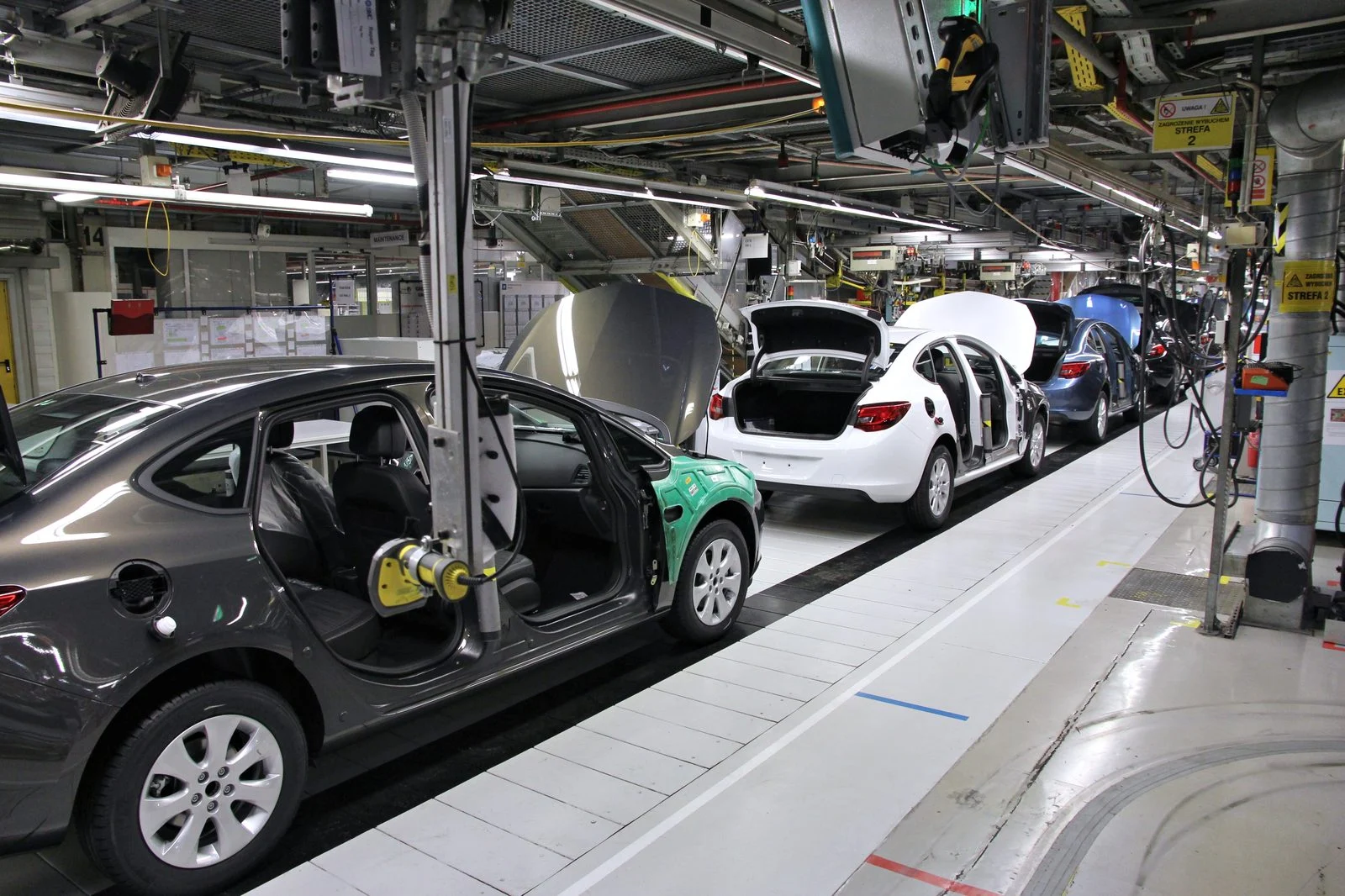
For auto towns across southern Ontario, that deadline is not abstract. Every point of tariff is margin stripped from a plant, a shift cut, a supplier squeezed. An interim deal by year end would not end the trade war, but it would stop the bleeding from getting worse on New Year’s Day.
What Stands in the Way?
Coons himself flagged the biggest obstacle. In a separate interview with CBC Radio’s The House airing Saturday, November 21, he warned that lawmakers from steel-producing states would likely oppose removing steel and aluminum duties. But he called the Section 232 tariffs on Canada “an insult to Canada. They should be removed.” That is strong language from a senator who will need those same colleagues’ votes.
And then there is the White House. President Trump said Friday, November 20, that he would veto Democratic tariff legislation. So even if Coons is right that a new Congress could legislate a better deal, the path runs straight through a presidential veto. Canada is being asked to bet that the politics shift before the tariffs do.
Frequently Asked Questions
What are Section 338 tariffs?
Section 338 tariffs under the Tariff Act of 1930 impose 50 percent on about US$20 billion of Canadian goods, including furniture, electronics, industrial machinery, clothing, sporting equipment, dairy, alcohol and vehicles. They have been in force since August 22, 2026, with no CUSMA exemption.
What is Ottawa trying to get in an interim deal?
Trade Minister Dominic LeBlanc says Ottawa wants Section 232 tariffs lowered and Section 338 removed entirely by year end, though some tariffs will likely remain. An interim deal would likely kickstart formal CUSMA review talks.
Why does Senator Coons matter here?
Coons of Delaware is expected to chair the Senate Foreign Relations Committee when Democrats take Congress in January, which would put him at the centre of any legislated fix to the tariff fight.
Maplestime will provide updates from the Canada-U.S. tariff talks as announcements are made.
Have a tip about the Canada-U.S. tariff talks? Email [email protected]
Have a correction? Email [email protected]
Should Canada take the interim deal now and trust Washington to fix it later, or hold out and risk the January auto tariff hike? Tell us in the comments. And share this with every Canadian watching the trade war hit Ontario jobs.
Enjoying Maplestime? Support independent Canadian journalism — no paywall, no corporate owners.
Discover more from MaplesTime
Subscribe to get the latest posts sent to your email.