




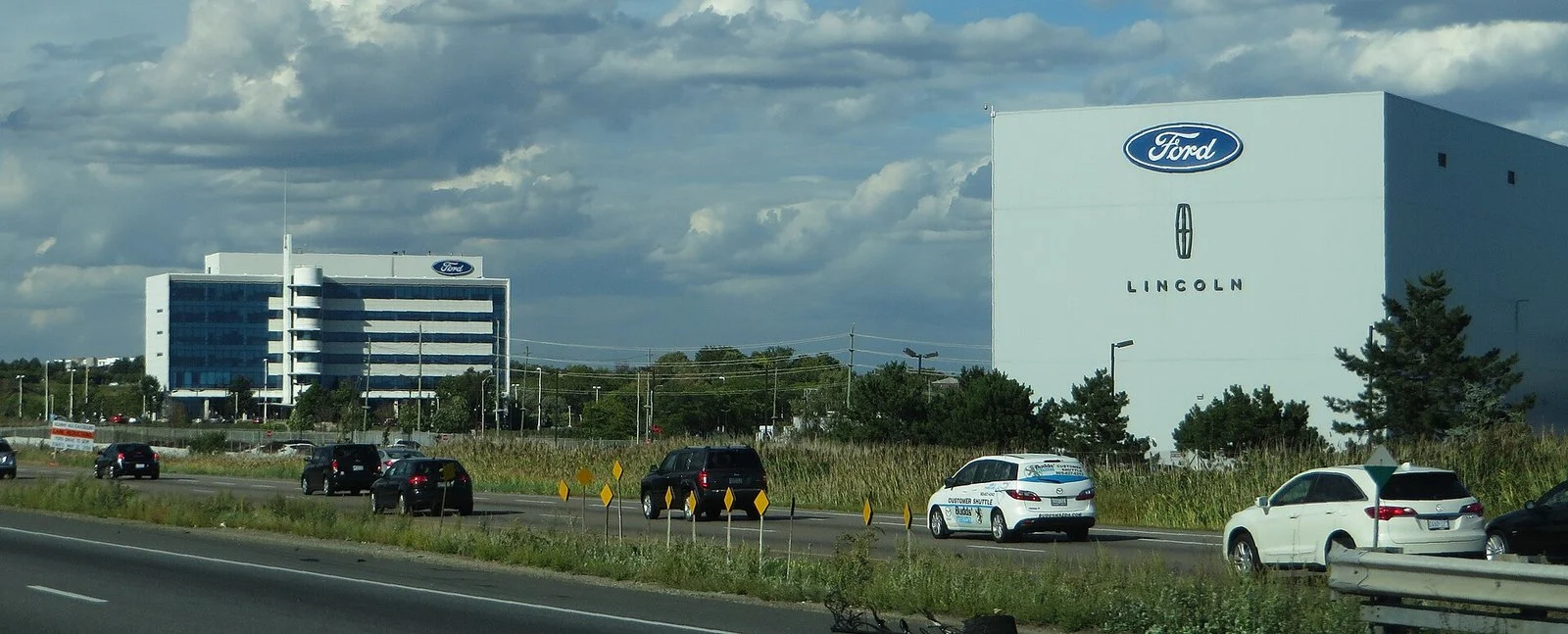
Ontario business news: Ford Oakville is building trucks again. After two years dark and nearly $5 billion in retooling, the Oakville Assembly Complex officially roared back to life on Friday, and the first Super Duty trucks are already rolling off the line ahead of schedule.
By Maplestime Business Desk | Oakville, Ontario | November 21, 2026
Sources: The Canadian Press, Innovation, Science and Economic Development Canada, Unifor | Last updated: November 21, 2026
Quick Answer: Ford Oakville officially relaunched on November 20, 2026, after a two-year shutdown and a retool costing nearly $5 billion. The plant now builds F-Series Super Duty trucks, with more than 2,000 employees returning to work and capacity for up to 100,000 additional vehicles a year.
Key Takeaways
- The plant was idled in May 2024. The retool was originally planned as a $1.8 billion EV hub, then pivoted to Super Duty trucks.
- The federal government put in $464.5 million through the Strategic Response Fund, and the Government of Ontario contributed $464 million.
- Ford began shipping trucks two weeks ahead of schedule. The plant built 3,488 trucks in October, up from 300 in September, and the first trucks rolled off the line in April 2026.
- Canadian-made vehicles face a 25 percent US tariff, minus US content, and President Donald Trump threatened in August to hike tariffs on Canadian vehicles, parts and steel to 50 percent on January 1.
How Did Ford Oakville Get Here?
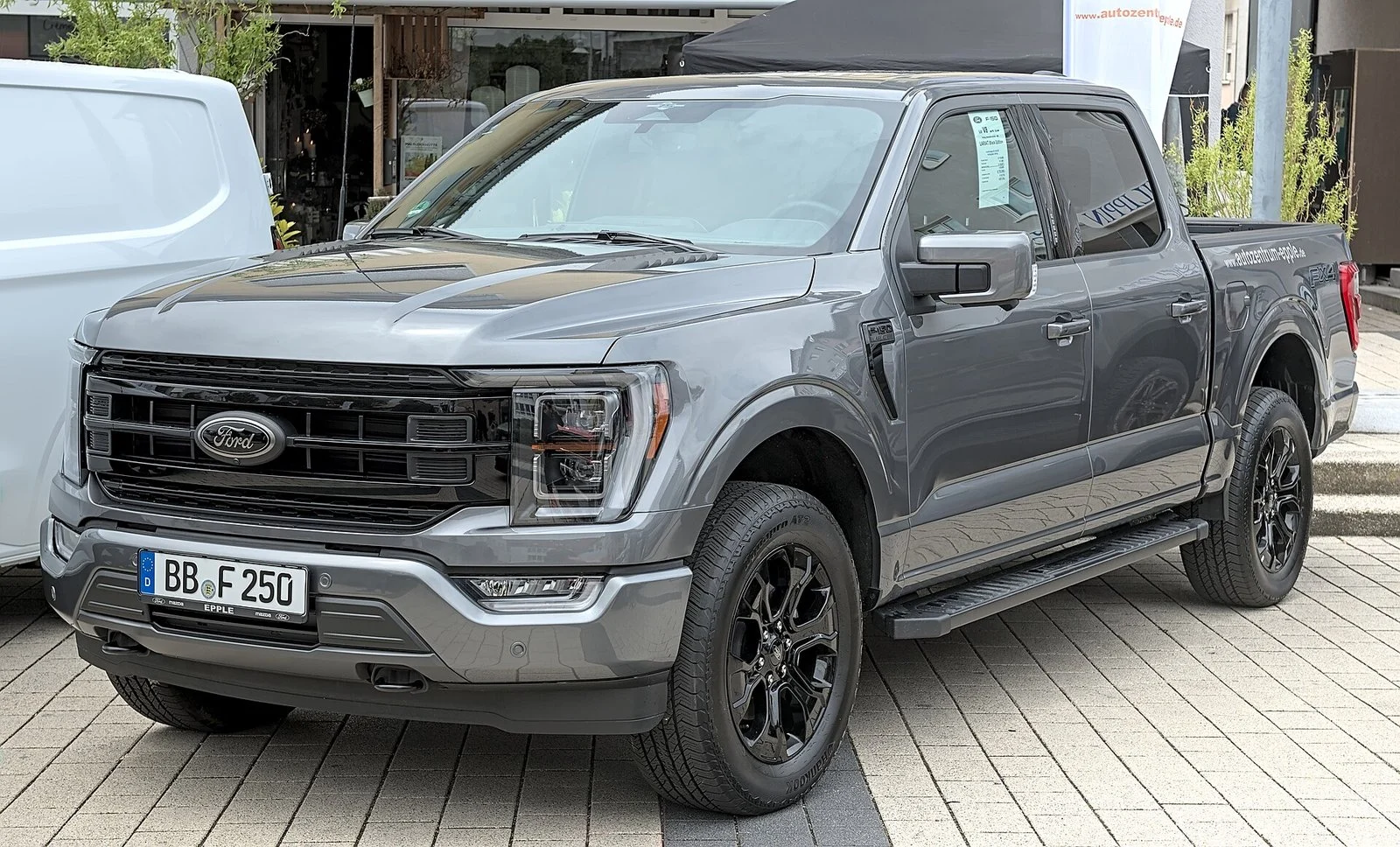
The plant went quiet in May 2024, and the original plan was a different future entirely: a $1.8 billion electric vehicle hub. That plan was scrapped, and Ford announced in July 2024 that the plant would build Super Duty pickups instead, the F-250, F-350 and F-450. The work grew into something far bigger: nearly $5 billion, including construction of Ford’s first stamping plant in Canada. Ford of Canada president and CEO Bev Goodman said the plant was effectively taken “down to the studs.”
“It was absolutely immense… We did take it down to the studs effectively. Everything that was in the plant came out,” Goodman said.
The money behind the rebuild was a team effort: $464.5 million from the federal government through the Strategic Response Fund, and $464 million from the Government of Ontario. The federal release was corrected from $294.6 million to $464 million. The project supports more than 2,000 direct jobs in Oakville and 7,000 jobs across Canada, with capacity for up to 100,000 additional vehicles a year.
What Does the Ford Oakville Reopening Mean for Ontario?
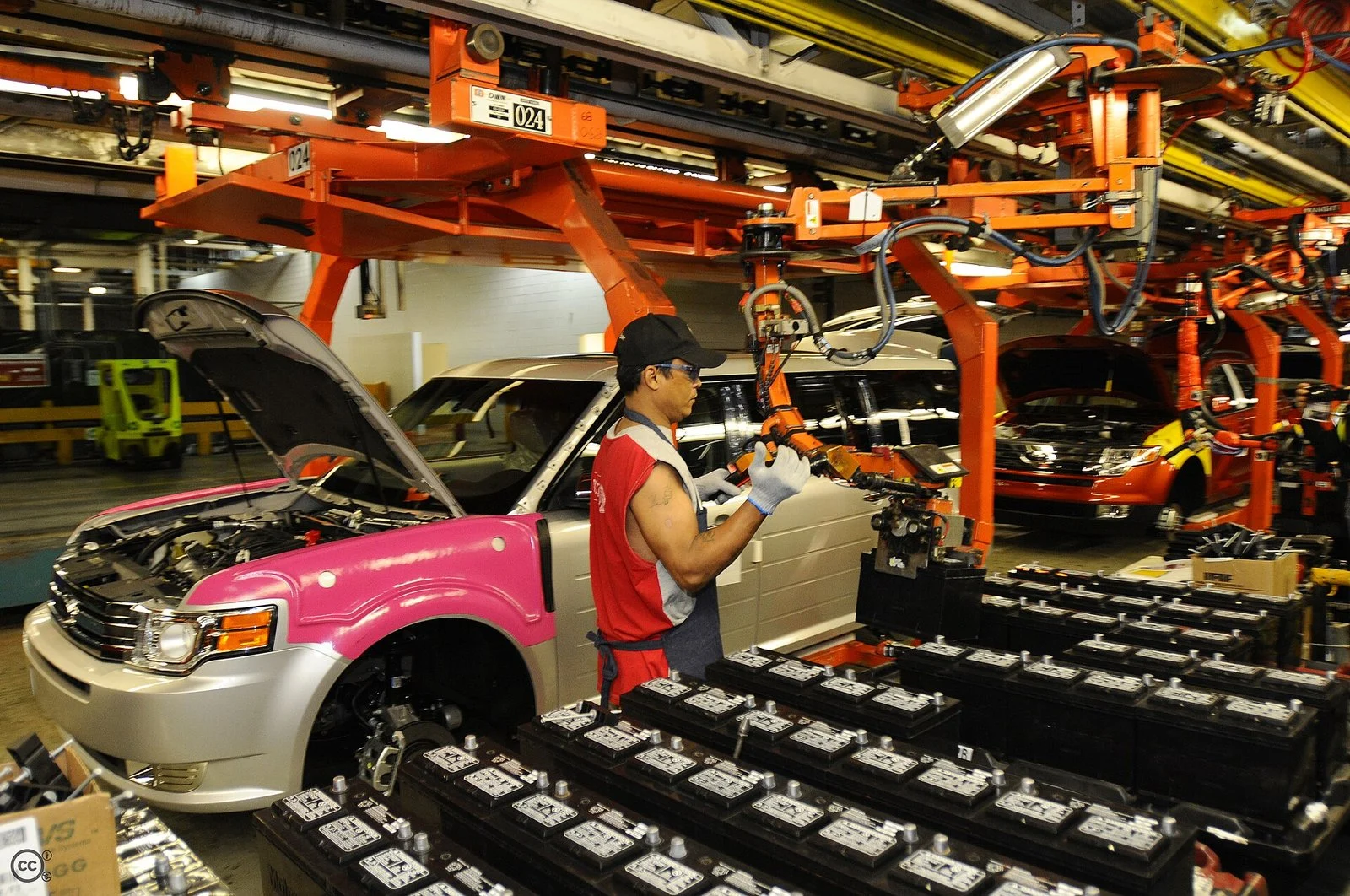
More than 2,000 plant employees are returning to work, and the ramp-up is already visible. Ford began shipping trucks two weeks ahead of schedule. The plant built 3,488 trucks in October, up from 300 in September, and the first trucks rolled off the line in April 2026. This was not a ribbon cutting for a plant still finding its feet. It was a launch for a line already running.
Premier Doug Ford, federal Industry Minister Melanie Joly, and Unifor national president Lana Payne all attended the Friday reopening ceremony, and the mood was celebratory. “We’re here to celebrate a true ‘Team Canada’ win, with all levels of government working together with a world-class company to overcome obstacles and build for the future,” Premier Ford said. Joly was blunter about what the plant represents: “Canada is an auto nation, now and into the future.”
Related: Carney Announces Ford Steel and Auto Tariff Measures
For Unifor, the day carried a different weight. “This is truly a day of celebration. What has happened here in Oakville is nothing short of an industrial rebirth,” said Lana Payne, Unifor national president. Ford of Canada employs more than 7,000 people in Canada, and the auto sector supports over 120,000 direct jobs and contributed $17.1 billion to GDP in 2025. Oakville is now the third Super Duty site, alongside Ford plants in Kentucky and Ohio.
What Is the Tariff Cloud Over the Celebration?
The celebration comes with a number nobody at the ceremony could ignore. Vehicles made in Canada currently face a 25 percent US tariff, minus US content. President Donald Trump threatened in August to hike tariffs on Canadian vehicles, parts and steel to 50 percent on January 1. That would change the economics of every truck rolling out of Oakville.
For now, the trucks are moving, the workers are back, and the plant is ahead of schedule. The test comes in January, when the tariff threat either lands or does not. Oakville has done its part. The next move belongs to Washington.
Read more: Stellantis Brampton talks continue as a European executive flies in and Carney says no U.S. trade deal without a viable Canadian auto sector.
Frequently Asked Questions
What trucks does the Ford Oakville plant build?
The plant builds F-Series Super Duty pickup trucks, the F-250, F-350 and F-450. It is the third Super Duty site, alongside Ford plants in Kentucky and Ohio.
How many jobs does the reopening support?
More than 2,000 plant employees are returning to work. The project supports more than 2,000 direct jobs in Oakville and 7,000 jobs across Canada.
How much did the retool cost, and who paid for it?
The retool cost nearly $5 billion. The federal government contributed $464.5 million through the Strategic Response Fund, and the Government of Ontario contributed $464 million.
Maplestime will provide updates from the Ford Oakville plant reopening as announcements are made.
Have a tip about the Ford Oakville plant reopening? Email [email protected]
Have a correction? Email [email protected]
Is the Ford Oakville reopening proof that Canadian auto manufacturing can thrive under tariffs, or is it one January announcement away from trouble? Tell us in the comments. And share this with every Canadian following Ontario jobs and the auto industry this weekend.
Enjoying Maplestime? Support independent Canadian journalism — no paywall, no corporate owners.