




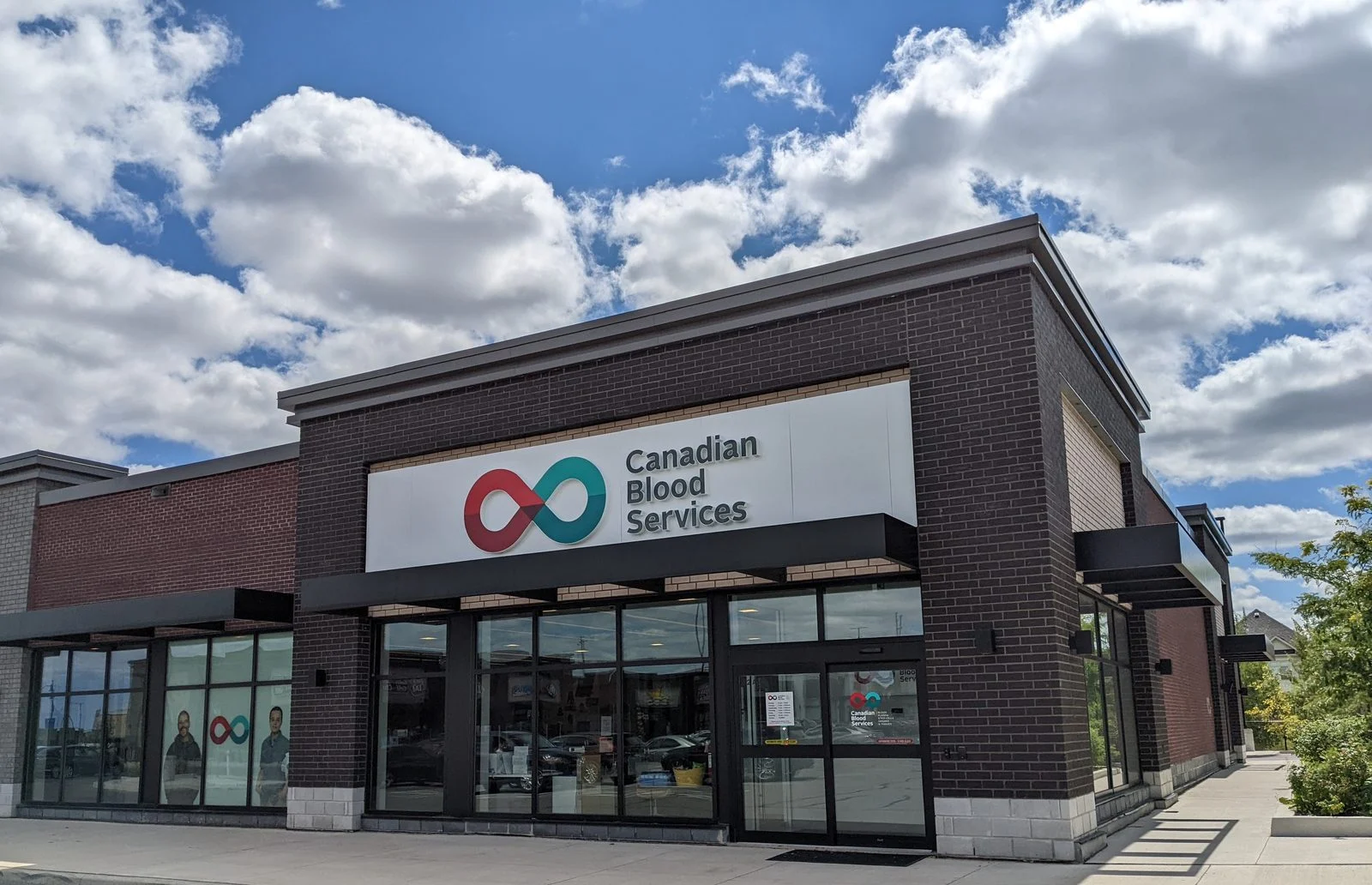
Manitoba health news — Health Canada has suspended the plasma-collection licence at Grifols’ Winnipeg facility at 693 Taylor Avenue over quality-management failures uncovered after two donor deaths, including 22-year-old Rodiyat Alabede, who went into cardiac arrest during a donation on October 25, 2025. The agency found no link between the deaths and the collection process — and it suspended the licence anyway.
By Maplestime News Desk | Winnipeg, Manitoba, Canada | September 24, 2026
Sources: The Canadian Press, Reuters | Last updated: September 24, 2026
Key Takeaways
- The suspension: Health Canada pulled the plasma-collection licence at Grifols’ 693 Taylor Ave centre in Winnipeg, citing quality-management failures.
- Two deaths: Rodiyat Alabede, 22, died of cardiac arrest during a donation on October 25, 2025; a second donor died in January 2026. The agency found no link between the deaths and the collection process.
- A long runway: Health Canada first warned the company in November 2025 and formally proposed the suspension on August 13, 2026.
- The company’s position: Grifols had already voluntarily paused all its Canadian centres in August, blaming “unfounded attention” on paid plasma; it says the suspension has no operational impact and a retraining plan is underway.
- New ownership: Grifols acquired full Canadian ownership of its plasma operations on September 1, 2026.
- Manitoba weighs in: Health Minister Uzoma Asagwara says all options are on the table — including a ban on paid plasma in the province.
What Happened at the Grifols Winnipeg Plasma Centre
Rodiyat Alabede was 22 when she walked into the Grifols plasma centre at 693 Taylor Avenue last October to donate. She never walked out — she suffered cardiac arrest during the donation and died. Then, in January 2026, a second donor died. Health Canada’s investigators found no link between either death and the plasma-collection process itself. But what they did find, the agency says, were quality-management failures serious enough to cost the company its licence.
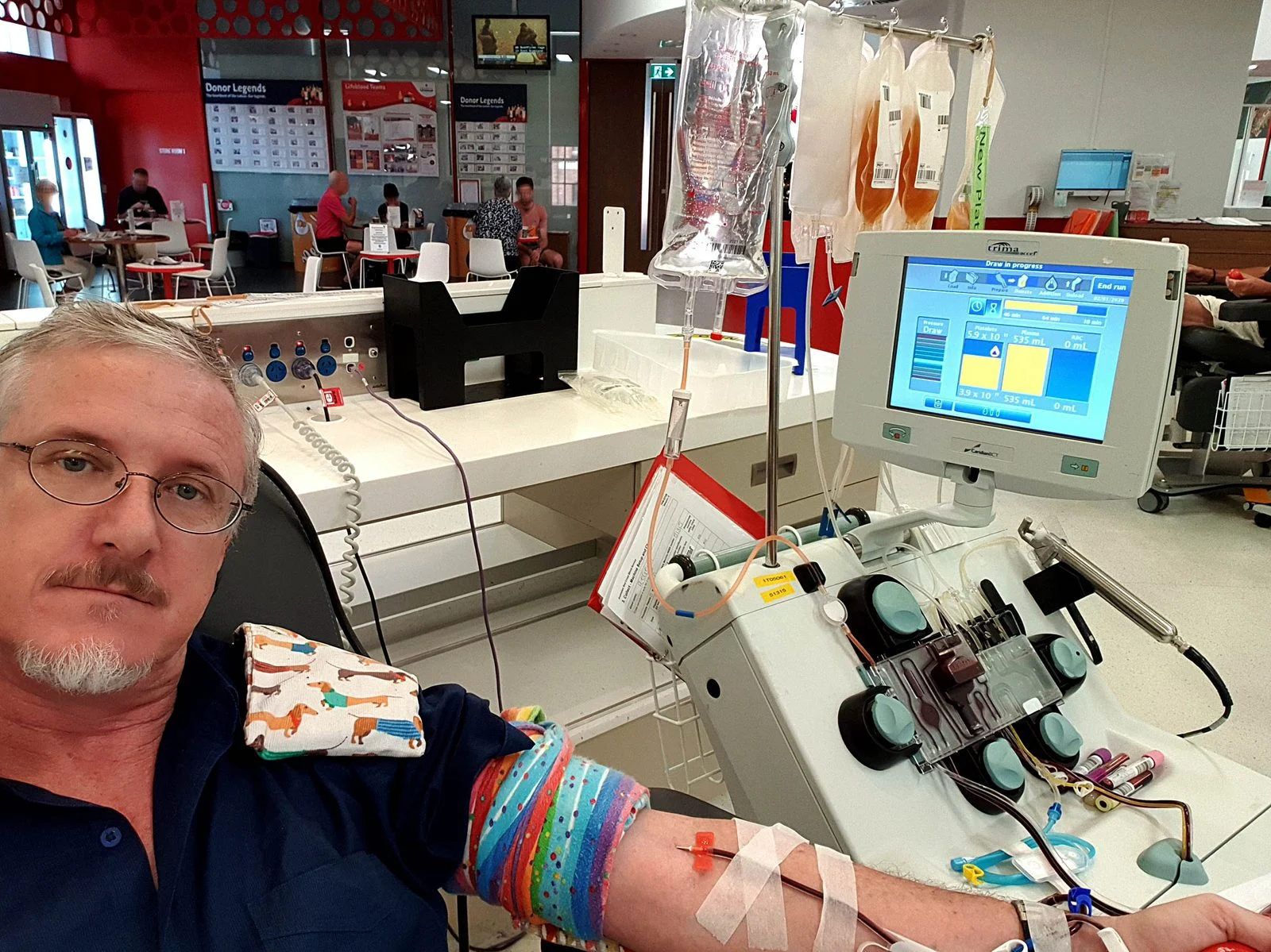
This was not a snap decision. Health Canada first flagged concerns to Grifols in November 2025, one month after Alabede’s death. It then formally proposed suspending the licence on August 13, 2026 — and now the suspension has landed.
Grifols’ Response: Pause, Then Retrain
Grifols got ahead of the story in August, voluntarily pausing operations at all of its Canadian centres and pointing the finger at what it called “unfounded attention” on paid plasma. The company insists the suspension has no operational impact on its Canadian business and says a retraining plan is underway.
Worth noting: Grifols only just acquired full Canadian ownership of its plasma operations on September 1, 2026. The new owners are inheriting a licence suspension, a retraining order, and a public debate about whether people should be paid for their blood plasma at all.
Manitoba Eyes a Ban on Paid Plasma
That last question is now sitting on the desk of Manitoba Health Minister Uzoma Asagwara, who says all options are on the table — including banning paid plasma in the province. Ontario and Quebec already ban it. The paid-plasma business has always been the moral fault line in Canadian blood policy: critics say it exploits the poor; operators say it keeps supply flowing.

Two young donors are dead. The collection process didn’t kill them, by the regulator’s own finding — but a regulator doesn’t suspend a licence for nothing. Whatever the quality failures were, they were bad enough that Health Canada took ten months to build the case and then pulled the plug.
Maplestime will provide updates from this story as new announcements are made.
Have a tip about this story? Email [email protected]
Have a correction? Email [email protected]
Should Manitoba ban paid plasma outright — or is this really a story about regulators who took ten months to act on quality failures at a centre where two donors died? Tell us in the comments. And share this with every Canadian who has ever rolled up a sleeve to donate.
Enjoying Maplestime? Support independent Canadian journalism — no paywall, no corporate owners.