



Manitoba energy news: the board that spent six weeks picking apart Manitoba Hydro Brandon’s $3 billion plan for Brandon has come back with a much smaller answer, one new turbine instead of three, and the province is sitting on the report.
The Manitoba Public Utilities Board recommends Manitoba Hydro Brandon build one new gas turbine at the Brandon Generating Station, not the three the utility proposed, Premier Wab Kinew confirmed on November 13. The board delivered its report to the province on November 9, but neither the board nor the government has released it, and no release date has been promised.
By Maplestime News Desk | Winnipeg, Manitoba | November 14, 2026
Sources: CBC News, CTV News Winnipeg, Province of Manitoba, Manitoba Public Utilities Board hearing transcript | Last updated: November 14, 2026
Key Takeaways
- The Public Utilities Board recommends one new gas turbine at the Brandon Generating Station, not the three Manitoba Hydro proposed.
- Hydro’s proposal is about $3 billion for 750 MW, aimed at in service by 2030 to cover a projected 600 MW drought year shortfall.
- The board delivered its recommendations to the province on Monday, November 9, but the report has not been released publicly.
- Consumer groups say Hydro’s demand projections are too high and its cost estimates are outdated, with GE Vernova turbine prices up 50 percent in 2026.
- Hearing experts suggested only one turbine is needed, while environmental groups said none are required.
- Kinew’s cabinet can accept, modify or reject the board’s advice, and no decision has been announced.
What does Manitoba Hydro Brandon need, and why only one turbine?
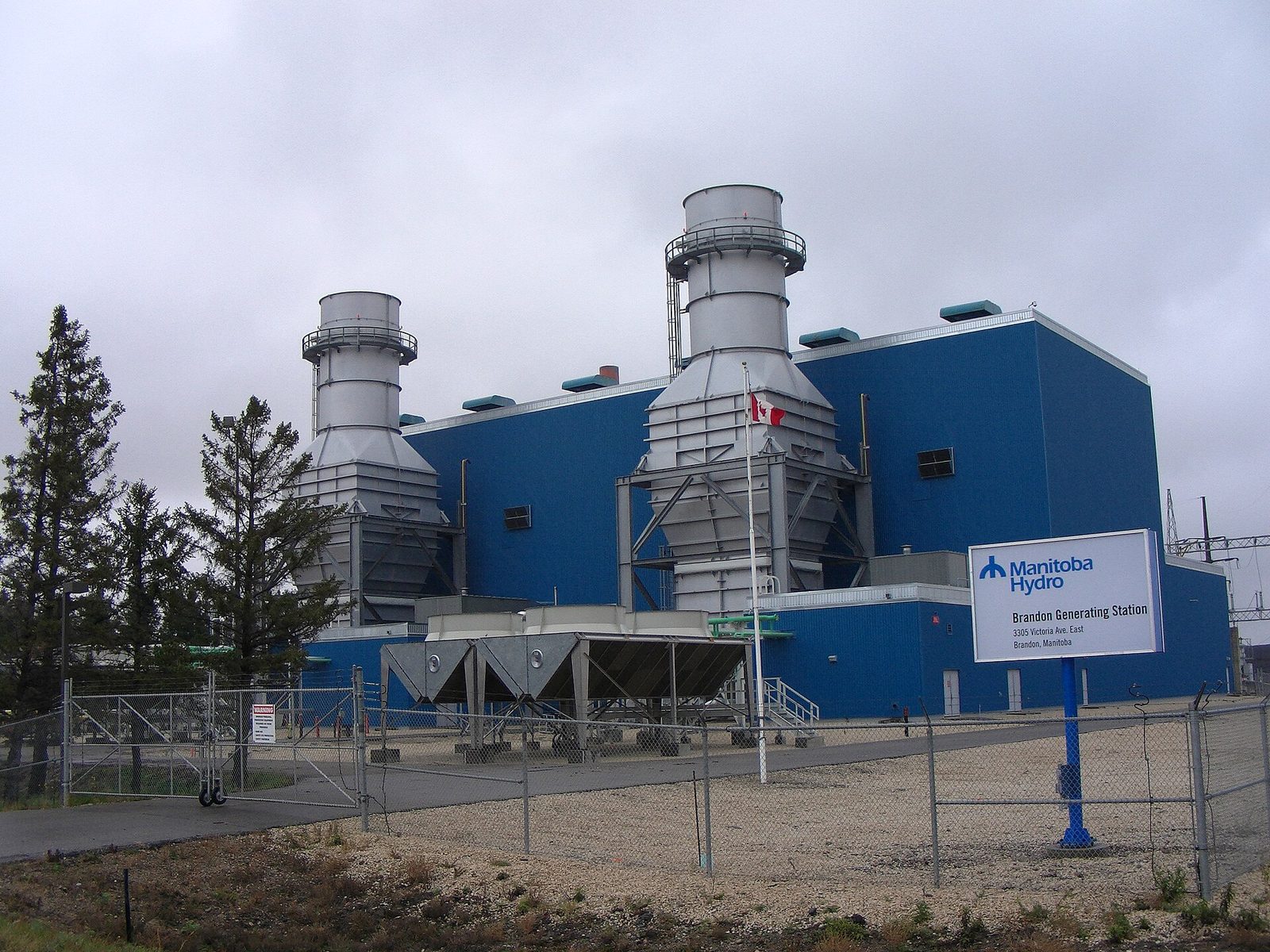
Manitoba Hydro asked for three new gas burning turbines at its existing two turbine Brandon station, adding 750 MW at a cost of about $3 billion, with the plant aimed at in service by 2030. The utility says the capacity is drought protection, covering a projected shortfall of about 600 MW in a drought year. The Public Utilities Board heard six weeks of public hearings from July to September, then delivered its recommendations to the province on Monday, November 9.
The board’s answer is one turbine, not three. Kinew confirmed the recommendation publicly on November 13. The scale fits what the hearing record showed: an expert witness at the hearings, Patrick Bowman, told the board there was a strong justification for 250 MW of turbines at Brandon, roughly the size of a single turbine, and little evidence the province could get through the decade without some gas capacity. The board’s job was to test need, alternatives and rate impacts before cabinet decides, and on need it landed well short of Hydro’s ask.
Why is the report still secret?
Neither the board nor the provincial government has released the report publicly, and the province has not committed to a release timeline. That is the part drawing the most heat. CBC News reported on November 13 that critics want the review released soon, and the pressure is coming from more than one direction.
Consumer groups, represented by attorney Byron Williams, argue experts at the hearings questioned whether three turbines are needed at all, called Hydro’s demand projections too high and said its cost estimates are outdated. Their case has a sharp number behind it: GE Vernova turbine prices rose 50 percent in 2026 while battery storage costs fell. Climate Action Team Manitoba disputed Hydro’s claim that batteries cannot withstand Manitoba winters. Opposition PC MLA Lauren Stone urged the NDP government to release the report so Manitobans can judge it themselves.
What did the hearings actually show?
The hearings put Hydro’s case under sustained challenge. Experts suggested only one turbine is needed, while environmental groups said none are required. The board’s one turbine recommendation sits between those positions, and closer to the experts than to the utility.
The project was referred to the board by Finance Minister Adrien Sala on May 4, 2026, under the Manitoba Hydro Act. The referral requires the board to review need, alternatives and possible impacts on electricity rates before cabinet makes a final decision. That review is now done, and the only thing missing is the public seeing it.
What happens next?
The decision now sits with Kinew’s cabinet, which can accept, modify or reject the board’s advice. No decision has been announced, and no date has been set for releasing the report. Until the report is public, Manitobans are being asked to trust a recommendation they cannot read, about a $3 billion project they will pay for through their hydro bills.
That is a bad look for a government that campaigned on affordability. If one turbine is enough, the province should say so with the evidence in hand. If cabinet wants all three anyway, it should make that case in the open, not behind a report it will not release.
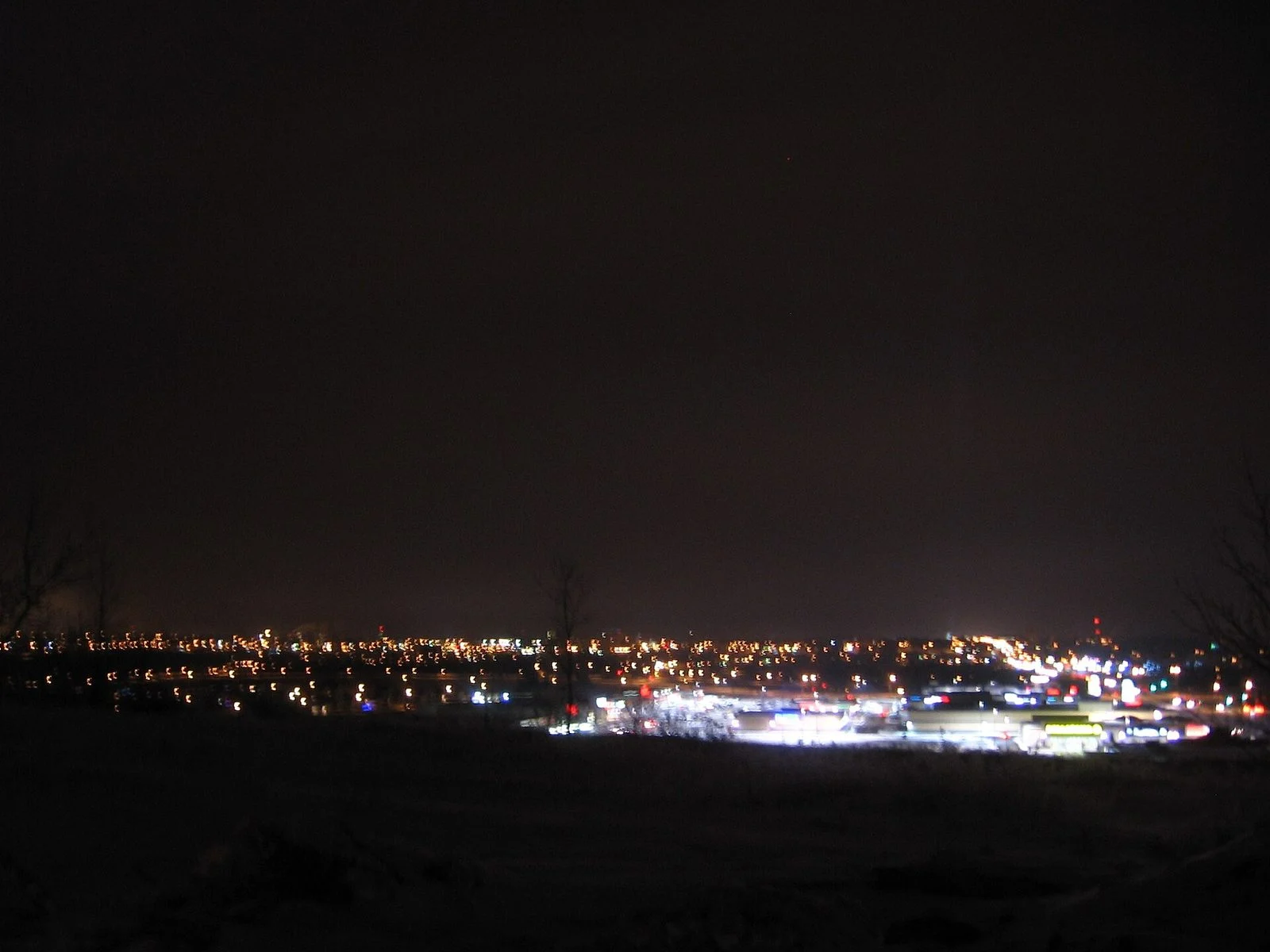
Brandon, Manitoba, at night. Photo: Ks109 (talk) (Uploads), Public domain, via Wikimedia Commons
Frequently Asked Questions
How many turbines does the utilities board recommend for Brandon?
One new gas turbine, not the three Manitoba Hydro proposed. Premier Wab Kinew confirmed the board’s recommendation on November 13.
How much would three turbines cost?
About $3 billion for 750 MW of new capacity at the existing Brandon Generating Station, aimed at in service by 2030.
When will the province release the PUB report?
No date has been promised. The board delivered its recommendations on November 9, and neither the board nor the government has released the report publicly.
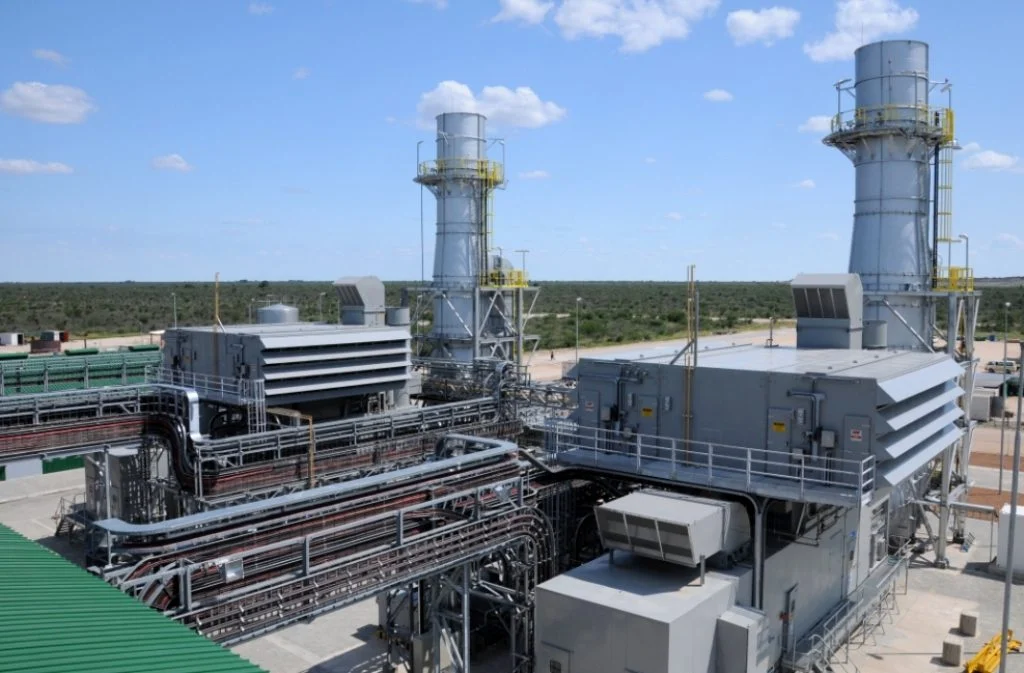
A gas turbine power plant. Photo: Pro-Per Energy Services, CC BY-SA 4.0, via Wikimedia Commons
Maplestime will provide updates from the Manitoba Hydro Brandon turbine decision as announcements are made.
Have a tip about this story? Email [email protected]
Have a correction? Email [email protected]
Should the province release the full utilities board report before cabinet decides, or is one turbine the obvious answer already? Tell us in the comments. And share this with every Manitoban who pays a hydro bill.
Enjoying Maplestime? Support independent Canadian journalism — no paywall, no corporate owners.