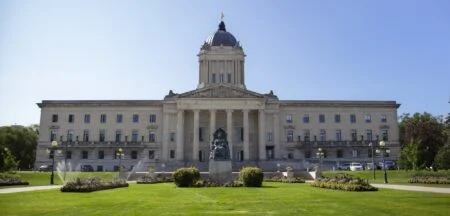





Winnipeg news: Security Guard Training is getting a long overdue overhaul, along with tougher cattle theft enforcement and a stronger research agency, as three bills introduced on November 19 aim to make all three happen.
By Maplestime Manitoba Desk | Winnipeg, Manitoba | November 20, 2026
Sources: Government of Manitoba | Wisevoter | Last updated: November 20, 2026
Quick Answer: Security Guard Training is set for an overhaul under Bill 3, introduced November 19, with mandatory Indigenous cultural awareness and anti-racism training, licensed guard employers and no more temporary licences. Two companion bills add cattle inspections to fight livestock theft and strengthen Research Manitoba’s mandate on innovation and commercialization.
Key Takeaways:
- Three bills, one day: the Manitoba government introduced Bills 2, 3 and 4 on November 19, 2026.
- Bill 3 overhauls guard training: new training requirements include Indigenous cultural awareness and anti-racism training, employers must be licensed, and temporary licences are eliminated.
- Bill 2 targets cattle theft: it establishes cattle inspection to combat livestock theft in Manitoba.
- Bill 4 boosts research: it strengthens Research Manitoba’s mandate on innovation, applied research, commercialization and technology development.
- Why now: the security guard training manual is more than 20 years old, and First Nations leaders raised concerns after a February 2026 incident at a downtown Winnipeg Dollarama.
What Does Bill 3 Change for Security Guard Training?
Bill 3, the Private Investigators and Security Guards Amendment Act, is the headline of the three bills, and it rewrites the rules for who can work as a security guard in Manitoba and how they are trained. The new training requirements include Indigenous cultural awareness training and anti-racism training, alongside updated reporting requirements for the industry.
The bill also changes who carries responsibility. Employers of security guards will now have to be licensed themselves, not just the guards on their payroll. And temporary security guard licences, which let people work before completing their training, are eliminated. The message is blunt: if you are going to stand in a shopping centre, a store or a public event with authority over other people, you need to be properly trained first.
Justice Minister Matt Wiebe put it plainly in the government announcement: “Manitobans deserve to know that when they see a security guard at a shopping centre, store or public event, that individual has the training and preparation needed to do the job professionally and effectively.” That is a fair standard, and it is long overdue. A training manual that is more than 20 years old cannot prepare anyone for the job as it exists in 2026.
Why Is the Province Acting Now?
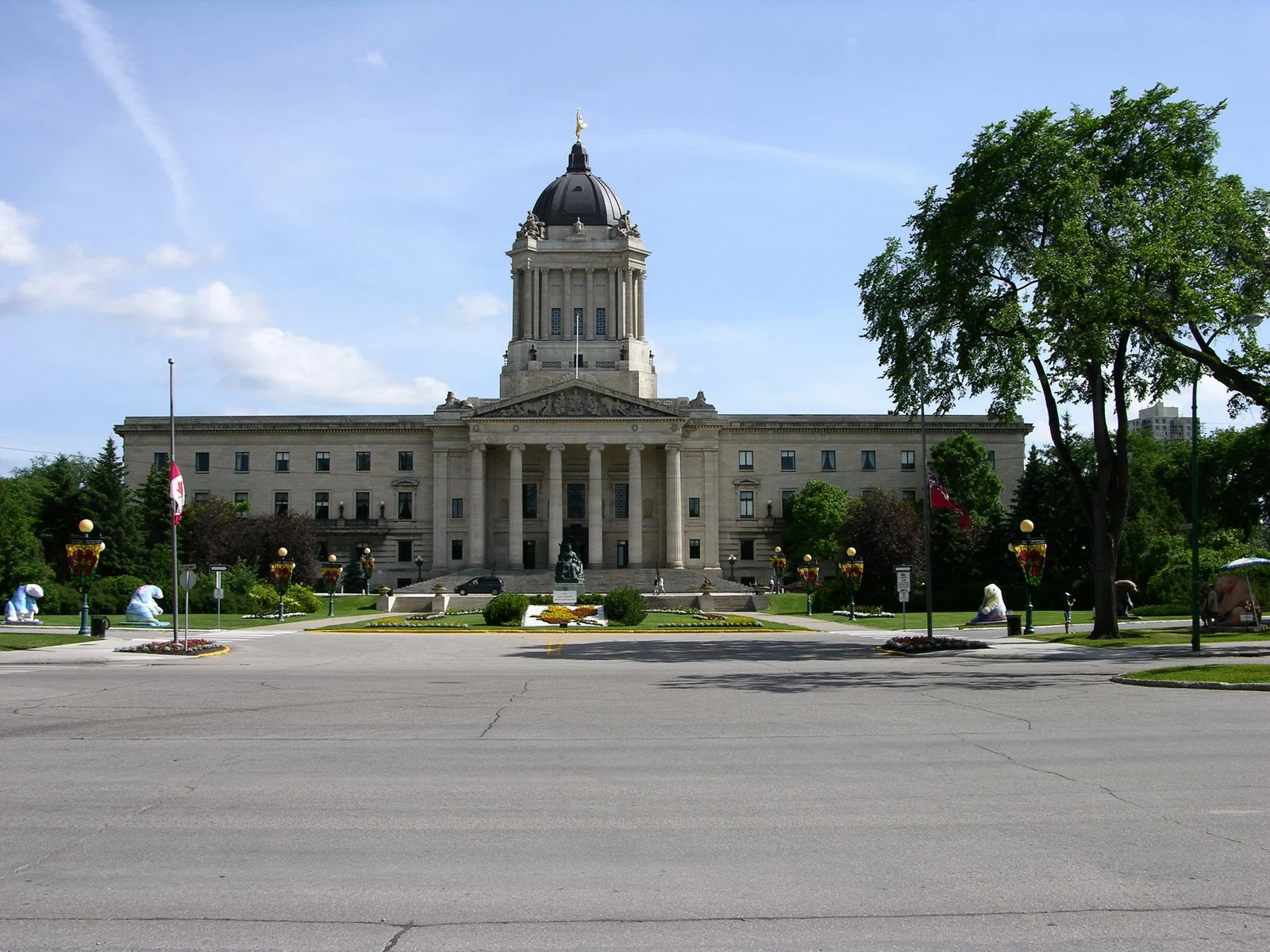
The push for reform did not come out of nowhere. An advisory committee was struck in July 2025 after First Nations leaders raised concerns about security guard conduct, including a February 2026 incident at a downtown Winnipeg Dollarama. The government house leader, Nahanni Fontaine, announced the three bills, and the training overhaul is the direct answer to those concerns.
Indigenous cultural awareness and anti-racism training are not window dressing here. They are a response to real complaints from real people who felt they were treated badly by guards in public spaces. If the new Security Guard Training sticks, and if licensing employers means someone is actually accountable when standards slip, this could change the experience of shopping and attending events in Manitoba for the better. The test, as always, will be in the enforcement.
How Will the Cattle Theft Bill Work?
Bill 2, the Livestock and Livestock Products Amendment Act, establishes cattle inspection to combat livestock theft. For farmers and ranchers, stolen cattle are not a minor nuisance. Each animal is worth real money, and theft hits rural families and small operations hardest, because they have the least cushion to absorb the loss.
Cattle inspection creates a paper trail that makes stolen animals harder to sell and easier to trace. It is a practical measure rather than a flashy one, and that is fine. Rural crime does not need a press conference. It needs systems that make the crime harder to pull off and easier to prove.
Related: Manitoba Bill 56 2026 — Cannabis Stores Could Drop Window Coverings to Protect Workers
What Does the Research Manitoba Bill Do?
Bill 4, the Research Manitoba Amendment Act, strengthens Research Manitoba’s mandate on innovation, applied research, commercialization and technology development. In plain terms, it gives the province’s research agency a clearer job: turn good Manitoba ideas into real products, companies and jobs, instead of letting them stall in a lab or a report.
Manitoba has strong universities and strong researchers, but the gap between a good discovery and a working business is where most ideas die. A research agency with a sharper mandate on commercialization is a step toward closing that gap. It is the least dramatic of the three bills, but over time it could be the one that matters most to the province’s economy.
Frequently Asked Questions
What is Bill 3?
Bill 3 is the Private Investigators and Security Guards Amendment Act. It overhauls Security Guard Training with Indigenous cultural awareness and anti-racism training, requires employers of security guards to be licensed, updates reporting requirements and eliminates temporary security guard licences.
What does Bill 2 do about cattle theft?
Bill 2, the Livestock and Livestock Products Amendment Act, establishes cattle inspection to combat livestock theft in Manitoba.
What does Bill 4 change for Research Manitoba?
Bill 4 strengthens Research Manitoba’s mandate on innovation, applied research, commercialization and technology development.

Maplestime will provide updates from the Manitoba Legislature as announcements are made.
Have a tip about the Manitoba Legislature? Email [email protected]
Have a correction? Email [email protected]
Will tougher training and licensed employers finally fix security guard standards in Manitoba, or is this another bill that sounds strong and enforces weakly? Tell us in the comments. And share this with every Canadian who has ever felt unsafe around an untrained guard.
Enjoying Maplestime? Support independent Canadian journalism — no paywall, no corporate owners.