


Cost of living — Manitoba is running hotter than almost anywhere else in Canada. Inflation hit 4.4% here in August against a national 3.0%, hydro bills climbed after January’s drought-driven rate hike, and rent is still up 4.3% across the province. So we built the September budget: here is what a single person on $3,000 a month can actually afford in Winnipeg right now, line by line — including the one big expense that just got cheaper.
By Maplestime Money Desk | Winnipeg, Manitoba | September 20, 2026
Sources: Statistics Canada, ToDoCanada / StatCan, SingleKey / MPA, Winnipeg Transit, Public Utilities Board of Manitoba | Last updated: September 20, 2026
Key Takeaways
- Manitoba’s inflation ran at 4.4% in August 2026 against 3.0% nationally — among the hottest readings of any major province (Ontario: 2.4%, B.C.: 3.0%), with rents in the province up 4.3%, per Statistics Canada’s September 14 release.
- On $3,000 a month, a single person can cover a one-bedroom (~$1,450), groceries (~$400), a Winnipeg Transit monthly pass ($119.35), utilities and phone (~$200) — and still put about $520 aside.
- Manitoba Hydro’s 4% interim rate increase, effective January 1, 2026 after a severe drought, added about $4.21 a month to the average bill for customers who don’t heat with electricity.
- The counterweight: Winnipeg’s average asking rent dropped 8.9% year over year to $1,572 — the biggest decline of any major Canadian city in the September 17 SingleKey report — but local renter incomes fell sharply in the same data, part of a 6%-to-21.5% slide across the report’s hardest-hit centres.
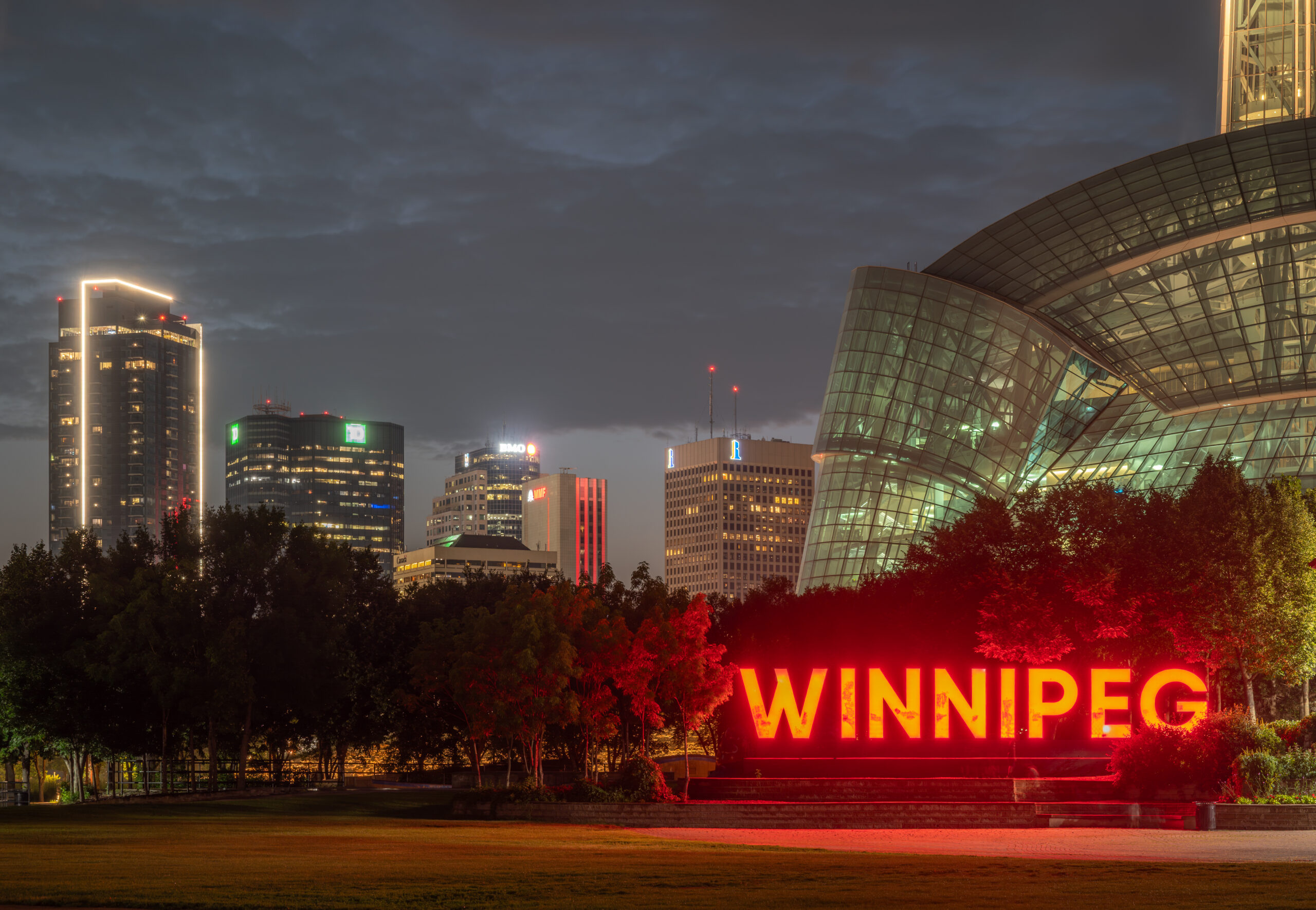
Cost of Living in Winnipeg 2026 at a Glance
Two September reports point in opposite directions. Statistics Canada’s August inflation data, released September 14, showed Manitoba running at 4.4% — the province is absorbing price pressure harder than Ontario (2.4%) or B.C. (3.0%). Rents across the province climbed 4.3% year over year.
But zoom into Winnipeg itself and the picture flips: the SingleKey rental report of September 17 found the city’s average asking rent down 8.9% from a year ago to $1,572. Province hot, city cooling — that tension is the whole story of Winnipeg’s cost of living right now.
Then there’s the power bill. After drought hammered Manitoba Hydro’s finances, the Public Utilities Board approved a 4% interim rate increase effective January 1, 2026 — about $4.21 more a month for the average customer who doesn’t heat with electricity. Against that, a full-fare Winnipeg Transit monthly pass held at $119.35 for 2026. Here is how the budget actually stacks up.
The $3,000 Monthly Budget, Line by Line
- Rent (one-bedroom): ~$1,450. The citywide average asking rent is $1,572, but one-bedrooms in neighbourhoods like Osborne Village and the Exchange District typically rent for $1,200–$1,600, so $1,450 is a fair mid-range figure for a decent unit.
- Groceries: ~$400. Crowdsourced estimates put a single person’s monthly grocery bill in Winnipeg at roughly $350, but with food prices up 2.8% year over year nationally in August, budgeting $400 is the honest number.
- Transit: $119.35. A full-fare Winnipeg Transit monthly pass costs $119.35 in 2026, up from $115.50 last year. Cash fare is $3.45.
- Utilities and phone: ~$200. Even after the hike, Manitoba’s power rates remain among the lowest on the continent. The Public Utilities Board approved a 4% interim Hydro increase effective January 1, 2026 after a severe drought hammered the utility’s finances — about $4.21 extra a month for the average customer. Add internet and a cell plan and $200 covers it.
- Everything else: ~$330. Insurance, clothing, the odd dinner out.
- Left over: ~$520. That’s the part Toronto renters dream about.
Before anyone calls that comfortable, remember the catch in the same SingleKey data: Winnipeg renters’ average household income is just $78,607, and it fell steeply over the study period — part of a 6%-to-21.5% income slide across the five centres where paycheques aren’t keeping up. Renters here give up roughly 30 cents of every household dollar to rent, a heavier load than the national average of 28.1% and a bigger bite than Toronto’s 27.4%.
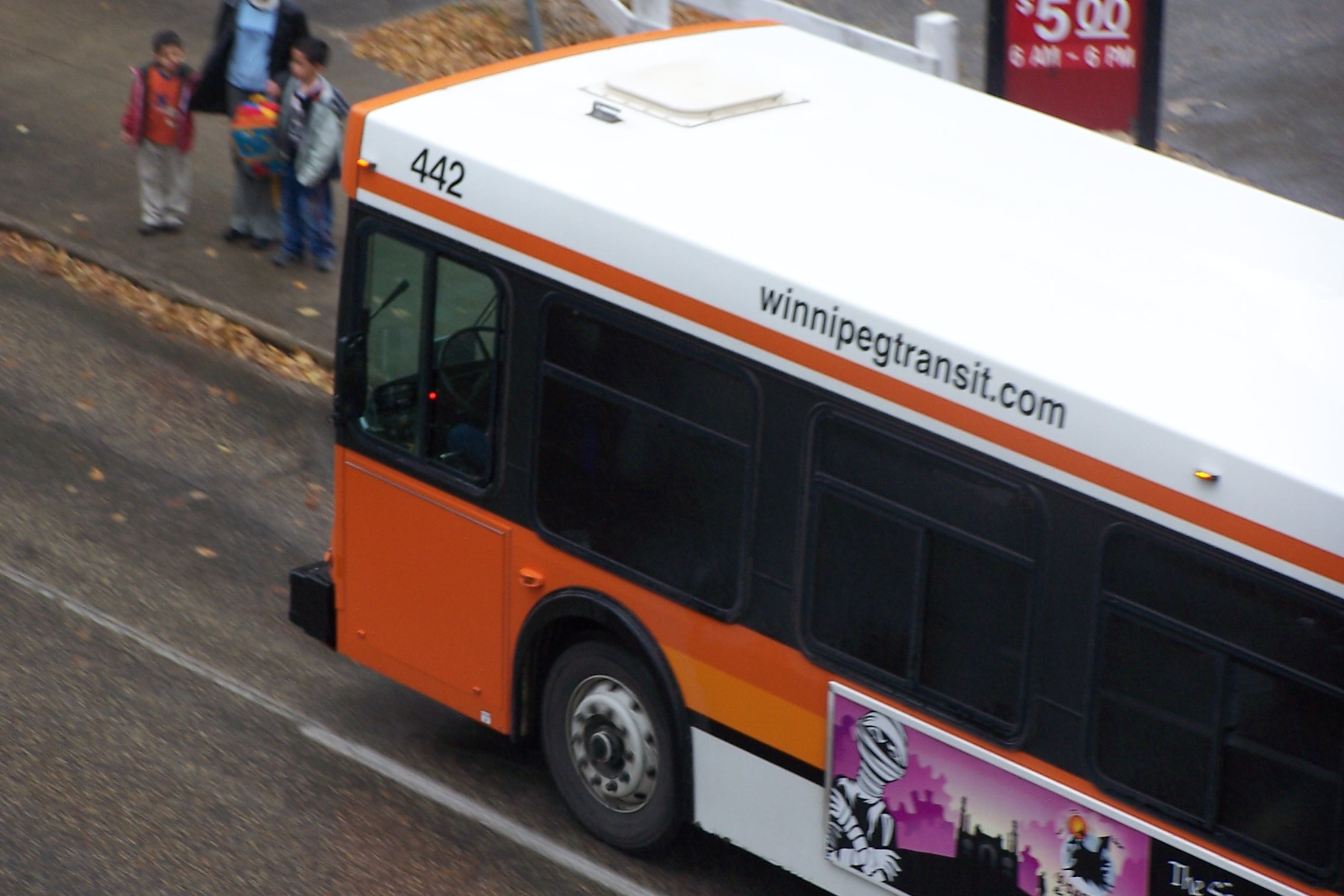
Rent: The Biggest Line Item
Housing is still the line that decides everything else in the budget. The citywide average asking rent sits at $1,572 after this year’s drop, but what matters for a $3,000 budget is the one-bedroom range: roughly $1,200–$1,600 in Osborne Village or the Exchange District, which is why $1,450 is the working figure. CMHC’s rental market survey put Winnipeg’s vacancy rate at 2.8% in October 2025 — tight by local history, but landlords here still compete for tenants rather than the other way around.
The caveat on that $520 left over: the same data shows Winnipeg renter household income at just $78,607, down sharply over the study period. Renters here hand over roughly 30% of their income to rent — above the national average. Cheap rent on a shrinking income is still a squeeze, and it’s the reason the budget above only works if the income side holds
Getting Around for $119.35
Car-free living is genuinely viable here. The $119.35 monthly pass buys unlimited rides, and students and youth pay $88.55–$95.50. A driver, by contrast, is staring at gasoline prices still up nearly 23% year over year nationally — fuel remains the single biggest pressure on Canadian inflation in 2026. Every month you skip the car payment is money the rest of the country is burning at the pump.
The Honest Bottom Line
Winnipeg in September 2026 is the rare Canadian city where the headline numbers move in the renter’s favour on the biggest line item: rents down nearly 9%, transit under $120 a month, some of the cheapest electricity in North America even after the rate hike. But the province around it is running at 4.4% inflation with incomes sliding — the Cost of Living in Winnipeg 2026 is affordable, and fragile, at the same time.
Maplestime will provide updates on the cost of living in Winnipeg as new data is released.
Have a tip about the cost of living in Winnipeg? Email [email protected]
Have a correction? Email [email protected]
Can $3,000 a month still cut it in Winnipeg when Manitoba’s inflation is running at 4.4% — nearly double the national rate — or is the city’s famous affordability finally cracking? Tell us in the comments. And share this with every Canadian watching their wallet this month.
Keep it Factual
Add Maplestime as a trusted source on Google to see more local stories from us.
source on Google
