


Canadian business news: Building a new home in Ontario is about to get more expensive, and the Ontario homebuilding costs tariffs at the centre of a new warning from builders could add thousands to the price of a detached home or a midrise unit.
Ontario homebuilding costs tariffs could add $9,000 to $14,000 to a typical detached home and $18,000 to $20,000 to a midrise unit, RESCON warns. Diesel prices are up 70 per cent or more, and Hamilton has lost galvanized steel output. Together, the pressures threaten to slow building and push prices higher for buyers.
By Maplestime News Desk | Winnipeg, Manitoba | November 13, 2026
Sources: Real Estate Magazine, REMI Network | Last updated: November 13, 2026
Key Takeaways
- RESCON says measures introduced September 8 could add $9,000 to $14,000 to a typical Ontario detached home and $18,000 to $20,000 to a midrise unit.
- Those increases sit on top of an estimated $15,000 to $25,000 in added costs from measures introduced in March 2025.
- Diesel prices are up 70 per cent or more from a year earlier, hitting every stage of construction.
- Stelco has indefinitely idled its cold rolled and galvanized steel lines in Hamilton, and ArcelorMittal Dofasco is reportedly rationing orders.
- Ontario recorded 86,760 housing starts and related units in 2025, well short of its 150,000 home target, while new highrise sales in the Greater Toronto Area fell to 129 units in September.
How do Ontario homebuilding costs tariffs change what buyers pay?
RESCON president Richard Lyall warned in a column published November 13, 2026, that three cost pressures are hitting homebuilding at once: tariffs, soaring diesel prices, and the loss of galvanized steel production in Hamilton. His message is blunt. When building costs rise at every turn, projects stop making financial sense, construction slows, and consumers pay more for what gets built.
The tariff numbers are stark. RESCON estimates the measures introduced September 8 could add $9,000 to $14,000 to a typical Ontario detached home and $18,000 to $20,000 to a midrise unit, in Lyall’s November 13 column. An earlier RESCON analysis, reported by REMI Network, put the midrise figure as high as $28,000. Those increases sit on top of an estimated $15,000 to $25,000 in added costs from earlier measures introduced in March 2025. Stack them together and a buyer could be paying tens of thousands more before a shovel even hits the ground.
Related: Canada Housing Starts Q3 2026 — Ontario Drove Almost the Whole Drop as Toronto Fell 45%
Why are diesel and steel squeezing builders at the same time?
Diesel is the quiet cost that touches everything. Prices are up 70 per cent or more from a year earlier, and diesel powers every stage of construction, from excavation to material delivery. There is no stage of a build that escapes it, which means there is no stage where the extra cost can be hidden.
Steel is the second squeeze. Stelco has indefinitely idled its cold rolled and galvanized steel lines in Hamilton, and ArcelorMittal Dofasco is reportedly rationing orders, leaving builders fewer domestic supply options. When domestic supply shrinks, builders pay more, wait longer, or both, and those costs land on the buyer.
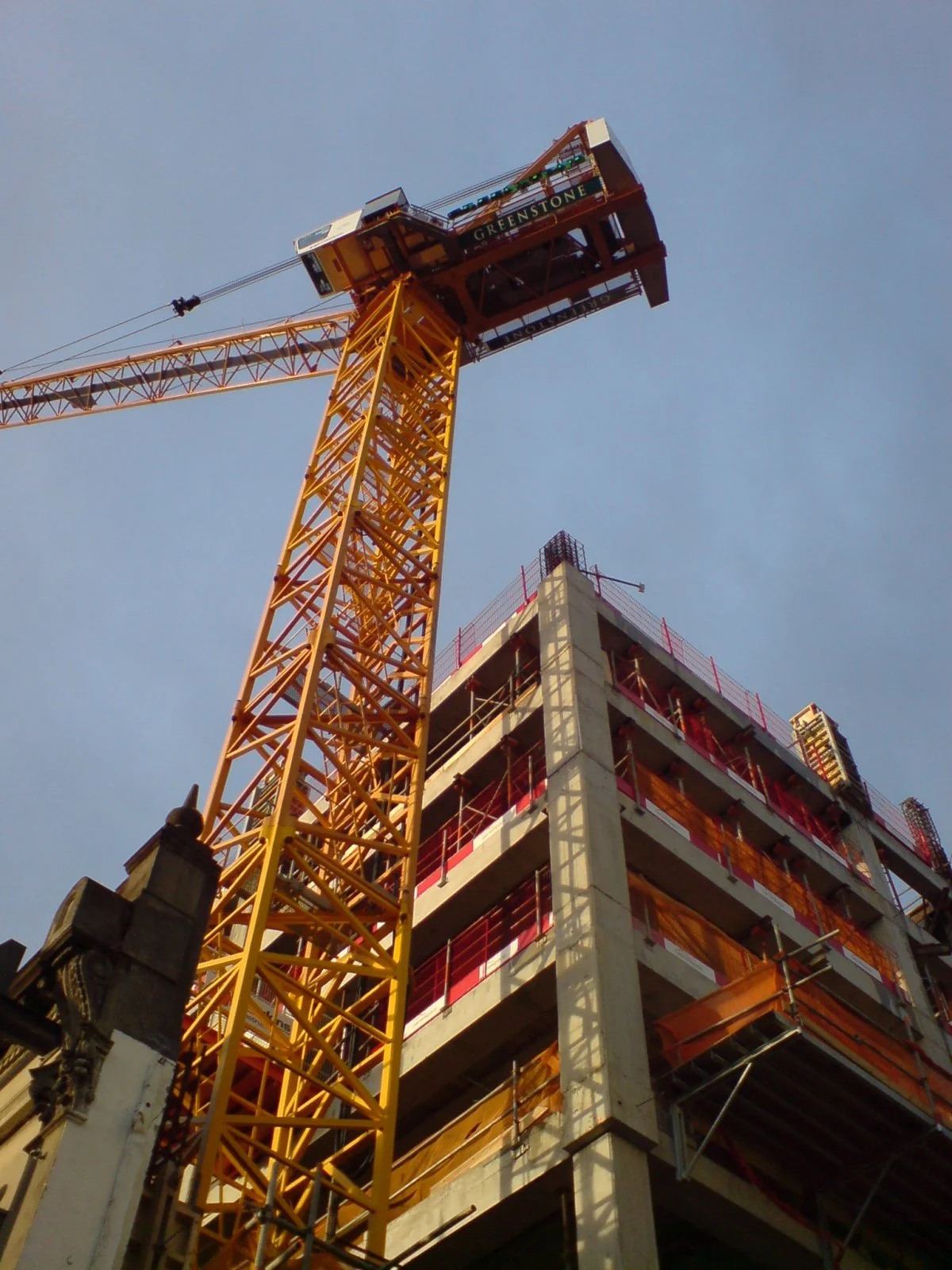
A crane rises over a residential building under construction. Photo: Ingolfson, Public domain, via Wikimedia Commons
Developer Dave Knight broke down the RESCON tariff cost estimates for midrise construction in this video, explaining the earlier RESCON report.
What does the slowdown look like on the ground?
The numbers already show a market pulling back. Ontario recorded 86,760 housing starts and additional housing related units in 2025, well short of its target of 150,000 homes. New highrise sales in the Greater Toronto Area fell to just 129 units in September, 90 per cent below the 10 year average for that month.
The backdrop makes it worse. CMHC reports inflation adjusted home prices have more than doubled since 2005, while population growth has outpaced new housing. Ontario is not building enough homes for the people already here, and the cost pressures Lyall describes make it harder to close that gap, not easier.
The warning is not really about builders. It is about buyers. If projects stop making financial sense, fewer homes get built, and the homes that do get built cost more. That is the opposite of what Ontario needs.
Frequently Asked Questions
How much could tariffs add to a new Ontario home?
In his November 13 column, RESCON president Richard Lyall estimates the measures introduced September 8 could add $9,000 to $14,000 to a typical detached home and $18,000 to $20,000 to a midrise unit, on top of $15,000 to $25,000 from earlier measures introduced in March 2025.
Why is diesel such a big factor in building costs?
Diesel powers every stage of construction, from excavation to material delivery, and prices are up 70 per cent or more from a year earlier, so the extra cost hits the whole build.
Why does Hamilton steel matter to homebuilding?
Stelco has indefinitely idled its cold rolled and galvanized steel lines in Hamilton, and ArcelorMittal Dofasco is reportedly rationing orders, leaving builders fewer domestic supply options and higher prices.
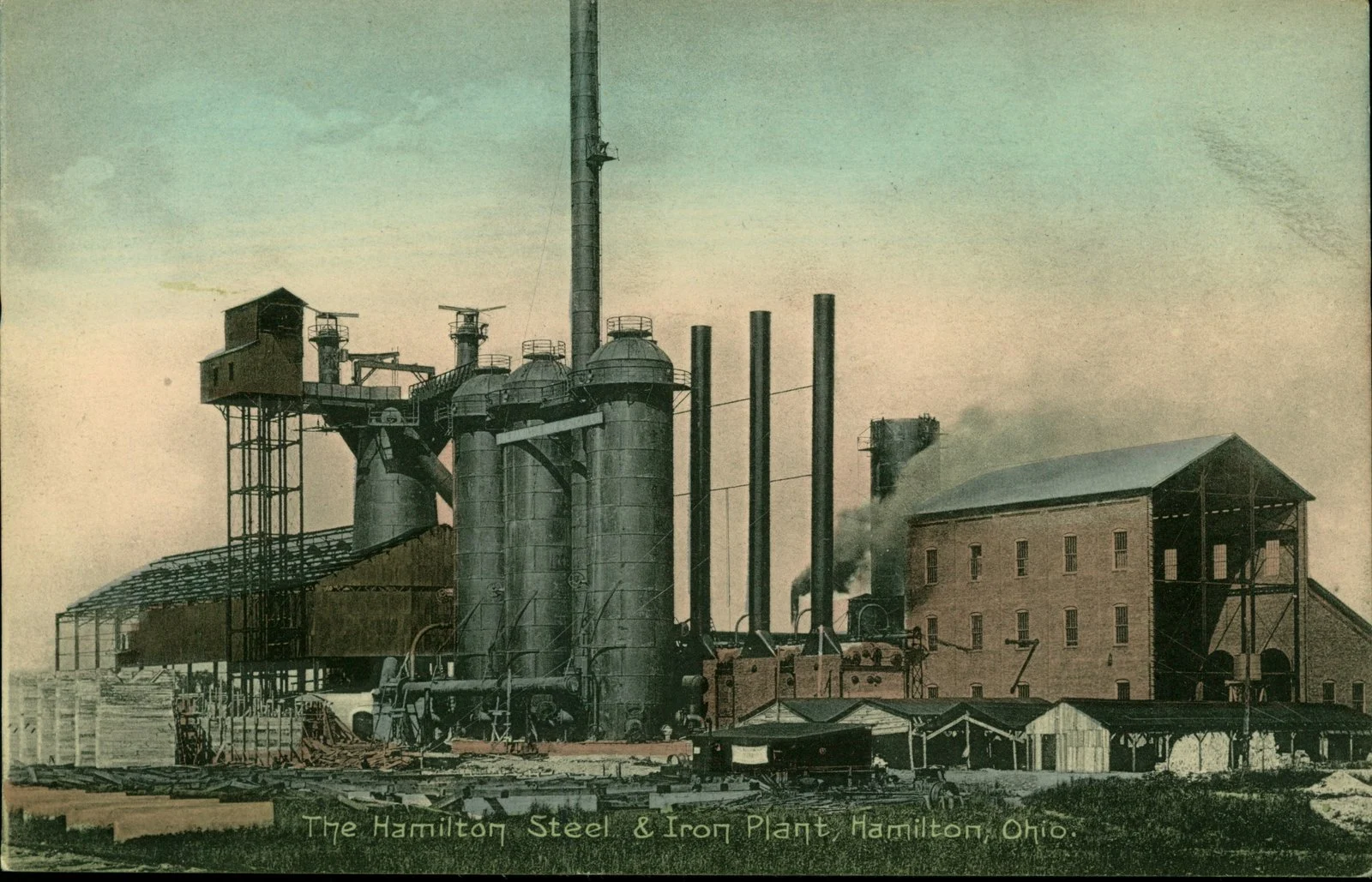
A historic view of a steel plant in Hamilton, Ontario. Photo: Miami University Libraries, Digital Collections, Public domain, via Wikimedia Commons
Maplestime will provide updates from Ontario homebuilding costs as announcements are made.
Have a tip about this story? Email [email protected]
Have a correction? Email [email protected]
If builders pass every new cost to buyers, who exactly is supposed to afford a new home in Ontario? Tell us in the comments. And share this with every Canadian priced out of the housing market.
Enjoying Maplestime? Support independent Canadian journalism — no paywall, no corporate owners.