


Manitoba news — While Premier Wab Kinew was in Toronto pitching investors on a $70-to-$80-billion floating LNG terminal at Churchill, the people who actually own the port were doing the math. The Port of Churchill Expansion they say Manitoba needs doesn’t cost $80 billion. It costs less than $3 billion.
By Maplestime News Desk | Winnipeg, Manitoba | September 20, 2026
Sources: Europe Says (CBC Manitoba), CBC Manitoba Interview — Chris Avery, Arctic Gateway Group | Last updated: September 20, 2026
Key Takeaways
- At the Canada Investment Summit in Toronto, Premier Wab Kinew pitched a $70B–$80B floating offshore LNG expansion of the Port of Churchill.
- Arctic Gateway Group — which owns the port and the Hudson Bay Railway — says its Port of Churchill Expansion would cost under $3B and make Churchill a viable commercial port.
- CEO Chris Avery puts the price at $2B–$3B: new port facilities, upgrading the 1,300-km Hudson Bay Railway for heavier loads, and rebuilding rail facilities at The Pas.
- That figure is “less than four per cent” of Kinew’s August estimate for the LNG version, Avery said.
- Arctic Gateway is owned by 29 First Nations and 12 northern communities — and it is NOT behind the LNG terminal push: “The Kinew government is behind the LNG effort.”
The Port of Churchill Expansion Math: $3B vs $80B
Two visions for Churchill collided this week, and the gap between them is staggering. On one side: Premier Kinew, in Toronto, selling investors on a floating offshore LNG platform at the Port of Churchill with a $70-billion-to-$80-billion price tag the premier himself floated back in August.
On the other side: Arctic Gateway Group, the actual owner of the Port of Churchill and the Hudson Bay Railway, saying the Port of Churchill Expansion Manitoba needs is already within reach for a fraction of that. CEO Chris Avery told CBC the real number is $2 billion to $3 billion. “It’s a fraction of those numbers,” he said — defining it precisely as “less than four per cent” of Kinew’s estimate.
Let that sink in. Four per cent. The province’s own LNG pitch costs roughly twenty-five times what the port’s owners say is required to make Churchill a serious commercial port.
What the $3 Billion Port of Churchill Expansion Actually Buys
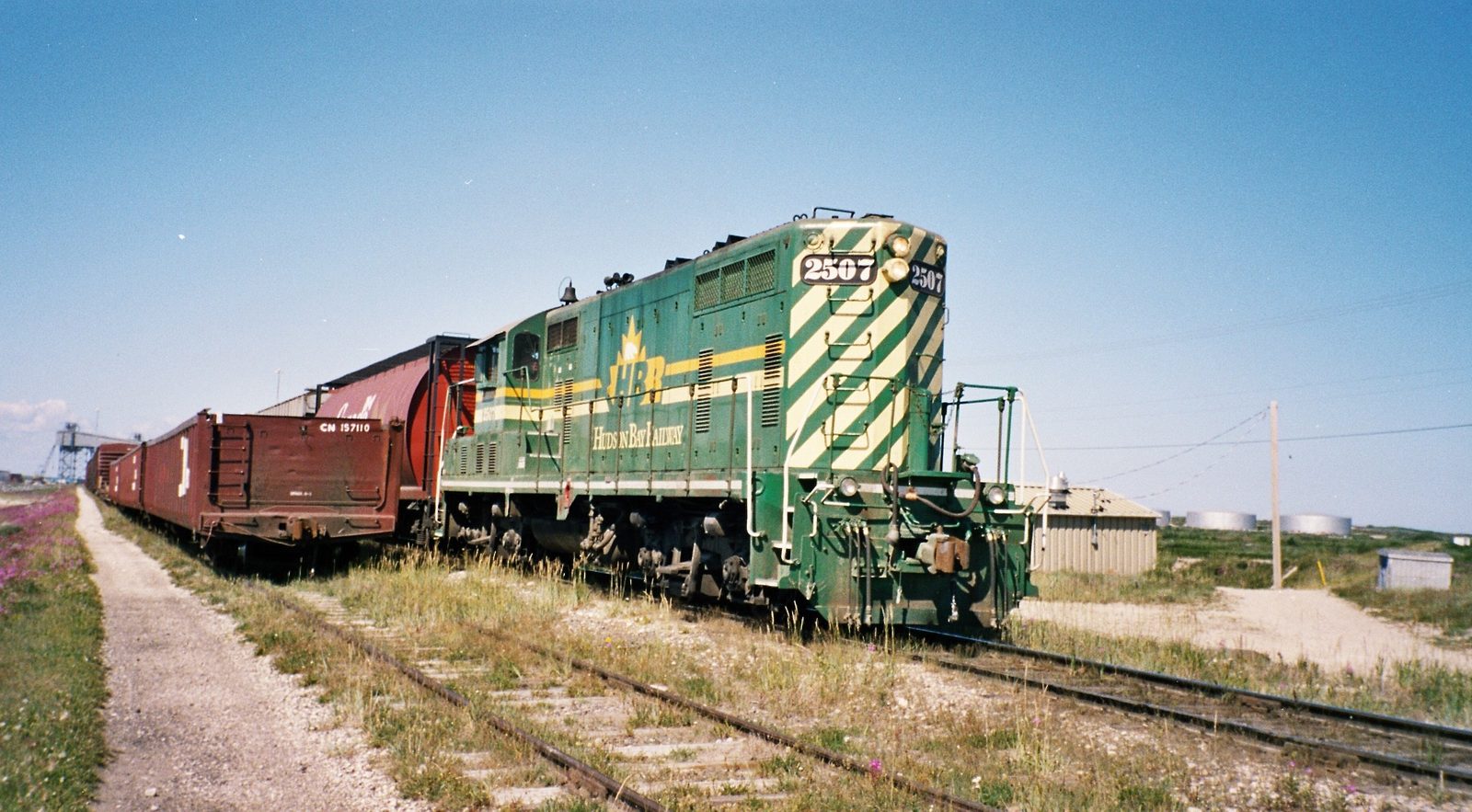
Avery’s number isn’t a guess — it’s a shopping list. The $2B–$3B covers three things: new port facilities at Churchill, upgrading the 1,300-kilometre Hudson Bay Railway so it can handle heavier freight loads, and rebuilding rail facilities at The Pas, the southern gateway to the line.
“What we’re proposing is what we believe is required to make Churchill a major port in Canada in support of our national goals,” Avery said — citing trade diversification, energy superpower status, northern sovereignty, and Indigenous economic reconciliation.
And the ownership matters here. Arctic Gateway isn’t some distant conglomerate — it’s owned by 29 First Nations and 12 northern communities. This is Indigenous-led infrastructure backing the pragmatic Port of Churchill Expansion — not the mega-project.
The LNG Elephant in the Room
Here’s the twist that changes the whole story: Arctic Gateway is not the proponent of the LNG terminal. “The Kinew government is behind the LNG effort,” Avery made clear. The $70–$80B floating offshore platform is the premier’s project, pitched to investors in Toronto — not the port owner’s plan.
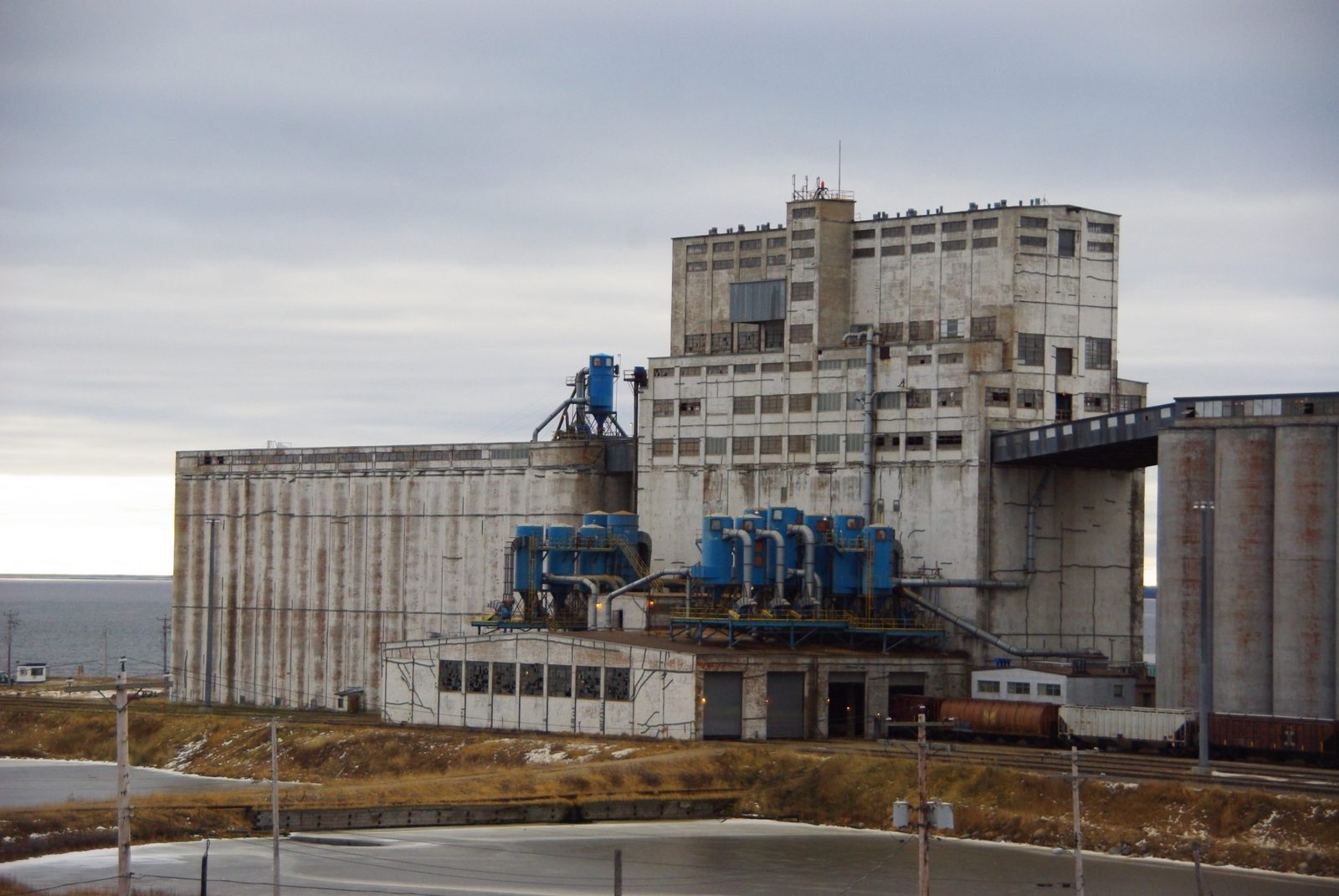
The owners of Canada’s only rail-accessible deepwater Arctic port are saying the Port of Churchill Expansion delivers a working, commercially viable northern port for under $3 billion — while the LNG mega-terminal is a separate, vastly more expensive government vision layered on top.
Europe, notably, is already interested in what Churchill could offer. Avery pointed to EU demand: “the EU has a strategic imperative to secure critical minerals and energy products from trusted and reliable partners like Canada. They don’t want to be dependent on Russia and China and other places, [including] the U.S.”
The Skeptics Aren’t Sold Either Way
Not everyone is convinced Hudson Bay is the trade superhighway its boosters describe. Vidya Mani, a global supply-chain professor at the University of Virginia, poured cold water on the Arctic optimism: “Simply because ice gave away and now you have this wide swath of water and expect it to just magically provide an option? I think that’s wishful thinking.”
The Port of Churchill’s existing shipping window is just 4–5 months a year. The province’s August studies suggest year-round Hudson Bay shipping might be possible with ice-hardened freighters — but “might be possible” is doing heavy lifting in a multi-billion-dollar business case.
CBC Manitoba put it bluntly in its September 19 analysis: “The question before Manitobans right now is why Canada and Manitoba are not simply proceeding with a $3-billion port expansion and railway upgrade, if indeed a Hudson Bay shipping route is essential for Canadian sovereignty.”
It’s the question that won’t go away. If Arctic sovereignty and trade diversification are truly the goals — goals Ottawa and the province both claim — then the Port of Churchill Expansion’s $3B version gets you there. The $80B version gets you there with an LNG terminal attached and a quarter-century of financing risk.
Related: Carney Rallies Liberal Caucus Ahead of Fall Session
What Happens Next
- Investor courtship: Kinew’s Toronto pitch puts the $70–$80B LNG vision in front of private capital.
- The $3B alternative: Arctic Gateway’s Port of Churchill Expansion case now has a public price tag and a CEO willing to defend it on camera.
- Shipping studies: the province’s August research on year-round Hudson Bay shipping with ice-hardened freighters will face scrutiny from skeptics like Mani.
- The sovereignty test: Ottawa’s northern rhetoric meets a concrete, Indigenous-owned, sub-$3B proposal.
Maplestime will provide updates from the Port of Churchill and Manitoba’s northern future as announcements are made.
Have a tip about the Port of Churchill and Manitoba’s northern future? Email [email protected]
Have a correction? Email [email protected]
Should Manitoba chase Kinew’s $80B LNG moonshot — or take the $3B win sitting right in front of us? Tell us in the comments. And share this with every Canadian who cares about the North.
