



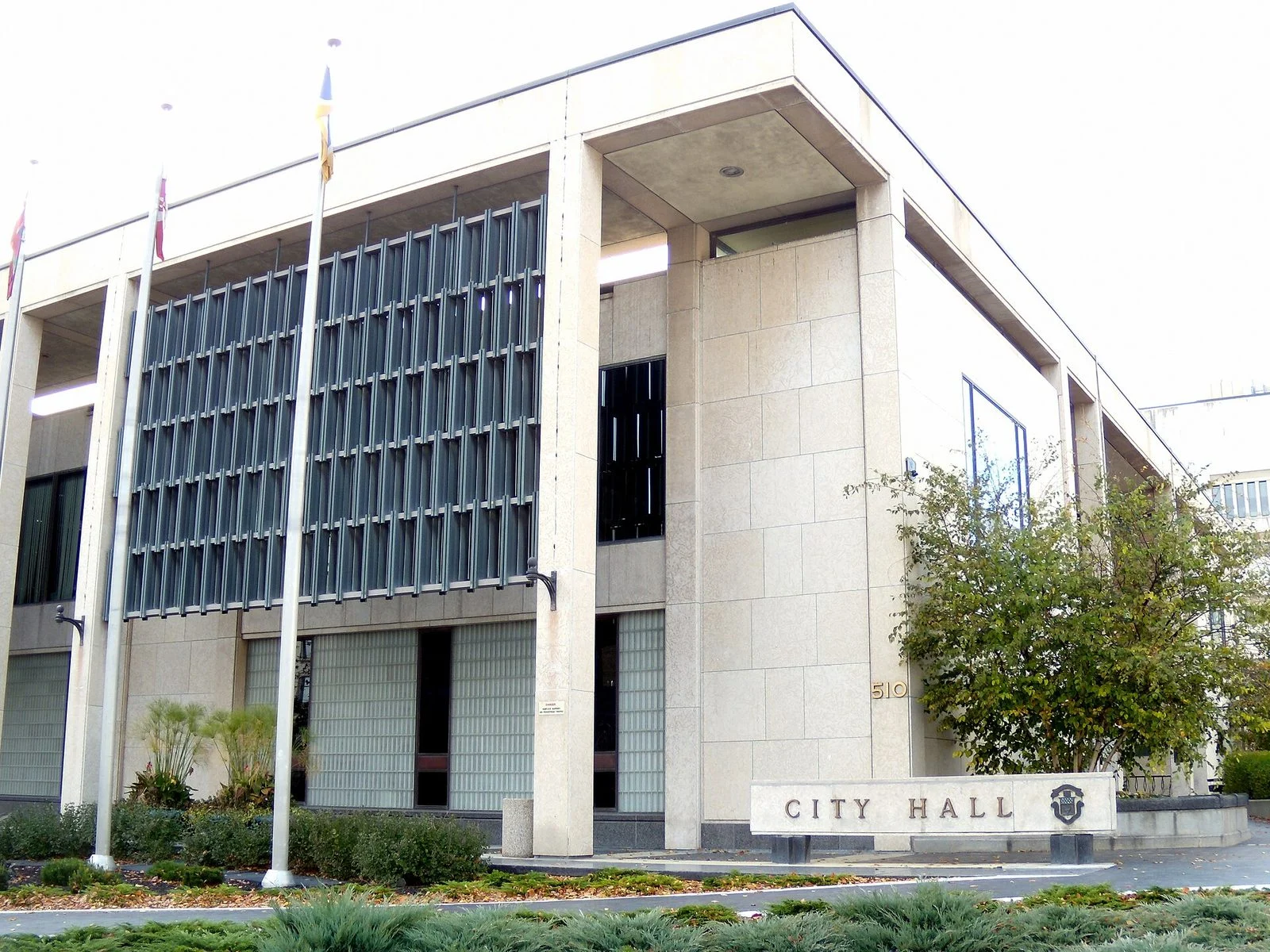
Winnipeg news — City council just voted unanimously to build a Fourth 911 Option: trained community crisis teams, not cops, for mental health and addiction calls where nobody is at risk. In a city stretched thin by rising call volumes, it is the boldest rethink of emergency response Winnipeg has ever attempted.
By Maplestime News Desk | Winnipeg, Manitoba | September 26, 2026
Sources: Global News, City of Winnipeg | Last updated: September 26, 2026
Key Takeaways
- The Fourth 911 Option was unanimously adopted by council on September 24 under the Winnipeg Community Crisis Response (WCCR) Model.
- Analysis estimates roughly 10,000 calls a year could be diverted from police, fire, and paramedics to trained community teams.
- The model applies only when the person in crisis poses no risk to themselves or the public; teams can only be summoned through 911 dispatch triage.
- It builds on existing community organizations — Ma Mawi Wi Chi Itata Centre, The Link, and N’Dinawemak — with follow-up check-ins after the initial response.
- The next step is a working table between the City of Winnipeg and the Manitoba government. Toronto’s similar program, piloted in 2022, became an official fourth emergency service in 2024.
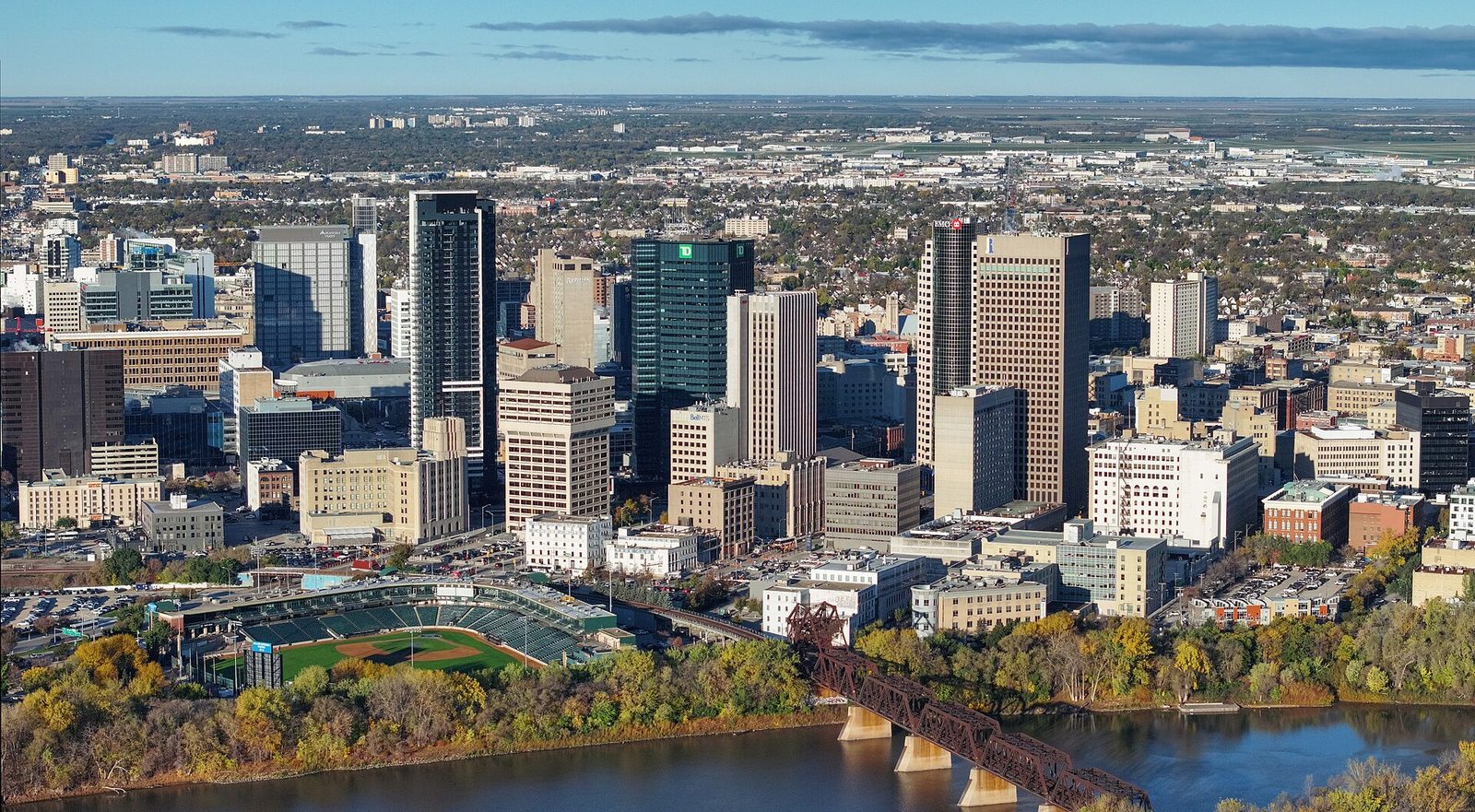
Why Winnipeg Needs a Fourth 911 Option
Right now, a 911 dispatcher has exactly three tools: police, fire, or paramedics. As Mayor Scott Gillingham put it at the announcement: “Presently, when someone calls 911, the dispatcher only has three choices. They can send police officers, firefighters or paramedics — but not every call requires one of those, or a combination of those three responses.”
That mismatch is the heart of the problem. A person in a mental health crisis or struggling with addiction does not always need a uniformed officer at the door — sometimes what they need is a trained counsellor who shows up without a badge. Meanwhile, Winnipeg’s emergency services are drowning. “It would also, of course, free up our police officers, firefighters and paramedics,” Gillingham said. “And our emergency services are under the strain of increasing call volumes.”
How the WCCR Model Would Work
The Winnipeg Community Crisis Response Model is not a replacement for 911 — it is a fourth pathway inside it. A caller still dials 911, but dispatch triage decides which response fits. If the caller or the person in crisis is dealing with mental health or addiction and poses no risk to anyone, a trained community team goes instead of police, fire, or paramedics.
The model is still under development, and the city is leaning on groups already doing the work — Ma Mawi Wi Chi Itata Centre, The Link, and N’Dinawemak — rather than building an apparatus from scratch. The plan also includes follow-up check-ins after the initial response, which is the part most emergency calls never get.
Community workers who were consulted on the model are on board. “New ideas are good. As we learn more about society and what people need in order to succeed in life, I think it’s crucial that we try new ideas out — especially if the ones that are being used aren’t working,” said Miguel Betti, director of operations at the Downtown Community Safety Partnership.
Related: Cost of Living in Winnipeg 2026
The Toronto Precedent
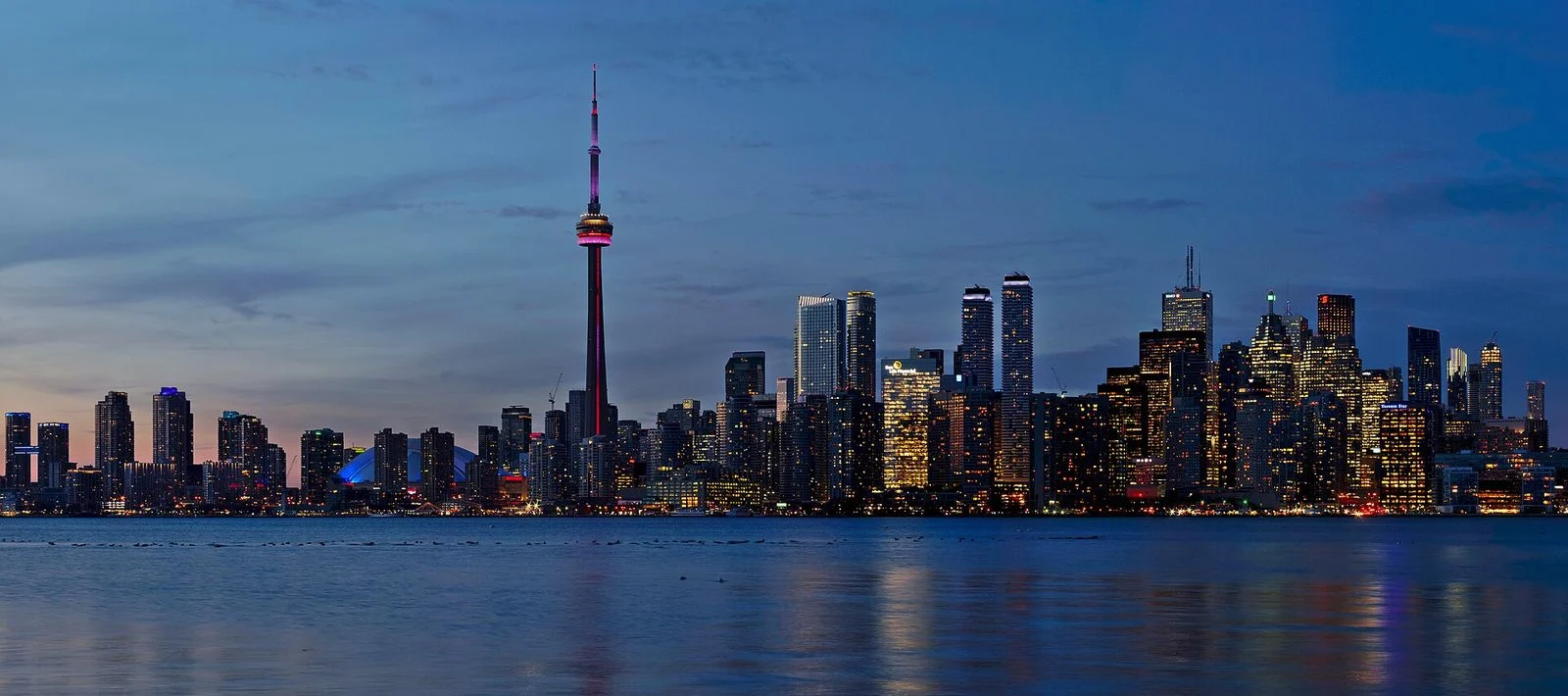
Winnipeg is not inventing this from thin air. Toronto piloted a community crisis response program in 2022 and made it an official fourth emergency service in 2024 — proof that a city can stand up a non-police response pathway and keep it. Winnipeg’s council studied that example, and the Fourth 911 Option is its adaptation for the local landscape.
What Comes Next
Adoption is the easy part. Now the city has to actually build the thing — and the immediate next step is a working table between the City of Winnipeg and the Manitoba government to develop the model in full. This was council’s final meeting before the October municipal election, so the real test is whether the momentum survives whatever comes out of the ballot box.
Still: a unanimous vote to rethink who answers a crisis call is not nothing. It is a rare moment of total agreement in a council that rarely agrees on anything — and a signal that the old three-option 911 model no longer fits the city Winnipeg has become.
Maplestime will provide updates on Winnipeg’s Fourth 911 Option and the Winnipeg Community Crisis Response Model as announcements are made.
Have a tip about this story? Email [email protected]
Have a correction? Email [email protected]
Should a mental health crisis ever be answered with a police siren? Tell us in the comments. And share this with every Canadian who has ever worried about what happens when a loved one calls 911.
Enjoying Maplestime? Support independent Canadian journalism — no paywall, no corporate owners.