




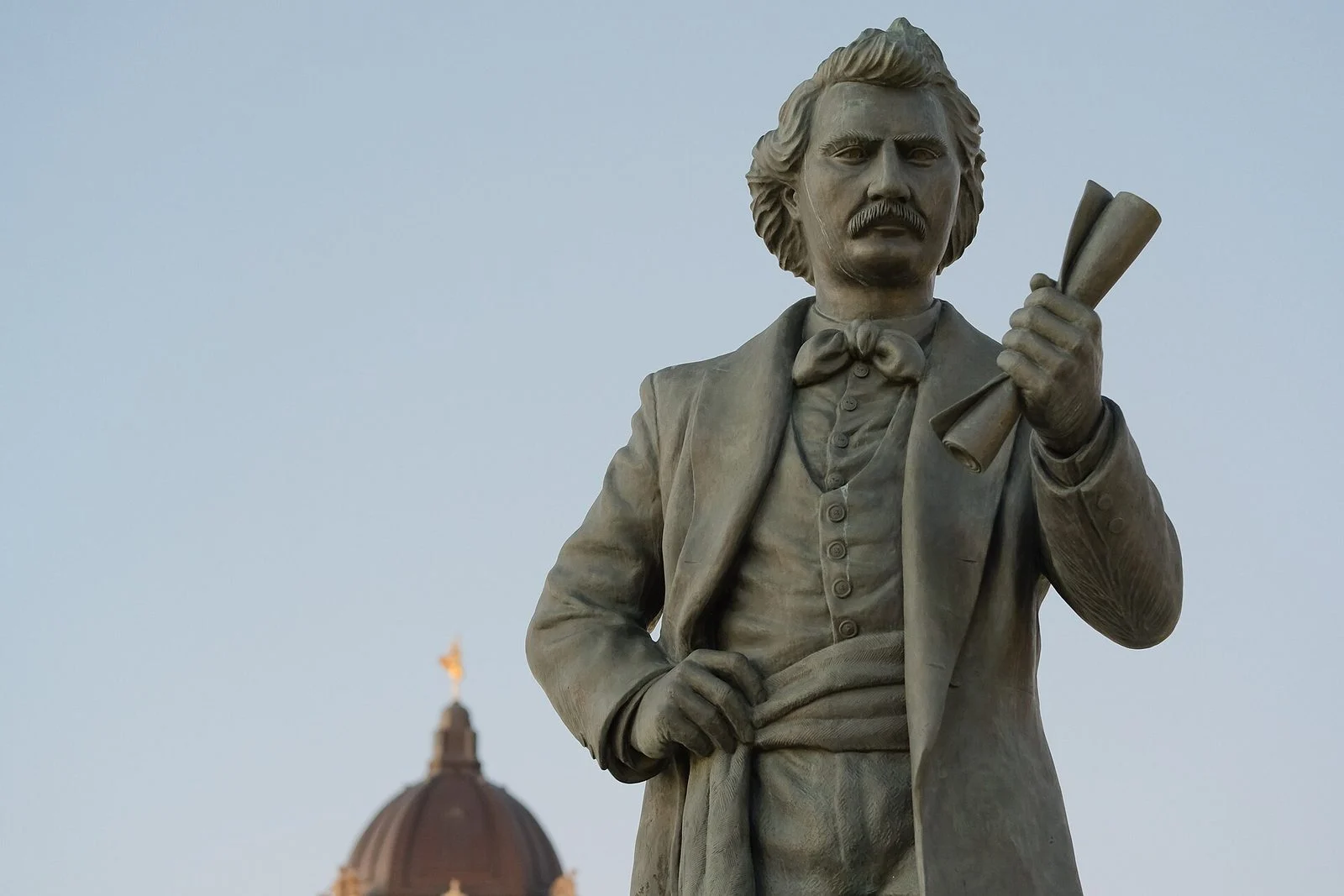
Winnipeg news: Louis Riel Day fell on Monday, one hundred and forty one years after Louis Riel was executed, and Métis leaders gathered at his gravesite in St. Boniface and used the moment to press Ottawa for funding they say Budget 2026 left out.
By Maplestime Winnipeg Desk | Winnipeg, Manitoba | November 17, 2026
Sources: IndNewsDoc, CityNews Winnipeg | Last updated: November 17, 2026
Quick Answer: Louis Riel Day in Winnipeg on November 16, 2026 marked 141 years since Riel’s execution in 1885. The Manitoba Métis Federation held a commemoration at Riel’s gravesite in St. Boniface, while Métis leaders said Budget 2026 contains no clearly identified Métis specific funding and called for a Métis specific First Ministers’ Meeting.
Key Takeaways
- November 16 marked 141 years since Louis Riel was executed on November 16, 1885.
- The Manitoba Métis Federation held a commemoration ceremony at Riel’s gravesite, 190 Avenue de la Cathedrale, St. Boniface, at 11 a.m., livestreamed on its YouTube channel.
- Riel led the Red River provisional government that negotiated Manitoba’s entry into Confederation in 1870.
- The Métis National Council says Budget 2026, tabled November 5, contains no clearly identified Métis specific funding.
- Métis leaders are calling for a Métis specific First Ministers’ Meeting, and point to Section 35 of the Constitution Act, 1982, which includes Métis.
Louis Riel Day in St. Boniface: what happened on Monday
The Manitoba Métis Federation marked the day at the place where Riel is buried, his gravesite at 190 Avenue de la Cathedrale in St. Boniface. The commemoration ceremony began at 11 a.m. and was livestreamed on the federation’s YouTube channel, so Métis citizens who could not be there in person could still take part.
November 16 is the anniversary of Riel’s execution, and it is distinct from Manitoba’s statutory Louis Riel Day, which falls on the third Monday in February. The November date is the solemn one. It marks a death, not a holiday, and the ceremony reflected that.
Winnipeg is the right city for it. Riel’s story starts here, in the Red River Settlement, and his grave in St. Boniface has been a place of remembrance for generations of Métis families.
Who Louis Riel was, and why November 16 matters
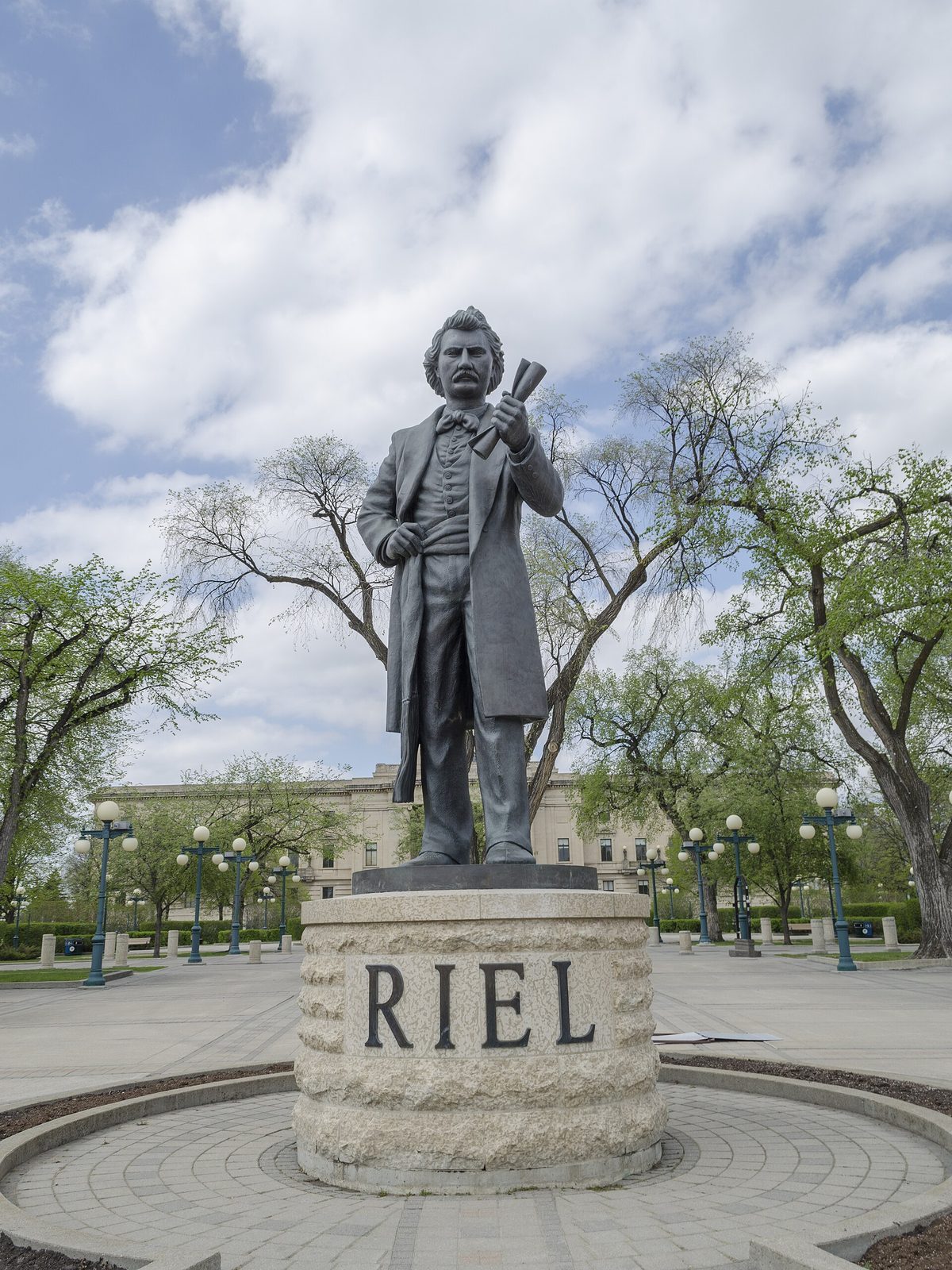
Riel led the Red River provisional government that negotiated Manitoba’s entry into Confederation in 1870. He was the political leader who turned a settlement’s grievances into a province, and for that he is remembered as a founder of Manitoba.
Fifteen years later, he was captured after the resistance at Batoche in 1885, convicted of treason, and executed on November 16, 1885. The execution made him a martyr to many and a traitor to others, and the argument over his legacy ran for more than a century.
Today, the argument is settled in law, if not in memory. Section 35 of the Constitution Act, 1982 recognizes Métis as one of the Aboriginal peoples of Canada, with rights that flow from that recognition. As Otipemisiwak Métis Government President Andrea Sandmaier put it: “Even today, Métis are still fighting for recognition.”
Related: Métis Tiny Homes Saskatchewan 2026
What Métis leaders want from Ottawa
The commemoration carried a pointed message for the federal government. The Métis National Council says Budget 2026, tabled on November 5, contains no clearly identified Métis specific funding. In a statement on November 6, the Manitoba Métis Federation said its proposals on housing, infrastructure, health, and child and family services were not addressed in the budget.
The council is calling for a Métis specific First Ministers’ Meeting, a forum where Métis governments can deal directly with the prime minister and the premiers, rather than being folded into broader Indigenous discussions where their distinct needs get lost.
The timing is deliberate. A commemoration is not only about the past, and Métis leaders used the anniversary to remind Ottawa that recognition on paper has to be followed by money for houses, clinics, and services.
Why the funding fight is sharper this year
The debate has an extra edge this fall. Assembly of First Nations National Chief Cindy Woodhouse Nepinak made remarks on October 26 that drew a sharp response from Manitoba Métis Federation President David Chartrand, who rejected them. The exchange underlined a long running tension over who speaks for whom in Indigenous politics, and it is part of why the Métis National Council is pressing for its own seat at the table.
None of that changes the core ask. Métis governments want funding they can identify in the budget, for priorities they set themselves: housing, infrastructure, health, and child and family services. Budget 2026, in their reading, did not deliver it.
Ottawa will have chances to answer. A First Ministers’ Meeting would be one. The next budget will be another. For now, the message from St. Boniface is plain: 141 years after Riel’s execution, the fight for recognition he started is still being fought, and it is being fought in budget lines as much as in history books.
Frequently asked questions
What is Louis Riel Day in Winnipeg?
November 16 marks the anniversary of Louis Riel’s execution in 1885. It is distinct from Manitoba’s statutory Louis Riel Day, which falls on the third Monday in February.
Where was the 2026 commemoration held?
The Manitoba Métis Federation held its ceremony at Riel’s gravesite, 190 Avenue de la Cathedrale, St. Boniface, at 11 a.m. on November 16, livestreamed on its YouTube channel.
What are Métis leaders asking Ottawa for?
Clearly identified Métis specific funding in the federal budget, covering housing, infrastructure, health, and child and family services, plus a Métis specific First Ministers’ Meeting.

Maplestime will provide updates from Louis Riel Day as announcements are made.
Have a tip about Louis Riel Day? Email [email protected]
Have a correction? Email [email protected]
Should Ottawa give Métis governments their own First Ministers’ Meeting and their own budget lines, or is folding them into broader Indigenous funding good enough? Tell us in the comments. And share this with every Canadian who thinks Riel’s story ended in 1885.
Enjoying Maplestime? Support independent Canadian journalism — no paywall, no corporate owners.