


Manitoba news: Ottawa has delayed Nutrition North Reform again, pushing the long promised overhaul to April, and in St. Theresa Point, Manitoba, a four litre jug of milk still costs about $10.99 even with the subsidy in place.
By Maplestime News Desk | Winnipeg, Manitoba | November 19, 2026
Sources: CBC News, NordVoix | Last updated: November 19, 2026
Quick Answer: Nutrition North Reform is delayed again. Northern and Arctic Affairs Minister Rebecca Chartrand says the overhaul, promised for this fall, will now arrive by April as the government works through the finer details. Budget 2026 still puts $610.3 million over four years into the unchanged program, while northern shoppers keep paying prices the subsidy was meant to fix.
Key Takeaways
- Nutrition North Reform, promised for this fall, is delayed until April 2027, Minister Rebecca Chartrand confirmed.
- Budget 2026 commits $610.3 million over four years to the unchanged Nutrition North program, plus $118.1 million in 2031-32 and $117 million a year after that.
- In St. Theresa Point, Manitoba, a four litre jug of milk costs about $10.99 even with the subsidy.
- Inuit Tapiriit Kanatami says the funding maintains the inefficiencies of the current program.
- Food insecurity in Nunavut households has nearly doubled, from 28.8 per cent in 2010 to almost 60 per cent in 2024.
What changed with Nutrition North Reform?
The reform was supposed to roll out this fall. Chartrand was in Iqaluit last week to promote the recently tabled federal budget, and that is where she confirmed the new timeline. The government is working on the finer details, she said, and the overhaul will now be out by April.
It is the latest delay for a program that has been promising change for more than a decade. Nutrition North was created in 2011, and northerners have said since the start that it does not work the way it should. Former prime minister Justin Trudeau promised to change it in 2015. Eleven years later, the reform is still coming.
What is not delayed is the money. Budget 2026 earmarks $610.3 million over four years for the unchanged Nutrition North program, with $118.1 million more in 2031-32 and $117 million annually after that. The program subsidized $163 million worth of nutritious food across 124 communities in 2025-26, including in Nunavut and Nunavik. The cheques keep flowing. The fix does not. Nutrition North Reform is the fix northerners were promised, and every delay leaves the old program in place.
What does milk cost in St. Theresa Point?
About $10.99 for a four litre jug of Beatrice milk, even with the subsidy. That is the price in the CBC photo from St. Theresa Point, a fly-in First Nation in northern Manitoba, and it is the number that makes the delay hard to defend. A family buying milk, bread and basics in St. Theresa Point pays northern prices for southern staples, and the subsidy that is supposed to close the gap plainly does not close it.
The numbers behind that price are worse. The rate of food insecure households in Nunavut has more than doubled in just over a decade, from 28.8 per cent in 2010 to almost 60 per cent in 2024, according to Statistics Canada. Food costs across the country have grown roughly 22 per cent since 2021, according to the Bank of Canada, and the subsidy rate has not kept up.
Long-time Nutrition North researcher Nicholas Li told CBC he shares the disappointment expressed by Inuit Tapiriit Kanatami and others. He asked the question Ottawa keeps dodging: how many more conferences or summits and how much more input do they believe they need to see some of these changes.
Why has Nutrition North Reform stalled for so long?
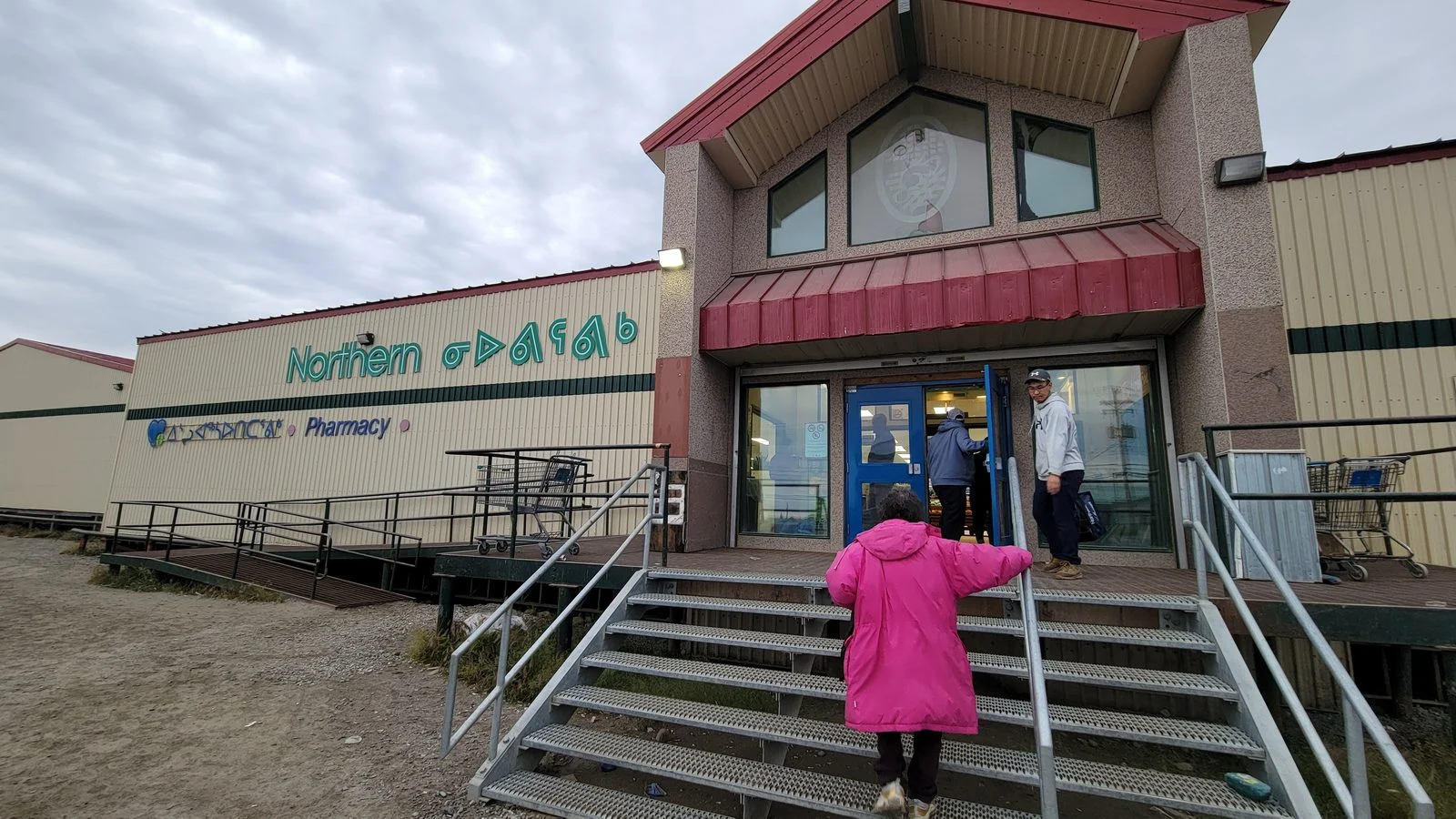
There is now broad agreement on what the reformed program should look like, which makes the delay harder to explain. Aluki Kotierk, who now chairs the Inuit Circumpolar Council, conducted an external review of the program published in June. She recommended the program expand to subsidize all grocery items equally.
Inuit Tapiriit Kanatami went further. In its June Inuit Nunangat Poverty Reduction Strategy, the national Inuit organization called for the program to be scrapped and replaced with a more effective subsidy. Its response to the budget was blunt: investments in Nutrition North Canada maintain the inefficiencies of the current program.
Li says differing opinions on how best to move forward are likely the cause of the delay, and that is why Nutrition North Reform keeps slipping. That is a polite way of saying Ottawa has the evidence, has the recommendations, and still will not decide. Conservative MP Bob Zimmer shared the CBC report in a video post on November 18, arguing food insecurity has worsened under Liberal leadership. The politics will keep escalating. The prices will keep climbing. April is five months away, and northern families do their grocery shopping every week.
Related: Canada Grocery Prices 2026 — What’s Cheaper, What’s Hurting
Frequently Asked Questions
When will Nutrition North Reform arrive?
Nutrition North Reform will arrive by April 2027, according to Northern and Arctic Affairs Minister Rebecca Chartrand. The reform was supposed to roll out this fall, but the government says it is still working on the finer details.
How much is Budget 2026 putting into Nutrition North?
Budget 2026 commits $610.3 million over four years to the unchanged program, plus $118.1 million in 2031-32 and $117 million annually after that. Critics say the money maintains the current program rather than fixing it.
Why do northerners say the program is not working?
The subsidy rate has not kept up with rising food costs, which grew roughly 22 per cent since 2021. Food insecurity in Nunavut households rose from 28.8 per cent in 2010 to almost 60 per cent in 2024, a sign the program is not doing its job.
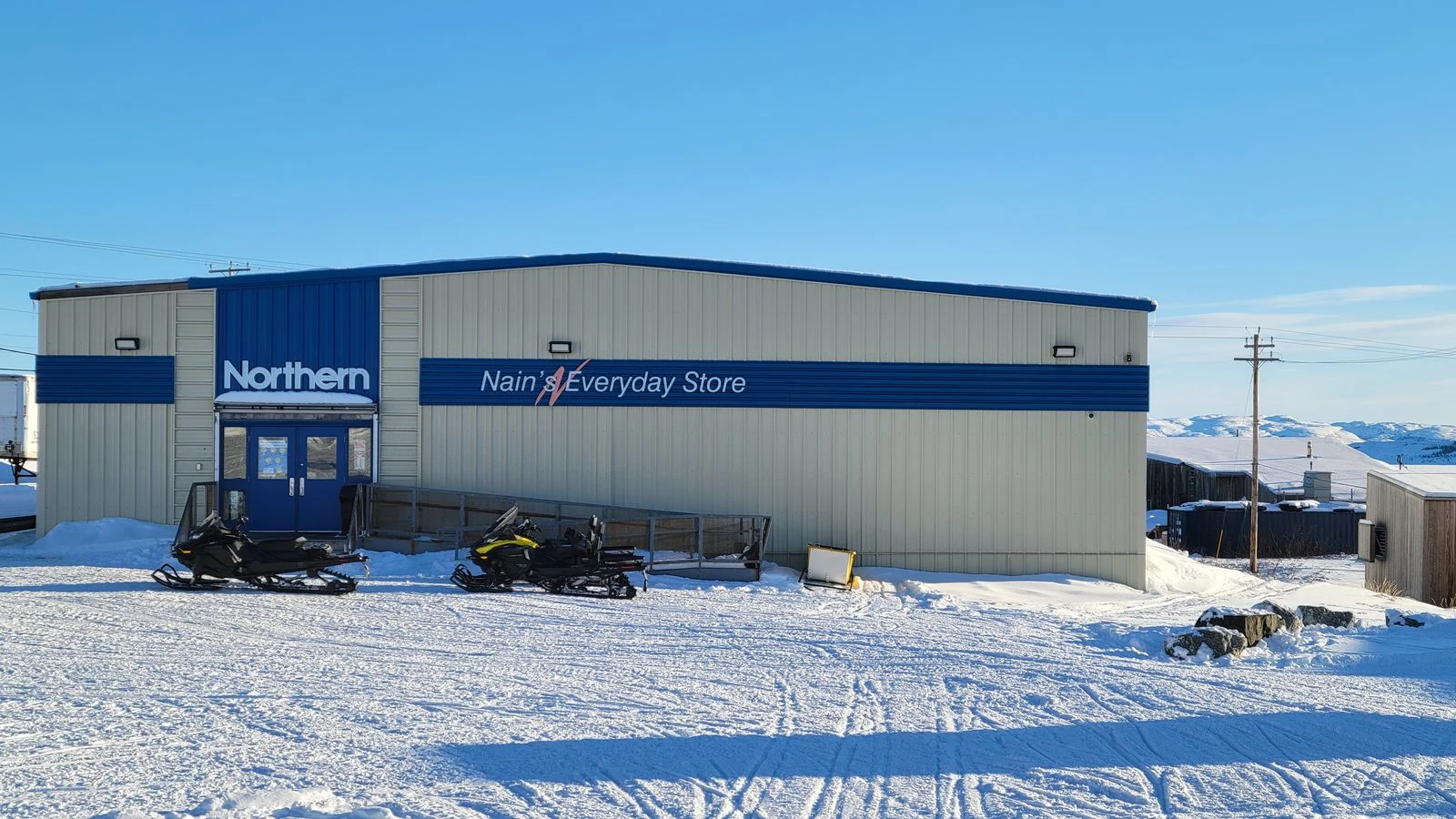
Maplestime will provide updates from Nutrition North Reform as announcements are made.
Have a tip about Nutrition North Reform? Email [email protected]
Have a correction? Email [email protected]
A program created in 2011, a reform promised in 2015, and milk still costs $10.99 in St. Theresa Point. How many more Aprils should northern families wait for a fix? Tell us in the comments. And share this with every Canadian who thinks $10.99 for milk is a number from another country.
Enjoying Maplestime? Support independent Canadian journalism — no paywall, no corporate owners.